 Vollans
“We encourage households with solar panels to make the most of their clean energy and save on bills by using their solar power during the day – whether it’s charging electric vehicles, doing laundry or running dishwashers,”
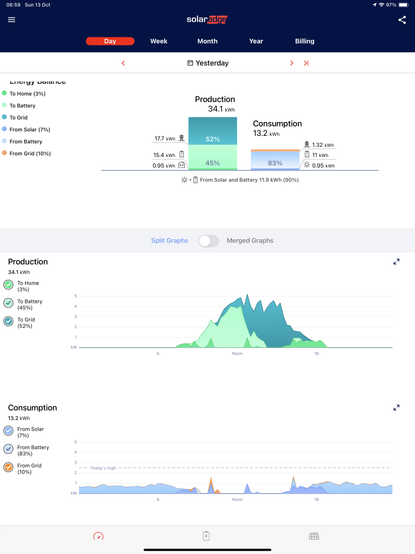
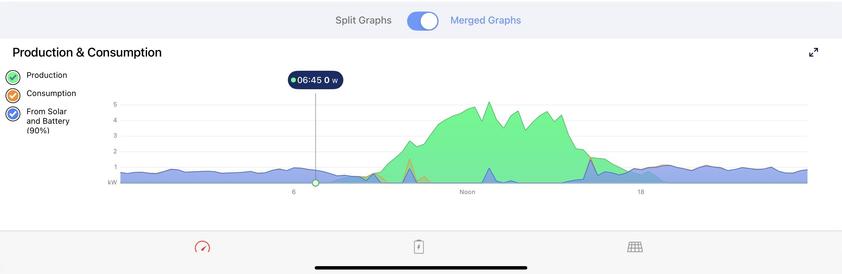
Yeah, there’s a slight problem with that. The people who are most likely to have generously sized home solar systems are also the ones that are likely to be most engaged, and have already bought energy efficient washing machines, dishwashers, air con, batteries etc after the solar to massively reduce their load. We’ve got to that point - without turning the house into an ice box or hot room in Spring we don’t really have any load to force on, and we’re net exporting (rather than charging the battery) by about 10-11am in the morning.
And for most people who have electric vehicles during the daytime they’re going to be parked at work, not home, as that’s the point of them having the car!
More efforts need to be made on network or suburb level storage. Putting storage close to homes that suburbs can dip into at night would take major pressure off the grid at large, reduce network losses and enable homes that can’t afford solar to benefit from the abundance of clean free electric.
https://www.theguardian.com/australia-news/2024/oct/12/australian-states-too-much-rooftop-solar