@mekkaokereke @obviousdwest @Shebeencounter
In #Germany, the proletariat is kept away from universities in a different manner.
While this varies by region, many of the German states channel kids into three different school types after fourth grade (around the age of 10 or so):
- Gymnasium (grammar school): Students who complete the Gymnasium get the "Abitur", which is the primary entrance requirement for universities. (Some particularly popular fields of study such as Law or Medicine require high grade averages, but less popular ones like Physics do not)
- Realschule: Children who go there tend to go to trade schools after finishing Realschule. This doesn't have as much negative status in Germany in the USA - the German trade school system is top notch. Still, university degrees have a higher social status.
- Hauptschule: Students who finish Hauptschule might be able to get some trade apprenticeship, but this school type has increasingly become the dumping ground for children the German education system has given up on.
So how do children get into one of these three school types? Well, their grades in 4th grade matter - but so do the recommendations of their primary teachers. Who might have a whole bunch of prejudices about children from nonwhite, working class, or immigrant backgrounds.
Parents who have an academic degree of their own tend to know what matters and how to ensure that their children get into the Gymnasium, but parents from poorer backgrounds often do not. It _is_ possible to get the Abitur later on, but that requires extra effort and more years of study, and many do not bother.
I came from a working class background and was lucky enough to get into the Gymnasium, study, and even get a PhD. But many other children in Germany from disadvantaged backgrounds aren't so lucky.
 mekka okereke

 Sheeb
Sheeb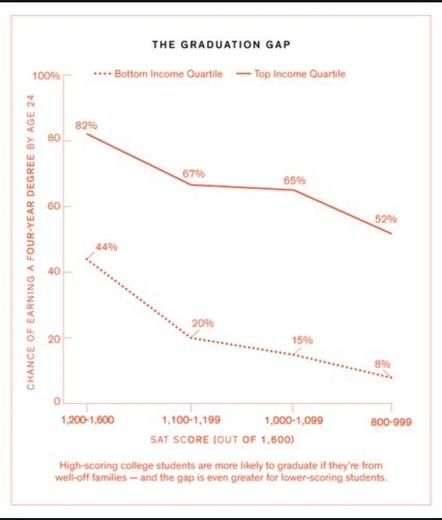
 Darrin West
 Jürgen Hubert
 Grassroots Joe
 BenCgva
 Alexandre Morin