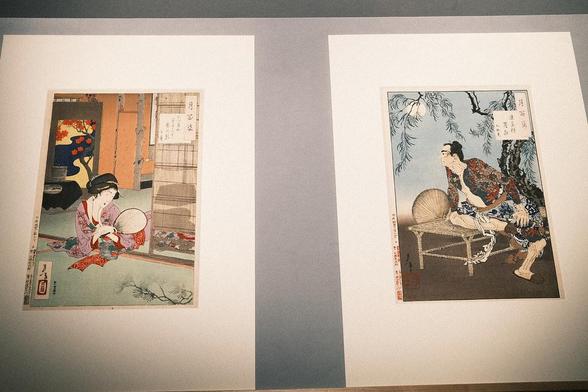
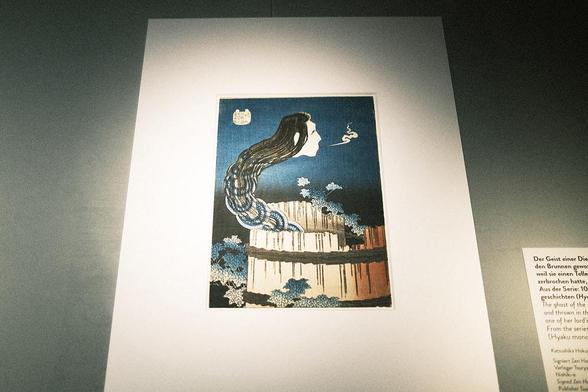
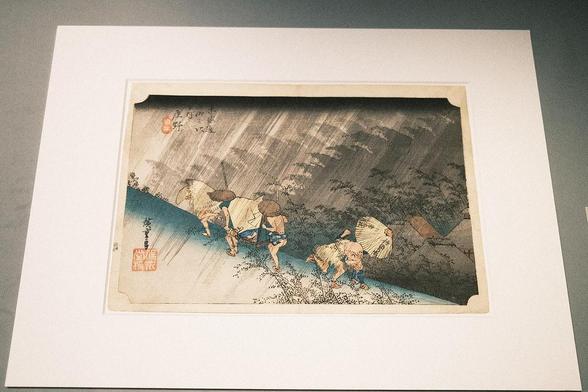
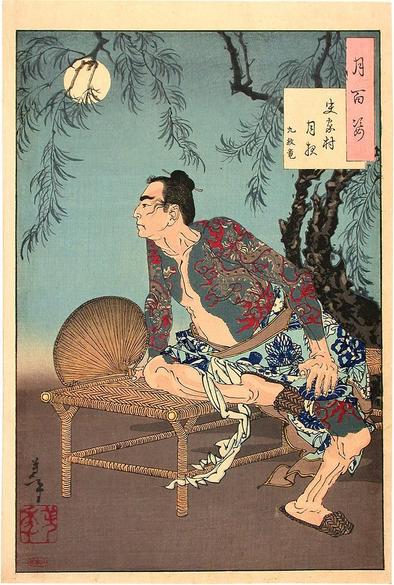
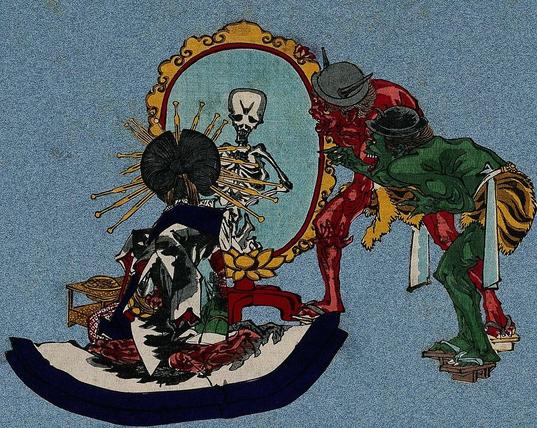
I've put together a brief overview of the history of #ukiyoe, along with some of my favorite photos of ukiyo-e prints I've taken over the years:

🌍 https://www.fabriziomusacchio.com/weekend_stories/told/2024-08-09-ukiyo_e/
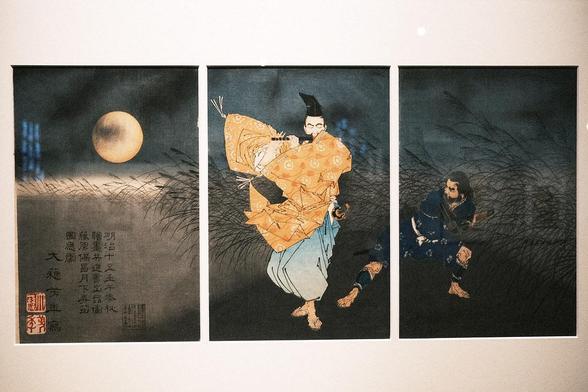
#JapaneseArt #musuem

Ukiyo-e: Pictures of the floating world

Ukiyo-e (浮世絵) is a genre of Japanese art that flourished from the 17th to the 19th century. The term ‘ukiyo-e’ translates to ‘pictures of the floating world’, capturing scenes of urban life, landscapes, and folklore. This art form is renowned for its woodblock prints and paintings, which have significantly influenced the Japanese art scene as well as global art movements, particularly Impressionism. In this post, I’d like to share some of my favorite ukiyo-e prints, as well as a brief overview of the art form’s history and cultural significance.
Fabrizio Musacchio

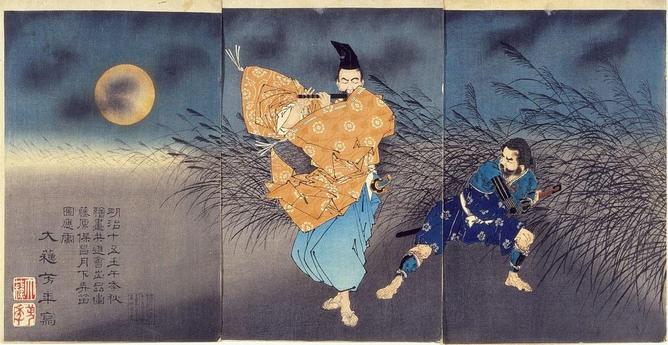
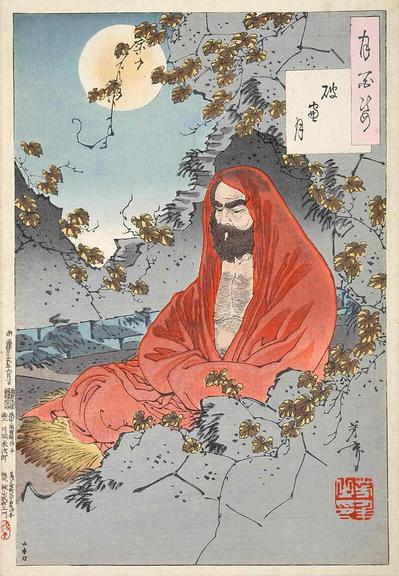
Tsukioka #Yoshitoshi (1839-1892) is celebrated as the last great master of #ukiyoe. His works are characterized by a unique blend of traditional Japanese aesthetics and modern influences, reflecting the tumultuous period of the #MeijiRestoration. Yoshitoshi’s prints are known for their vivid colors, dynamic compositions, and expressive depictions of historical and supernatural subjects.

🌍 https://www.fabriziomusacchio.com/weekend_stories/told/2024-08-17-yoshitoshi/

#JapaneseArt

Tsukioka Yoshitoshi: The last great master of ukiyo-e

Tsukioka Yoshitoshi (1839-1892) is celebrated as the last great master of ukiyo-e. His works are characterized by a unique blend of traditional Japanese aesthetics and modern influences, reflecting the tumultuous period of the Meiji Restoration. Yoshitoshi’s prints are known for their vivid colors, dynamic compositions, and expressive depictions of historical and supernatural subjects. In this post, we will explore the life and art of this influential artist, and examine some of his most famous works.

Fabrizio Musacchio