
This is an IOCREST-brand USB to RS-232 serial adapter, which I bought from a seller on AliExpress. It arrived in exactly the same time as an identical eBay listing said it would, for literally half the price - if eBay is still your default go-to for weird stuff like this, keep in mind dropshippers are probably fleecing you.

This adapter contains an FTDI chipset, not the much cheaper CH340, and it's time to see if this is the reason I couldn't get serial mice working natively on Windows 10.
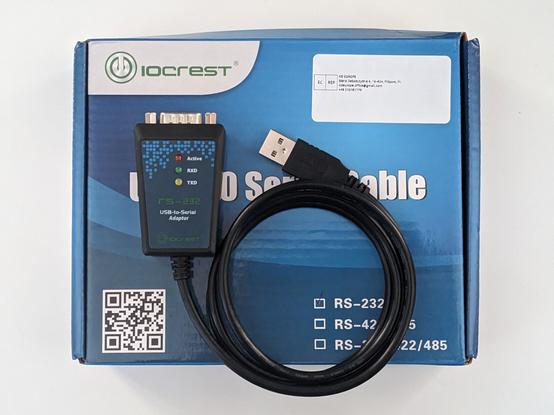
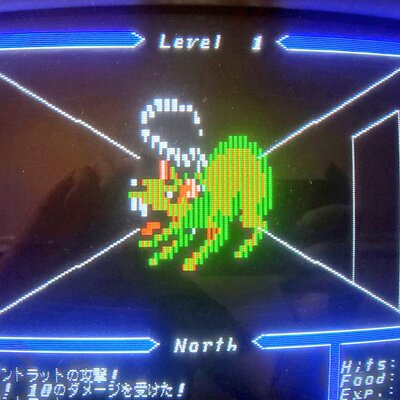
And, yep - with Windows 10 told to enable serial mouse detection on boot, all you need is the right kind of adapter installed and a serial mouse plugged in when you boot up. Here's the FTDI-derived one working with my Microsoft Home serial mouse - you can see the adapter blinking to say it's receiving data when I move it around. #retrocomputing

So, question: Can I get some suggestions for software / tips and tricks for recording and reviewing raw data coming off a serial port? I'm a very long way from trying to reverse-engineer a novel protocol myself, but that's the eventual goal, and the next step I'd like to take is compare what I'm seeing coming out of a serial mouse with documentation online to make sure I really understand what's going on and how all this works.

Uh... #retrocomputing #reverseengineering ? boosts welcome.

@timixretroplays https://github.com/bferguson3/xdisk3/blob/master/conversion.md

This may or may not help. It's a writeup involving changing old M$ serial code to *NIX standard visavis my z80 based PC88

xdisk3/conversion.md at master · bferguson3/xdisk3

xdisk2 for *nix. (PC88 disk read/write tool). Contribute to bferguson3/xdisk3 development by creating an account on GitHub.

GitHub