💜THE IRISES OF ŌTA MARSH💜

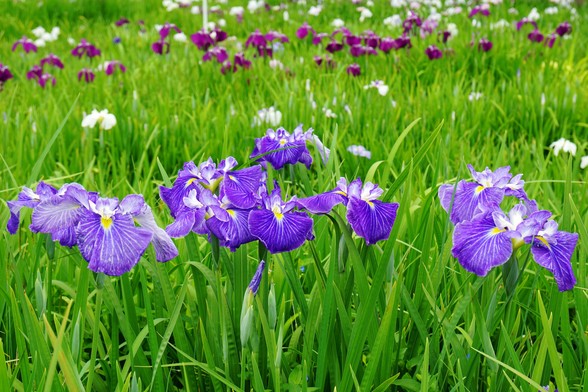
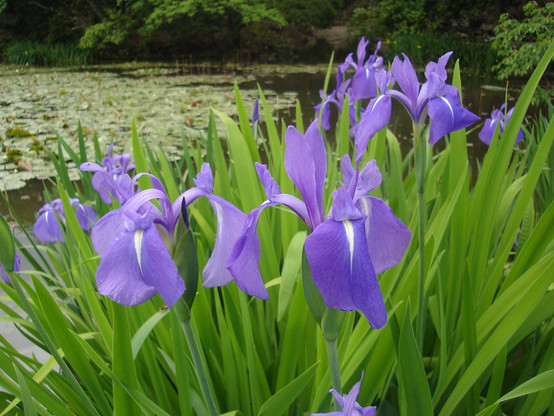
Ōta-no-sawa (大田ノ沢) was immortalized in a poem by Fujiwara-no-Shunzei (藤原俊成 1114-1204)...

mountain of gods
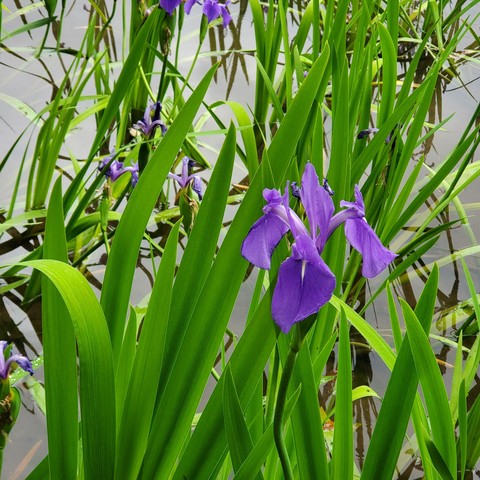
irises of Ōta marsh
people's deepest wishes
can be seen in their colour
神山や大田ノ沢のかきつばたふかきたのみはいろにみゆらむ

#Kyoto #京都 #iris #OtaMarsh #Otajinja #OtaShrine #大田神社 #大田ノ沢 #アヤメ #菖蒲 #藤原俊成
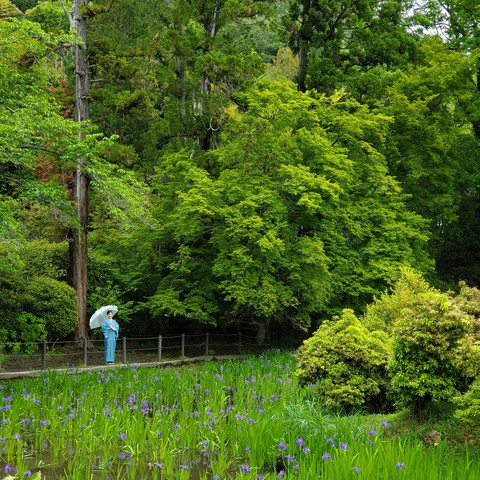
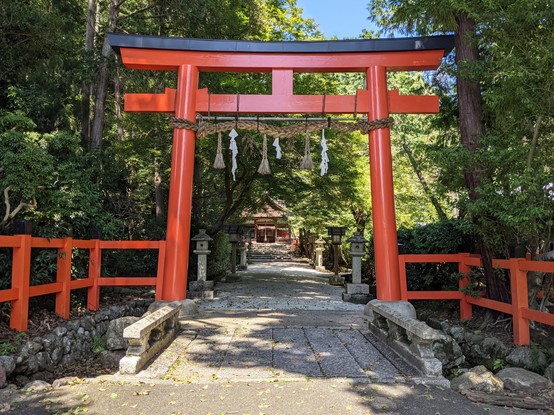
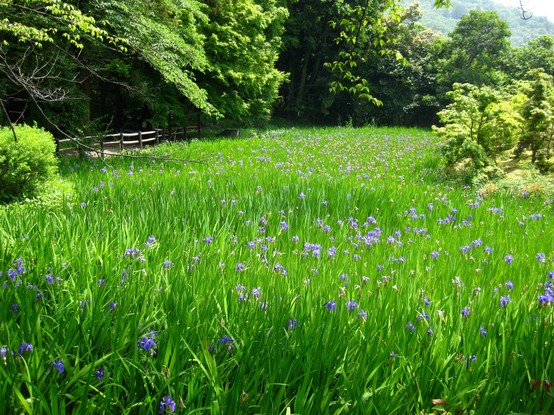
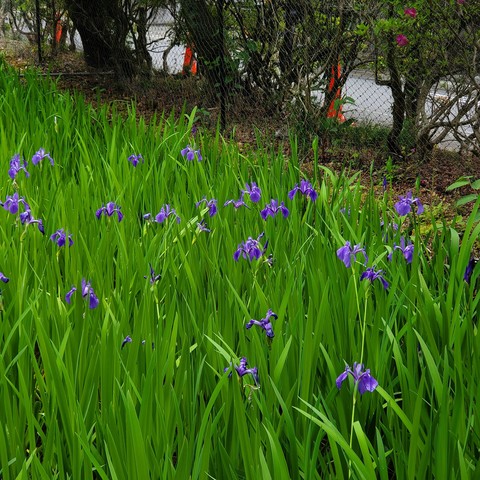
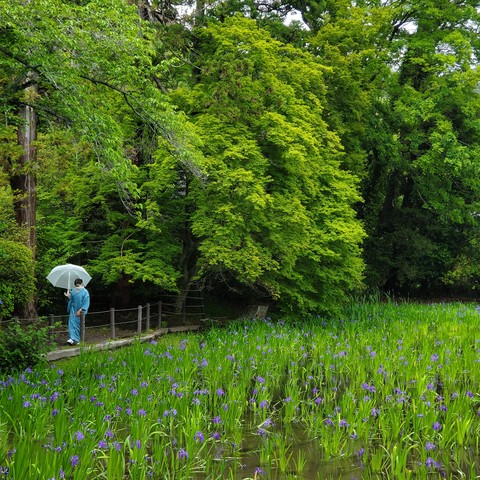
Ōta-no-sawa (大田ノ沢 'Ōta Marsh') is the last piece of a once vast swamp that was slowly reclaimed by the Kamo Clan (賀茂氏) for farming land long before Kyōto existed.

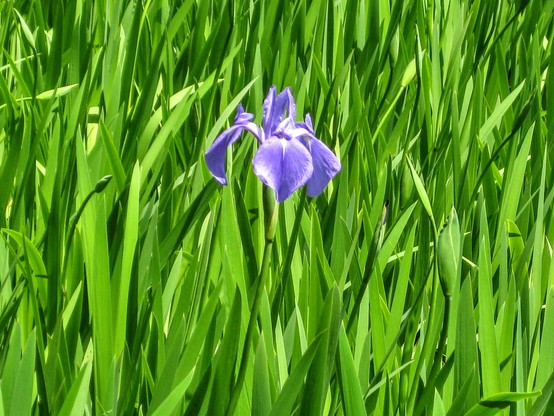
Since Heian times, though likely earlier, the pond has been famed for its irises (カキツバタ).

#Kyoto #Japan #大田ノ沢 #OtaMarsh #Otajinja #大田神社 #irises #菖蒲 #京都 #GoldenWeek

Irises have a special meaning at this time of year.

It was believed the plants could ward away evil and cleanse impurities, and so it was common to see them hung from the eaves of houses.

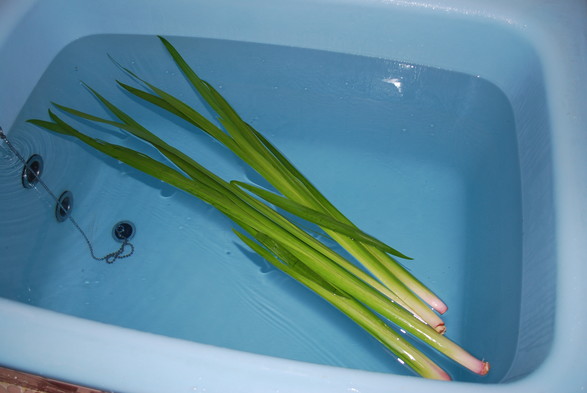
On May 5th people add iris leaves to their baths (菖蒲湯 'shōbu-yu') to fortify their health.

#こどもの日 #端午の節句 #May5th #Kyoto #京都 #Japan #irises #菖蒲

Around 25,000 'rabbit-ear irises' (キツバタ) grow in Ōta-jinja's (大田神社) swampy pond, blooming from late April to mid May. In 1939 the area was designated a natural monument.

The 'floating isle' that sits at the pond's centre may well have been part of the original landscape.

#OtaMarsh #大田神社 #Otajinja #Kyoto #京都 #Japan #irises

When the blooms have died the leaves are cut and gathered into bundles, distributed for use in 'shōbu-yu' (菖蒲湯).

It is custom to take sweet-flag (iris leaf) baths for the 5th day of the 5th month celebrations (now known as "Kodomo-no-hi こどもの日 or "Children's Day").

#Japan #こどもの日 #ChildrensDay #Kyoto #京都 #irises #菖蒲

🔍KNOW YOUR IRISES🤔

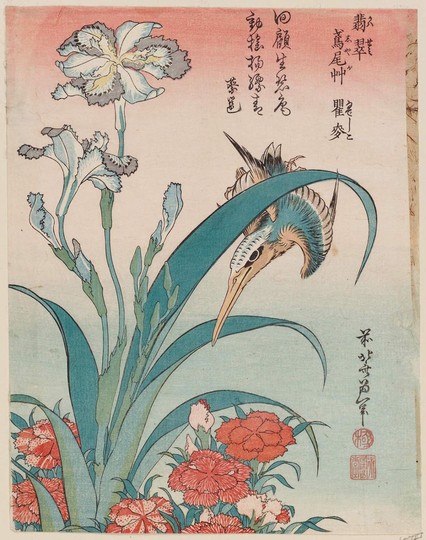
Selective breeding of irises in Japan began in earnest from the 1800s. Matsudaira Sadatomo (松平定朝 1773-1856), author of 'Hanashōbu baiyōroku' (花菖蒲培養録), is credited with creating 300 new 'types'!
There are now around 2000 varieties of Japanese iris.

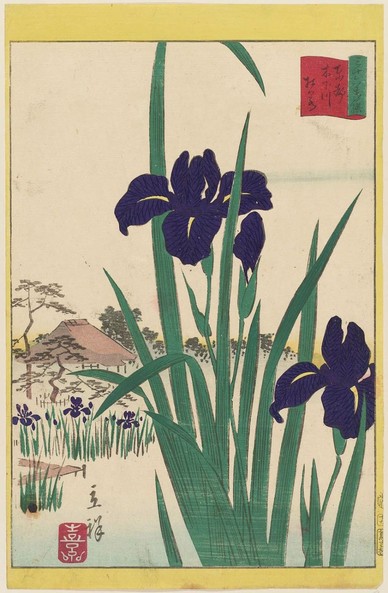
Matsudaira's hard work led to a boom in the popularity of irises, and countless manmade water gardens were created in Edo.

#irises #菖蒲 #Japan

There are too many varieties of irises to mention, but these are the most common types found in Kyōto...

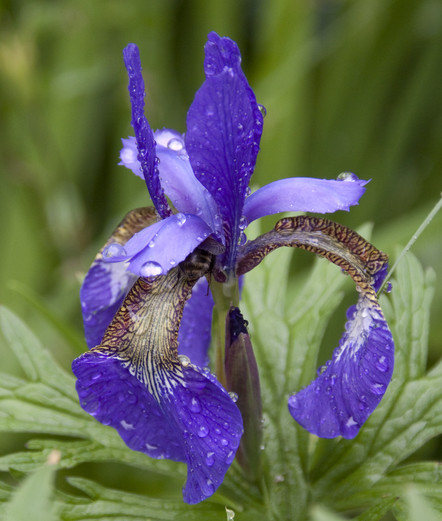
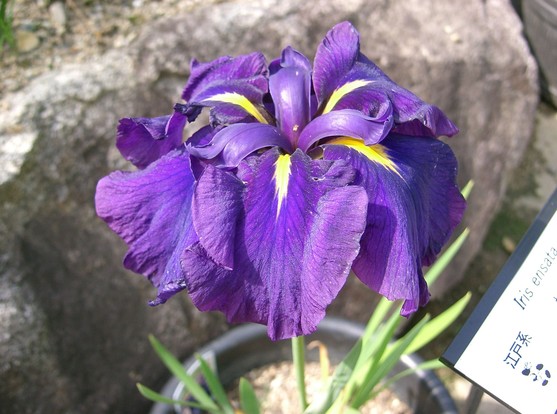
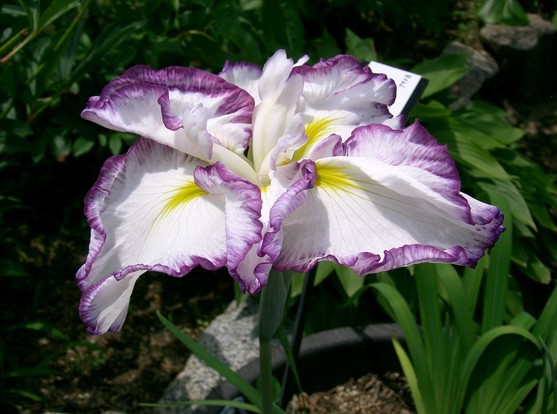
🎏Ayame (菖蒲/花菖蒲-mesh pattern petal base)

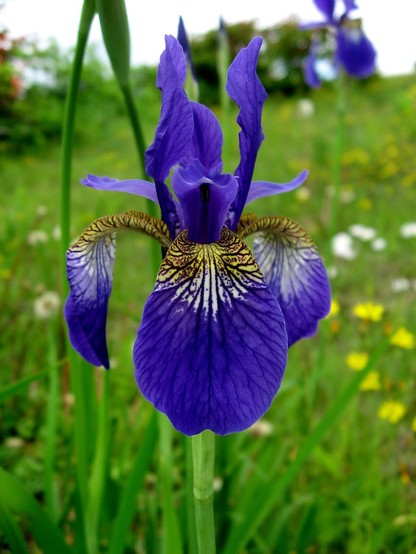
🎏Kakitsubata (杜若-white streaks petal base)

🎏Hanashōbu (花菖蒲-yellow streaks)

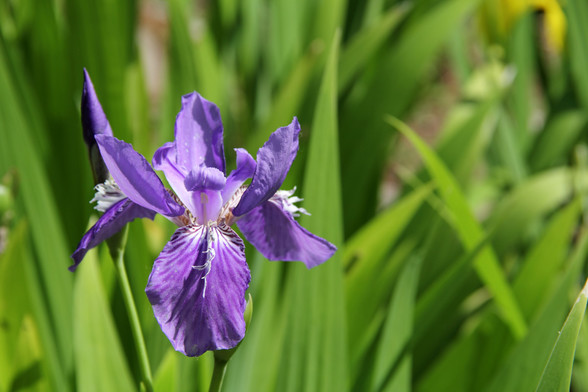
🎏Ichihatsu (一初-distinctive petal patterning)

#iris #irises #菖蒲

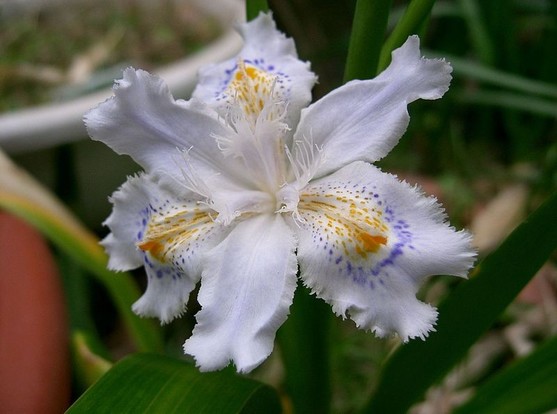
🎏Shaga (シャガ 'butterfly flower'/'fringed iris') is one of the most common irises to be found, blooming in shade all over the city.

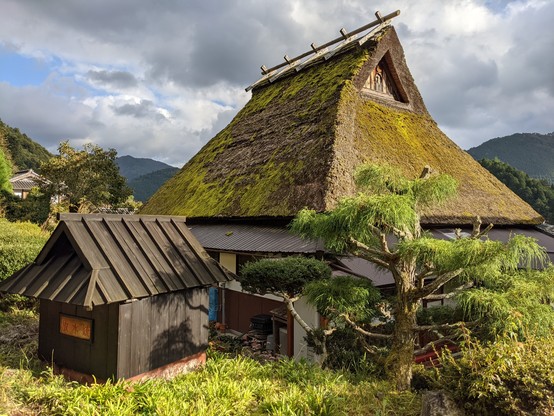
📢Ichihatsu, in particular, are drought resistant, and were often planted on roofs to tighten the thatch and strengthen them from strong winds.

In the language of flowers, 'hanakotoba' (花言葉), irises symbolise 'glad tidings', 'loyalty' and a 'noble heart'. It's common to gift irises for good luck.