 Bellingcat
In recent years the profile and credibility of open source research has grown. It seems everybody’s doing it – but not necessarily well. Learning to recognise these common mistakes will allow you to judge the quality of open source research: https://www.bellingcat.com/resources/2024/04/25/oshit-seven-deadly-sins-of-bad-open-source-research/?utm_source=mstdn

This example, highlighted by Dr. Manisha Ganguly, shows an account misidentifying clouds as missile craters. The heightened tensions surrounding conflicts can often lead accounts to publish quickly without double checking.

A common mistake is to add large watermarks to footage, which complicates attempts to verify or geolocate it. Habits like these make open source researchers’ work much more difficult.
Here’s an example of what not to do:
Here’s an example of what not to do:

Another unhelpful habit is to remove links to the original source. This makes it harder to know when footage was first posted and by whom – potentially very valuable information.
As @404mediaco reports, ‘OSINT’ accounts don’t always produce helpful content. This is why we must remember the central point of open source research – think critically. https://www.404media.co/twitter-verified-osint-accounts-are-destroying-the-israel-palestine-information-ecosystem/
‘Verified’ OSINT Accounts Are Destroying the Israel-Palestine Information Ecosystem
The problem with profit and engagement driven misinformation from pseudo-OSINT accounts during the Israel-Palestine conflict is "unprecedented." One expert said after Musk's recent changes "all hell broke loose."
Everybody makes mistakes. But a good open source researcher is open about making them – they correct them quickly and vow to do better next time.
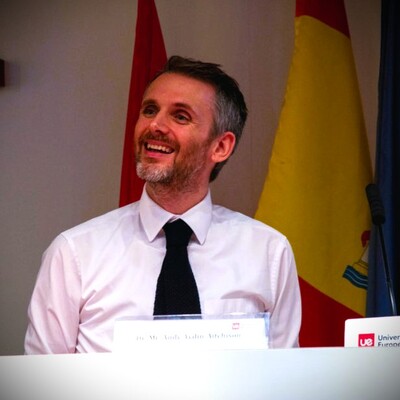 Andy Aydın-Aitchison
If you’re interested in getting into open source research, have a look at our website for useful free guides on how to use public access tools: https://www.bellingcat.com/category/resources/
You can also join our public community on Discord, where 28,000 others are there to support and help you along on your research journey: https://discord.gg/bellingcat
Bellingcat is a non-profit and the ability to carry out our work is dependent on the kind support of individual donors. If you would like to support our work, you can do so here: https://www.bellingcat.com/donate/
Donate - bellingcat
Your donation to Bellingcat is a direct contribution to our research. With your support, we will continue to publish groundbreaking investigations on events of public interest worldwide to create impact and inspire change. Please choose one of the two nonprofit Bellingcat entities you’d like to support – they’re all part of our global investigations: