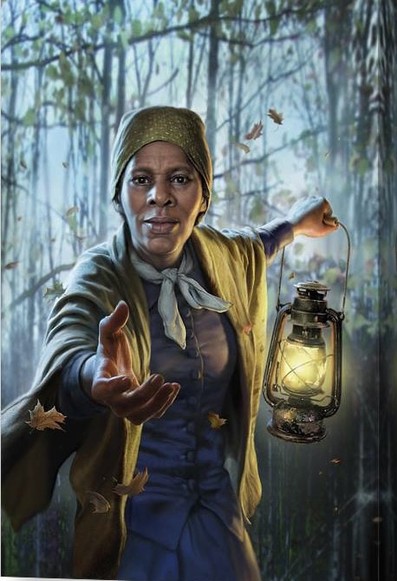
They referred to her as “Moses” for guiding the enslaved from the South to freedom in the North. But, Harriet Tubman’s resistance to slavery extended beyond her role in the Underground Railroad. As a Union Army soldier and spy during the Civil War, she made history by becoming the first woman to lead an armed U.S. military mission.

1/

Image: “Harriet Tubman,” by Mark Fredrickson

Blog: https://open.substack.com/pub/400years/p/will-we-believe-our-lying-eyes?r=1pv9e3&utm_campaign=post&utm_medium=web

Videos:
https://youtube.com/@400YearsUNLeashed?si=DCP_AUYj-_7PrZWS
https://youtube.com/@BlackBiographics?si=kEV7S1ZL70qlLFCK

#History #BlackMastodon

Will We Believe Our Lying Eyes?

The Black Soldier Who Fought to Stay A Slave

400 Years

In June 1863, Harriet Tubman joined Union troops in a covert nighttime assault on the banks of the Combahee River. It is known as the legendary Combahee Ferry Raid. This is that story.

In the 1850s, Harriet Tubman (born Araminta Ross) was primarily involved with the Underground Railroad. However, her dedication to the abolitionist cause extended far beyond this effort.

2/

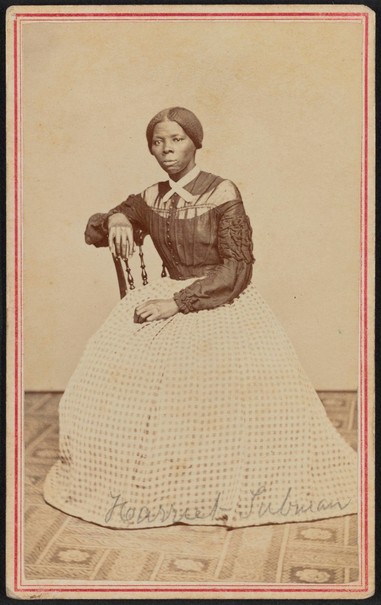
Image: Portrait of Tubman as she would have looked around the time of the Combahee Ferry Raid,.

As the Civil War erupted in 1861, Tubman collaborated with fellow abolitionists, making her way south to support those seeking refuge behind Union lines. In 1862, Tubman left her Auburn, New York home and, on the invitation of Massachusetts Governor John Andrew, journeyed to the Union-controlled Hilton Head region in South Carolina, which the Union Army had secured early in the war.

3/

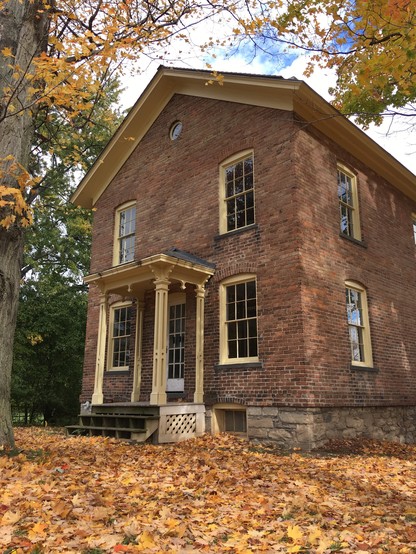
Image: Harriet Tubman's brick house in Auburn, NY.

She subsequently arrived in Beaufort, South Carolina, after the U.S. Navy’s victory at the Battle of Port Royal, where they captured Port Royal, Beaufort, and the Sea Islands. Swiftly acclimating to her environment, Tubman took on roles at various Union camps across the state and actively offered her services as a spy.

4/

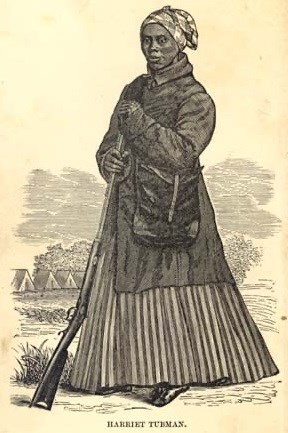
Image: Harriet Tubman as a scout during the Civil War. "Scenes in the Life of Harriet Tubman" by Sarah H. Bradford (Auburn, NY: W.J. Moses, 1869).

During this time, as planters retreated, they left behind tens of thousands of “contrabands”—previously enslaved individuals who had escaped their Confederate captors during the Civil War. Recognizing the need, the federal government took responsibility for their care. Leading a team of scouts, Tubman’s intelligence gathering played a crucial role in some of the war’s most audacious operations.

5/

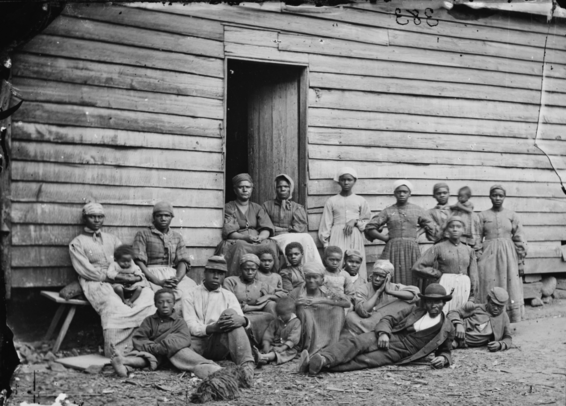
Image: Liberated Black Americans outside Foller’s house in Cumberland Landing, VA in 1862.

By the time the Emancipation Proclamation came into effect on January 1, 1863, Tubman had already established herself as a pivotal volunteer for the Union Army in SC, all while being recognized as a leading abolitionist back in Boston. Over the next months, many Northerners descended on Beaufort to participate in “The Port Royal Experiment” — the most extensive social experiment of its era in U.S. history.

6/

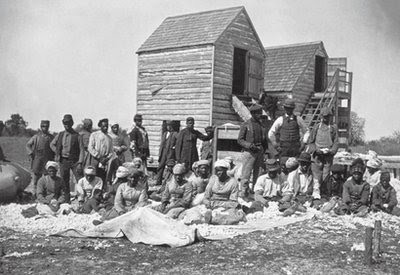
Image: Escaped slaves at the plantation of Confederate General Thomas Drayton.

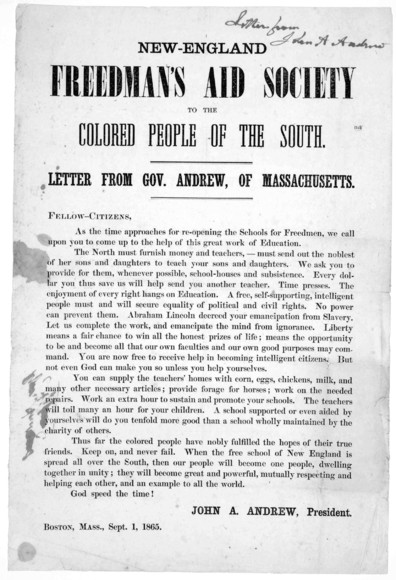
These volunteers managed labor on Sea Island cotton farms, provided education to the refugees, and managed stores. Both the Massachusetts governor and The New England Freedmen’s Aid Society dispatched volunteers.

But, Harriet Tubman stood out.

7/

Image: New England Freedman's aid society to the colored people of the South. Letter from Gov. Andrew, of Massachusetts. Fellow-Citizens ... Boston, Mass. Sept. 1, 1865

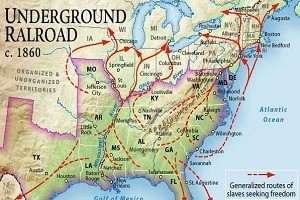
She had dedicated ten years as an Underground Railroad conductor, freeing herself from slavery and then risking her life multiple times, making nearly 13 journeys to rescue about 70 kin and community members, and guiding another 60 to 70 Black Americans. Venturing into South Carolina, a slave stronghold deep in the South, Tubman braved the very “Belly of the Beast.”

8/

Image: Routes of the Underground Railroad

On this journey, she liberated those she didn’t personally know and navigated a language barrier with the Gullah Geechee-speaking Black community, all while striving to abolish slavery.

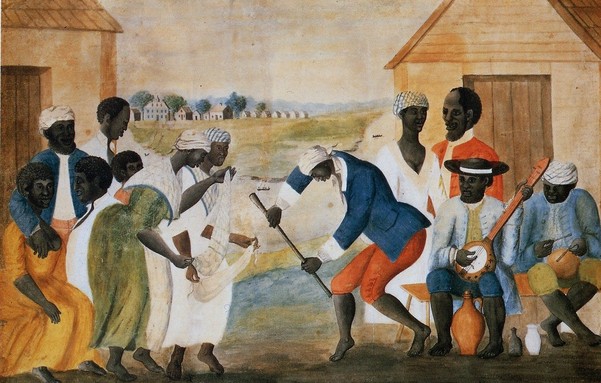
For months, Tubman served as a laundress and nurse, even starting a wash house, until she received orders to establish a spy ring.

9/

Image: The "Old Plantation" (1790) shows the cultural retention of Gullah people showing banjo and broom hopping

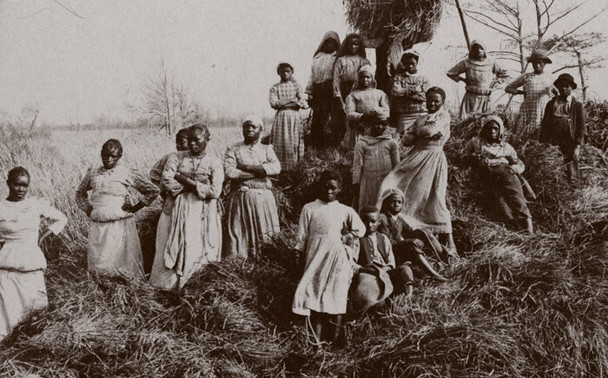
Having demonstrated her skill in discreetly collecting information, building alliances, and evading capture during her leadership of the Underground Railroad, Tubman now took charge of a covert military operation in South Carolina’s low country. Her primary goal? To dismantle the institution of slavery and, in the process, decisively defeat the Confederacy.

10/

Image: Source: A rice raft with Gullah Geechees near Georgetown, S.C., in 1904.

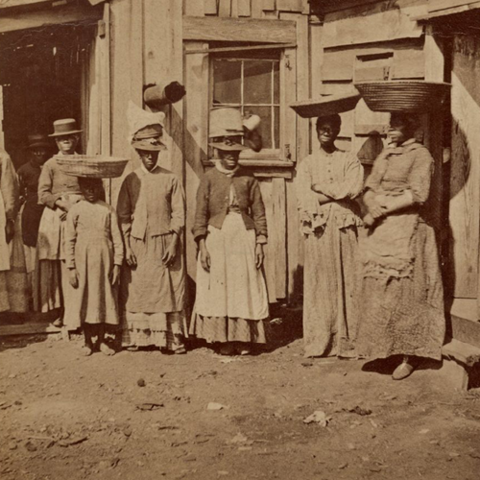
In Beaufort, Tubman took it upon herself to meet all those escaping from the Confederacy. Through her interactions and interviews with these refugees, she gained invaluable intelligence, often more than anyone else. She enlisted the expertise of local scouts, including Peter Barns, Motte Blake, Sandy Salters, Solomon Gregory, Isaac Hayward, Gabriel Cohen, and George Chrisholm.

11/

Image: This photograph taken in 1870 shows Gullah-Geechee women shopping at a market.

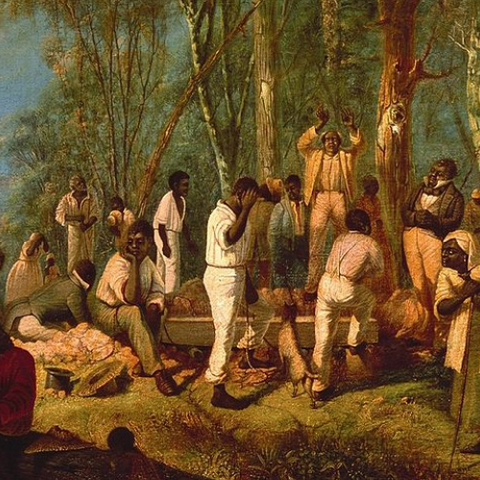
She also collaborated with pilots familiar with local waterways, namely Samuel Heyward and Charles Simmons, who had previously served as guides up the Combahee River.

12/

Image: A depiction of Gullah-Geechee people burying their dead

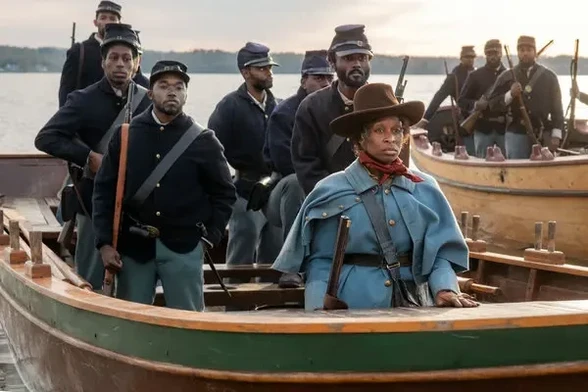
In Kasi Lemmons’s 2019 film, “Harriet,” the ending scene showcases Harriet Tubman passionately speaking about the enduring threat of slavery, symbolized as a “snake”, to Black Americans. Despite their freedom, the menace of slavery persisted. She rallied Black soldiers around the cause of liberating those still under the yoke of bondage.

Image: Scene of the Raid in the film, Harriet.

13/

As the scene unfolds, enslaved workers labor in the rice fields along the Combahee River, providing sustenance for the Confederate populace and troops during the Civil War. The question she posed: Were they prepared to confront and end this evil? The time had come to confront the menace head on.

14/

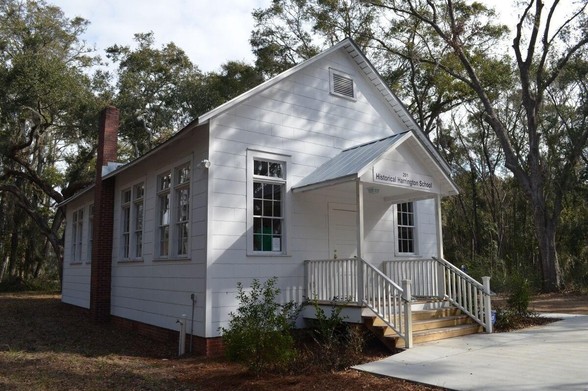
Image: The Historic Harrington School was built in the 1920s and served as the main educational structure for three Gullah-Geechee communities on Georgia’s St. Simons Island.

Kate Clifford Larson, the historian and author of “Bound for the Promised Land: Harriet Tubman, Portrait of an American Hero,” has remarked, “Tubman was both fearless and courageous. She possessed a unique sensibility, earning the trust of the Black community. The Union officers recognized that they didn’t have the same rapport with the locals, but Tubman did.”

15/

Image: https://youtu.be/H6MJBDXH8d0?si=ev-50ygt27LKT5Oi

The Real Harriet Tubman with Dr. Kate Clifford Larson

YouTube

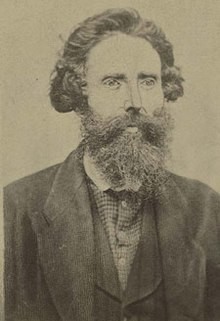
Tubman partnered with Colonel James Montgomery, an abolitionist who commanded the Second South Carolina Volunteers, a Black regiment. Together, the two planned a raid along the Combahee River, to rescue enslaved people, recruit freed men into the Union Army and obliterate some of the wealthiest rice plantations in the region. Montgomery led a force of approximately 300 men, of which 50 hailed from a Rhode Island Regiment.

16/

Image: Colonel James Montgomery in 1862

Meanwhile, Tubman recruited 8 scouts to help map the region and notify the enslaved about the timing of the raid.

On June 2, 1863, under the cover of night, Montgomery, Harriet Tubman, and their team of spies, scouts, and pilots boarded 3 U.S. Army vessels. The Black soldiers of the 2nd South Carolina Volunteers and white officers from the 3rd Rhode Island Heavy Battery joined them, all setting their sights on St. Helena Sound.

17/

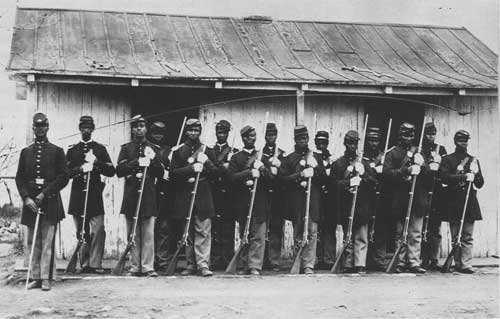
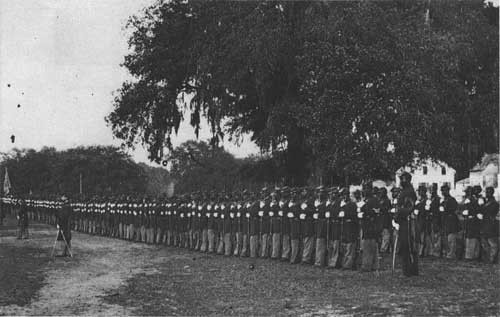
Image: The 1st and 2nd South Carolina volunteers, ca. 1863.

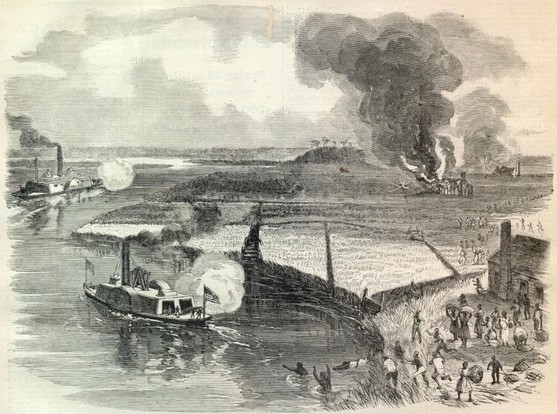
But there was a problem immediately. One vessel ran aground, forcing the team to proceed with just the remaining two. Undeterred, the group navigated the twists and turns of the Combahee River and reached the Combahee Ferry by dawn. There, they moved silently through the creeks and rescued enslaved workers from the rice fields. To expand their rescue efforts, they dispersed and rowed boats to distant plantations, liberating more people.

18/

Image: Illustration of the Raid on Combahee River

After expertly guiding Union boats through mine-riddled waters, Tubman and her team managed to rescue over 700 enslaved people from nearby plantations, all while evading gunfire and artillery from Confederate soldiers and enraged slave owners. By the time Confederate forces grasped the scope of the raid, the damage was extensive.

19/

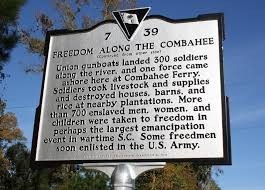
Image: Combahee Raid Historical marker on route 17 south of the Harriet Tubman Bridge that crosses the Combahee River, about 20 miles north of Beaufort, SC.

Hundreds of men, women, and children had fled. Although Confederate forces tried to thwart the escapees, they succeeded in stopping only a single individual by ending her life. Their artillery efforts also proved futile, as they failed to hit any of the Union vessels.

20/

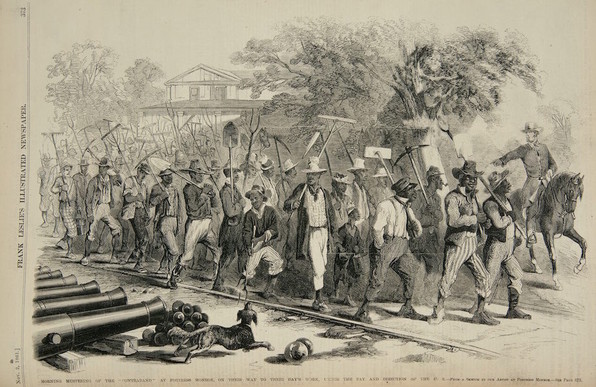
Image: “Morning Mustering of the ‘Contraband’ at Fortress Monroe, on Their Way to Their Day’s Work, under the Pay and Direction of the U.S.—from a Sketch by Our Artist at Fortress Monroe.1861.

Tubman had gained vital information about the location of rebel torpedoes planted along the river from slaves who were willing to trade information for freedom. Because of this information, Tubman was able to steer the Union ships away from any danger. She led the ships to specific spots along the shore where fugitive slaves were hiding and waiting to be rescued.

21/

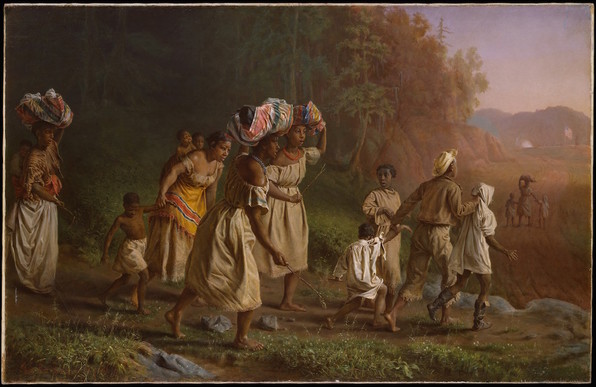
Image: On to Liberty, Theodor Kaufmann, oil painting, 1867.

@Deglassco A large number of Black men in rough clothing are walking along railroad tracks, as a Confederate soldier on horseback signals them (futilely) to stop.

@Deglassco Pic #1 A dozen Black men in uniform and carrying rifles are standing in front of a wooden building.

Pic #2 As many as a hundred or more Black men are lined up shoulder to shoulder in dress uniform and holding their rifles.

@Deglassco Sepia-tone photograph of a white man in a suit with curly hair and a thick long beard.
@Deglassco Two boats are filled with Black soldiers standing ready. In the prow of the leading boat a Black woman in a large-brimmed (cowboy?) hat looks ahead.
@Deglassco She must have been one heck of a natural force! Like a bolt of lightning in a bottle! One of America's best heroes/frontier women with the grit and inner strength few beheld. My heavens, what a triumph.

@Deglassco A letter calling on Black citizens to support and aid the establishing and ongoing work of schools for freed Black people through donations of food, supplies and time.

(Exact text is too long for alt-txt)

@Deglassco

Harriet Tubman is one of my all-time favorite heroes. She was an amazing woman.

@Deglassco
Bust of Harriet Tubman outside her church in St. Catharines Ontario Canada
@Deglassco Sepia-toned photograph of a Black woman on a nice shirt and hoop dress, seated on a chair, looking at the camera.
@Deglassco A Black woman with her head wrapped in a kerchief and an open coat stands in front of a darkened forest, her hand outreached and beckoning.
@Deglassco Thank you for these informative posts. I love reading them.
@KeenaM and thank you for being open to the information.
@Deglassco The Cumbahee Raid. She led 2 gunboats in June 1863 and freed 700 slaves.
@Deglassco Another to remember is Josiah Henson. His story is very complex.
@gmoke indeed!
@Deglassco Read his autobiography (at least one of them) decades ago and recently found this article about him in The Atlantic:
https://www.theatlantic.com/magazine/archive/2023/10/josiah-henson-uncle-tom-harriet-beecher-stowe/675122/
The Man Who Became Uncle Tom

Harriet Beecher Stowe said that Josiah Henson’s life had inspired her most famous character. But Henson longed to be recognized by his own name, and for his own achievements.

The Atlantic
@gmoke thank you for the resource. Reading it now.

@Deglassco My pleasure. I gave my copy to a young man who is Afro-American and shares the same first name but with a different spelling.

Josiah Henson should be much better known.

@Deglassco She was a legit badass.