Larry Lessig should really stop speaking to the press. He routinely says things as bafflingly ridiculous as this.
https://www.newyorker.com/magazine/2023/10/09/they-studied-dishonesty-was-their-work-a-lie “Trust me” is one of the biggest red flags you can ever utter.
All these Ariely stories remind me of the Innovator’s Dilemma guy, Clayton Christensen. He has his whole story about milkshakes, doing a job for truckers that has been told and retold in varying watts, and doesn’t seem to be based on reality. Nobody’s ever called him out for it. All of these behavioralists who consult seem to me to be myth makers.
Completely unrelated, I used to work alongside several pathological liars (either 2 or 4, depending on definitions; all 4 were liars), and you get to know the tells really really well. No story is ever told the same way twice even to the same person. When questioned, the teller comes up with an entirely different explanation instead of ever admitting the thing didn’t happen.
Listen, I was once friends with Mike Daisey. When shit came out, I was not “No, despite all evidence, Mike is absolutely an honest person,” because, you know, he was not. (In fact, when he started talking about Chinese manufacturing, I had a distinct whiff of ordure.)
One of the most remarkable things to me about all these studies that turn out to have misused data, etc., is that most researchers apparently keep incredibly poor records; there's no audit history for changes; Excel is somehow the gold standard. I guess that's true in business, but I somehow thought there would be university, journal, and professional standards that required very specific one-way archiving of data, etc.
@glennf From my experience in industry, keeping intermediate copies of data is prohibitively expensive, even if you only keep one copy per day.
@JustinDerrick I don't think most research data in social sciences is bulky or changes day to day!
 Glenn Fleishman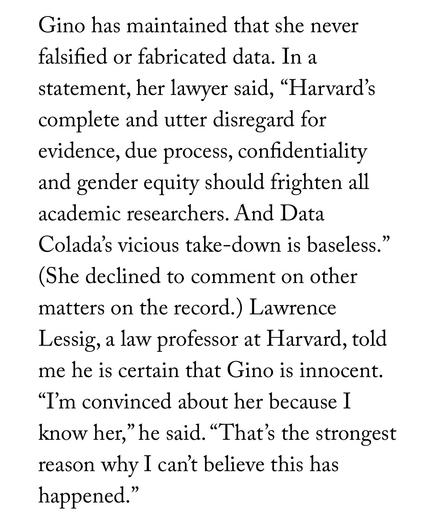
 Justin Derrick
 Alexander The 1st