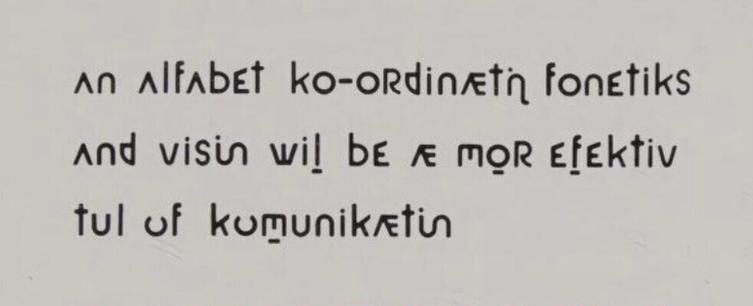
๐‘‘๐‘ฉ๐‘›๐‘ฑ ๐‘ฒ ๐‘ค๐‘ป๐‘ฏ๐‘‘ ๐‘ž๐‘จ๐‘‘ ๐‘ข๐‘ณ๐‘ฏ ๐‘ ๐‘ž ยท๐‘š๐‘ฌ๐‘ฃ๐‘ฌ๐‘• ๐‘•๐‘’๐‘ต๐‘ค, ยท๐‘ฃ๐‘ป๐‘š๐‘ผ๐‘‘ ๐‘š๐‘ฒ๐‘ผ, ๐‘›๐‘ฆ๐‘Ÿ๐‘ฒ๐‘ฏ๐‘› ๐‘ฉ โ€น๐‘“๐‘ฉ๐‘ฏ๐‘ง๐‘‘๐‘ฆ๐‘’โ€บ ๐‘จ๐‘ค๐‘“๐‘ฉ๐‘š๐‘ง๐‘‘ ๐‘“ ๐‘ฆ๐‘™๐‘œ๐‘ค๐‘ฆ๐‘– ๐‘ข๐‘ฆ๐‘ž ๐‘•๐‘๐‘ง๐‘–๐‘ฉ๐‘ค ๐‘ค๐‘ง๐‘‘๐‘ผ๐‘Ÿ ๐‘“ โ€น๐‘•๐‘ฌ๐‘ฏ๐‘› ๐‘œ๐‘ฎ๐‘ต๐‘๐‘•โ€บ ๐‘ค๐‘ฒ๐‘’ -ed, -en, -ion, -ng ๐‘ฏ -ory. ๐‘ฃ๐‘ฆ๐‘Ÿ โ€น๐‘š๐‘ฑ๐‘•๐‘ฆ๐‘’ ๐‘จ๐‘ค๐‘“๐‘ฉ๐‘š๐‘ง๐‘‘โ€บ ๐‘๐‘ฎ๐‘ฒ๐‘ช๐‘ฎ๐‘ฆ๐‘‘๐‘ฒ๐‘Ÿ๐‘› ๐‘“๐‘ณ๐‘™๐‘’๐‘–๐‘ฉ๐‘ฏ ๐‘ด๐‘๐‘ผ ๐‘ฐ๐‘•๐‘”๐‘ง๐‘‘๐‘ฆ๐‘’๐‘• (๐‘•๐‘ผ๐‘๐‘ฎ๐‘ฒ๐‘Ÿ, ๐‘•๐‘ผ๐‘๐‘ฎ๐‘ฒ๐‘Ÿ), ๐‘“๐‘ฑ๐‘๐‘ผ๐‘ฆ๐‘™ ๐‘›๐‘ฆ๐‘•๐‘‘๐‘ฆ๐‘™๐‘’๐‘‘๐‘ฆ๐‘ ๐‘ค๐‘ง๐‘‘๐‘ผ ๐‘–๐‘ฑ๐‘๐‘• ๐‘‘ ๐‘๐‘ฆ๐‘ ๐‘ซ๐‘ฉ๐‘ค ๐‘ฃ๐‘ธ๐‘ฅ๐‘ฉ๐‘ฏ๐‘ฆ. ๐‘ž ๐‘ฎ๐‘ฆ๐‘Ÿ๐‘ณ๐‘ค๐‘‘ ๐‘ฆ๐‘Ÿ ๐‘’๐‘ฒ๐‘ฏ๐‘› ๐‘ ๐‘“๐‘ณ๐‘ฏ. #bauhaus #HerbertBayer #BasicAlphabet #AlphabetReform #๐‘–๐‘ฑ๐‘๐‘พ๐‘ฏ
Today I learnt that one of the bauhaus school, Herbert Bayer, designed a โ€˜phoneticโ€™ alphabet for English with special letters for โ€˜sound groupsโ€™ like -ed, -en, -ion, -ng, and -ory. His โ€˜Basic Alphabetโ€™ prioritised function over aesthetics (surprise, surprise), favouring distinctive letter shapes to visual harmony. The result is kind of fun. #bauhaus #HerbertBayer #BasicAlphabet #AlphabetReform #neography
@shavian
๐‘š๐‘ฒ ๐‘ž ๐‘ข๐‘ฑ, ๐‘ฒ ๐‘›๐‘ฆ๐‘› ๐‘ฎ๐‘ฐ๐‘› ๐‘ž ๐‘–๐‘ฑ๐‘๐‘ฝ๐‘ฏ.
@Leisureguy ๐‘ข๐‘ง๐‘ค ๐‘›๐‘ณ๐‘ฏ. ๐‘ž๐‘จ๐‘‘ ๐‘ข๐‘ช๐‘Ÿ๐‘ฉ๐‘ฏ๐‘‘ ๐‘ฉ๐‘ฏ ๐‘ฐ๐‘Ÿ๐‘ฆ ๐‘‘๐‘ง๐‘’๐‘•๐‘‘.

@shavian

๐‘ฟ๐‘Ÿ๐‘ฐ๐‘™ Anki ๐‘ฃ๐‘ง๐‘ค๐‘๐‘› ๐‘จ ๐‘ค๐‘ญ๐‘‘.

@shavian I like it but the "zh" sound in "vision" deserves its own letter too
@luna @shavian yeah iy thought that was weird too
@luna Thatโ€™s one of the reasons I put โ€˜phoneticโ€™ in quotation marks.
@shavian what's funny about this sentence to me is that the alphabet shows me that I pronounce "a" (as in "a dog") differently to the writer - he's got "ae" while I'd say "ah".

@talopine Most people vary between the two. The โ€˜uhโ€™ (/ษ™/) pronunciation is normal in flowing speech, but the โ€˜aeโ€™ (/ei/) strong pronunciation can be used for emphasis. For example, this would often take the strong pronunciation:

โ€˜You said you saw the cat?โ€™
โ€˜No, I said I saw *a* catโ€™.

Itโ€™s an interesting question for would-be spelling reformers which pronunciation to represent.

@shavian https://en.wikipedia.org/wiki/Hangul

The letters for the five basic consonants reflect the shape of the speech organs used to pronounce them, and they are systematically modified to indicate phonetic features; similarly, the vowel letters are systematically modified for related sounds

Hangul - Wikipedia

@shavian Arabic has the same system of function over aesthetic. This does not mean beauty is forgotten. Beauty is still very present and calligraphy is a big thing in Arabic. This goes from beautiful fonts to ease of reading and identification.