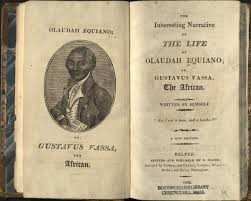
Olaudah Equiano’s book, “The Interesting Narrative of the Life of Olaudah Equiano, Gustavus Vassa, the African. Written by Himself,” stands prominently among autobiographies penned by former slaves in 18th-century Britain. Its comprehensive and detailed recounting, along with supporting documentation from various letters, offers unparalleled insights into Equiano's life, surpassing what we know about any of his peers.

Image: Olaudah Equiano as a young man in the 1770s/1780s.

1/
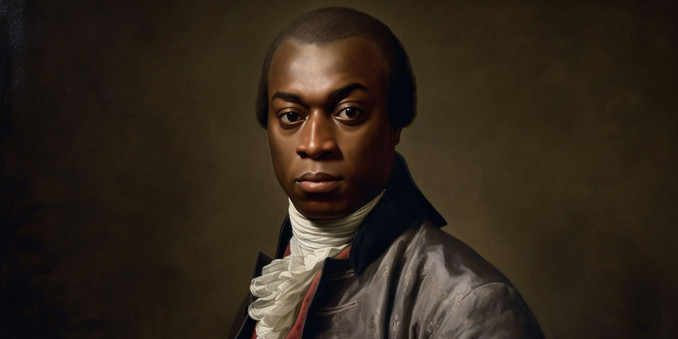
In the late 1780s and early 1790s, Olauda Equiano rose to prominence, distinguishing himself as the most notable Black person in Britain. In contemporary times, his reputation has either matched or even surpassed the acclaim he received during his era. Today, Equiano is a recurrent figure in literary works and compilations that delve into the history of slavery and the presence of black communities in Georgian-era Britain.

Image: Title page of Olaudah’s book.

2/

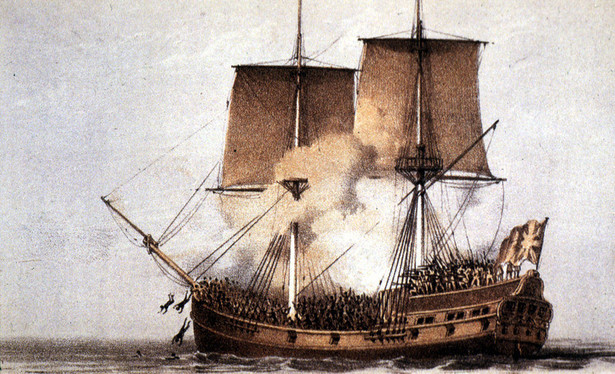
Inthe 1750s, Equiano, aged between 8 and 11, recounts being abducted by African raiders alongside his sister. They, along with other prisoners, endured a grueling journey that spanned several months to the Atlantic coast. As they delved deeper into the territories dominated by the Atlantic slave trade, the brutality and violence they encountered intensified.

Image: From book by William Fox, A Brief History of the Wesleyan Missions on the West Coast of Africa (London, 1851), facing p. 116.

3/

@Deglassco Alt text : image is a sepia-toned drawing of a double-master ship with huge crowds of figures shown arms upraised and some jumping overboard as they are fired upon by a group of other figures.