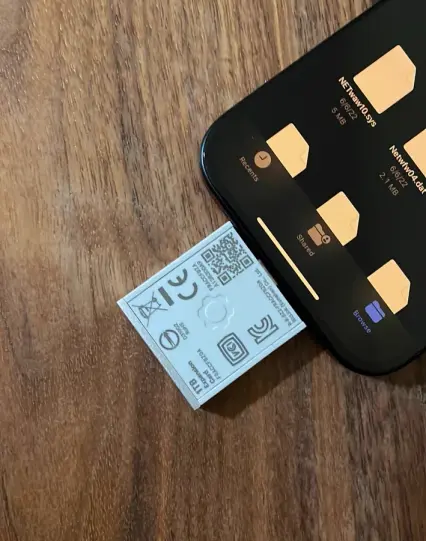


We fixed the iPhone 15.
But wait, thereโ€™s more!
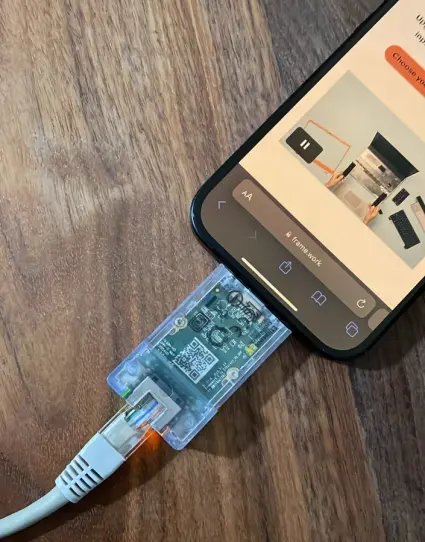
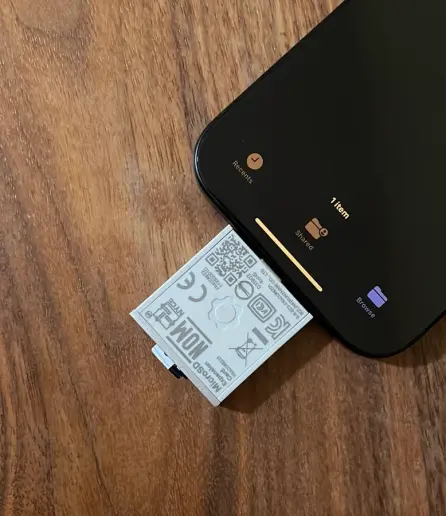
Ok, this one is genuinely useful.
Same for this.
@frameworkcomputer Do all these actually function? As in: Apple actually includes drivers for generic USB devices in iOS?

@jeroen94704 @frameworkcomputer

iOS uses the same kernelยน as MacOS so it is not that surprising, just like Android using the Linux kernel.

1: a kernel is the part of an OS that bridges the hardware with the rest of the software; the concept overlaps with that of drivers.

@alxlg @frameworkcomputer I seem to recall macOS uses a fork of the FreeBSD kernel, although I donโ€™t know if thatโ€™s still the case. I guess itโ€™s just surprising they didnโ€™t optimize iOSโ€™s storage and/or memory footprint by simply leaving out all those drivers. A Linux install can be significantly reduced in size simply by disabling anything you donโ€™t need in the kernel config.

@jeroen94704 @frameworkcomputer

Would such optimization really being worth? Cause AFAIK the Linux kernel is almost the same everywhere, from servers to embedded devices.

@alxlg @frameworkcomputer The core of the kernel is indeed always (practically) the same. But before it gets built it is configured to in/exclude a boatload of subsystems and devices/device classes. Tuning this to exclude stuff your embedded device doesnโ€™t need is part of the process of getting to a distribution thatโ€™s as small and lightweight as possible. A full Ubuntu install is several GB, but this can be reduced to a couple 100 MB quite easily and even less with more effort.

@jeroen94704

The Linux kernel compiled is a handful of megabytes (yeah that's incredible); what makes a desktop distribution GB-sized is everything else; the kernel size is irrelevant compared to the rest. And the hardware support is in the kernel.
@jeroen94704 @frameworkcomputer most of these are things Apple has made official accessories for in the lightning days. Youโ€™d be surprised what all iOS ports support.