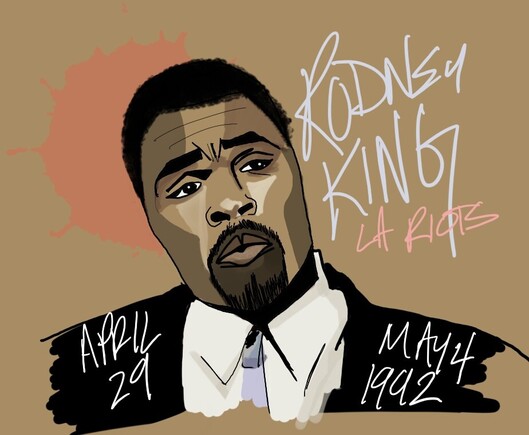
Although sparked by the acquittal of 4 white police officers who beat Rodney King, the roots of the 1992 Los Angeles riots can be traced back through decades of racial, economic, & political tensions. Therefore, to understand the magnitude & depth of anger that fueled the riots, one must consider the historical context that set the stage for this tumultuous event.

https://youtu.be/FGRRpgOxMn8

1/

@[email protected] @BlackMastodon #BlackMastodon #Histodons #History #BlackHistory #California
#LosAngeles

Raw Footage of Los Angeles as the 1992 Riots Erupt Throughout the City | From the Archives | NBCLA

YouTube

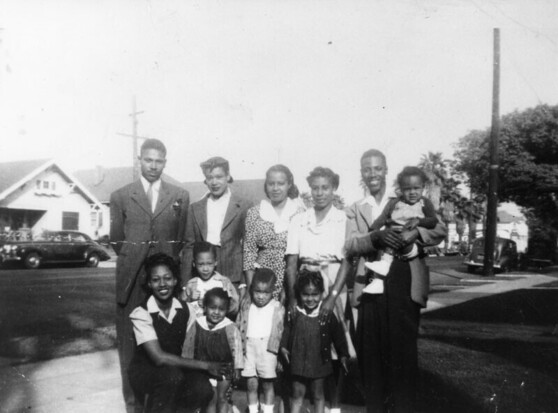
Los Angeles, often heralded as the "City of Dreams" of the entertainment industry, presented a different reality for Black migrants. With its sun-soaked beaches & burgeoning industries, it beckoned those looking for a fresh start, including a significant number of Black families fleeing the oppressive environment of the American South. Yet, the reality they encountered was far from the promises of the West.

2/

BlackMastodon #Histodons #History #StillWeRise #BlackHistory #California
#LosAngeles

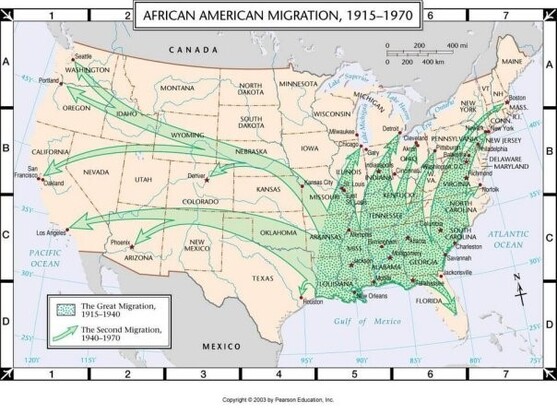
The early to mid-20th century saw the Great Migration – a mass movement of Black families from the rural South to the urban centers of the North & West. They were searching for economic opportunities and an escape from Jim Crow laws and racially motivated violence. In many ways, Los Angeles was as an ideal destination because of its growing economy and the potential for upward mobility.

3/

BlackMastodon #Histodons #History #StillWeRise #BlackHistory #California
#LosAngeles

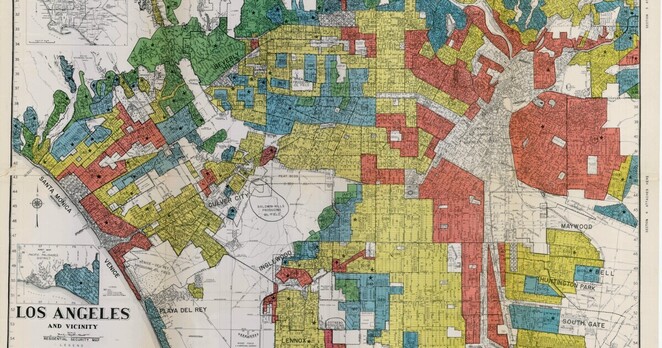
But, these dreams were quickly stifled by the reality of racial discrimination in LA. Restrictive housing covenants became one of the primary tools of this discrimination. These covenants, often written into property deeds, explicitly prohibited homeowners from selling or renting their property to specific racial or ethnic groups, primarily targeting Black residents.

4/

BlackMastodon #Histodons #History #StillWeRise #BlackHistory #California
#LosAngeles

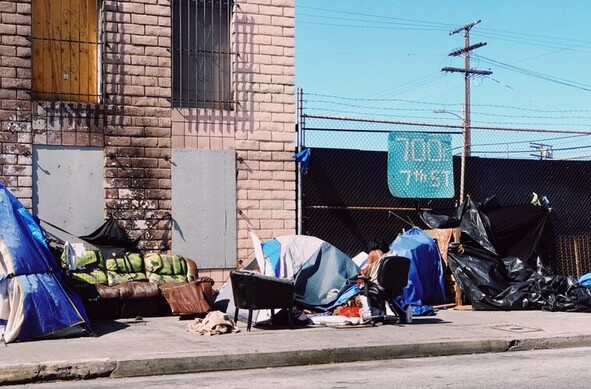
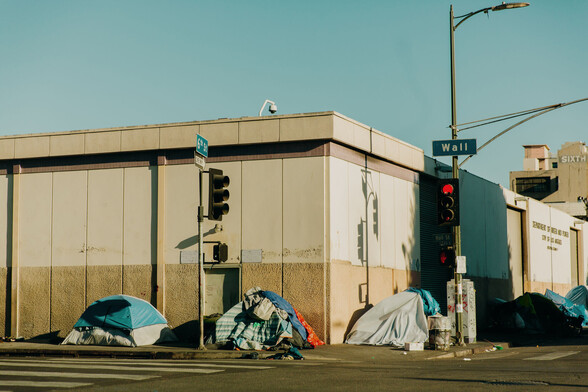
As a result, Black families were confined to certain neighborhoods, often those with limited resources and opportunities. South Central LA became one of these focal points, and over time, it bore the brunt of economic decline and concentrated poverty.

5/

BlackMastodon #Histodons #History #StillWeRise #BlackHistory #California
#LosAngeles

The post-World War II era, especially the 1970s and 1980s, witnessed a major shift in LA's economy. The decline of manufacturing sectors led to significant job losses. As factories closed their doors, many Black residents, who historically occupied these blue-collar jobs, found themselves unemployed or underemployed.

6/

BlackMastodon #Histodons #History #StillWeRise #BlackHistory #California
#LosAngeles

Moreover, due to systemic racism, Black residents often faced greater challenges in accessing quality education or transitioning to emerging industries, further exacerbating the economic divide.

7/

BlackMastodon #Histodons #History #StillWeRise #BlackHistory #California
#LosAngeles

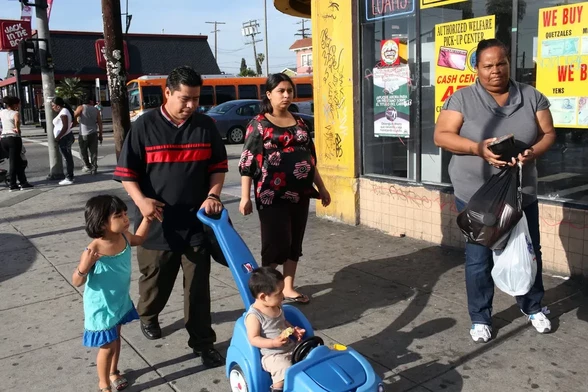
Furthermore, as new immigrants from Latin America and Asia began to arrive in Los Angeles in large numbers during this period, competition for low-wage jobs intensified, sometimes leading to racial tensions among minority groups.

8/

BlackMastodon #Histodons #History #StillWeRise #BlackHistory #California
#LosAngeles

These economic and racial disparities, cemented over decades, set the stage for ongoing challenges in Los Angeles. They contributed to a lack of trust in institutions, including law enforcement, and perpetuated a cycle of poverty that was hard to break. This context is crucial in understanding the socio-economic dynamics that would later play a significant role in events like the LA riots of 1992.

9/

BlackMastodon #Histodons #History #StillWeRise #BlackHistory #California
#LosAngeles

In essence, while Los Angeles held the allure of opportunity and hope for many Black families escaping the racial oppression of the South, the realities of segregation, economic disparities, and systemic racism painted a vastly different picture of life in the City of Angels.

10/

BlackMastodon #Histodons #History #StillWeRise #BlackHistory #California
#LosAngeles

The relationship between law enforcement agencies and the communities they serve is foundational to the stability and trust within those communities. In Los Angeles, particularly concerning the LAPD, this relationship has been fraught with tension, mistrust, and incidents that underscore a history of racial animosity.

11/

BlackMastodon #Histodons #History #StillWeRise #BlackHistory #California
#LosAngeles

The LAPD, like many other American urban police departments, was established in an era where racism was institutionalized. As the city grew and diversified, especially with the influx of Black migrants, the police did not evolve to meet the changing dynamics. Instead, they often approached the Black community with suspicion, using tactics that were heavy-handed and aggressive.

https://www.latimes.com/opinion/story/2020-08-11/white-people-used-police-brutality-los-angeles-most-segregated-city-in-america

12/

BlackMastodon #Histodons #History #BlackHistory #California
#LosAngeles

How police brutality helped white people segregate L.A.

Police brutality didn’t just spring from the minds of racist police. It reflected the will of white people to segregate. In many ways it still does.

Los Angeles Times

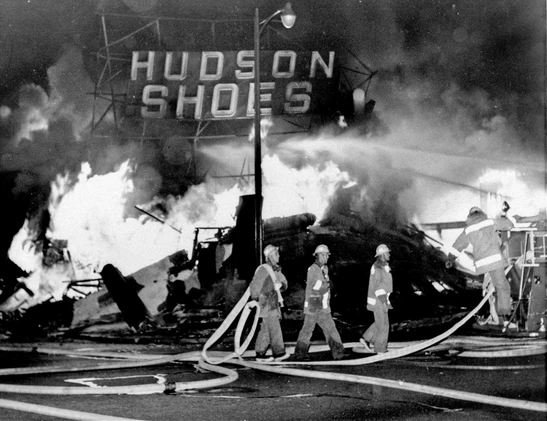
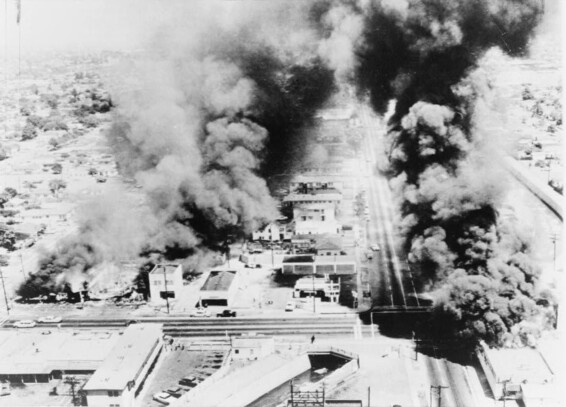
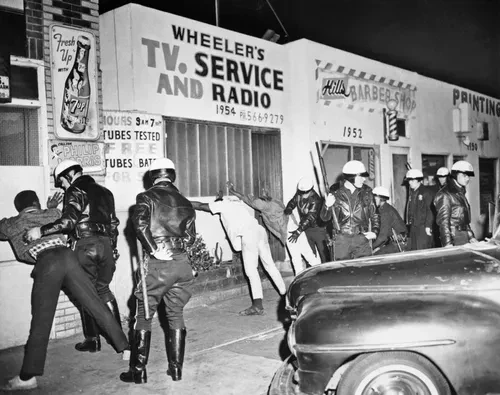
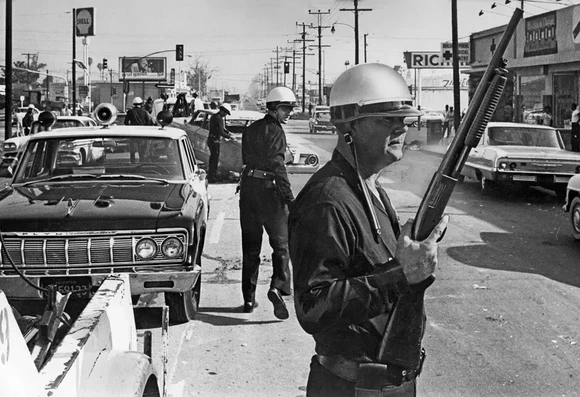
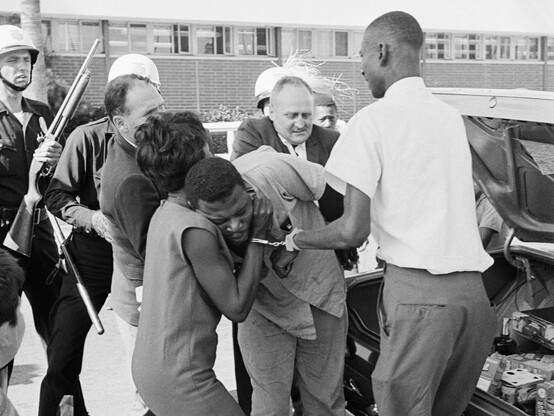
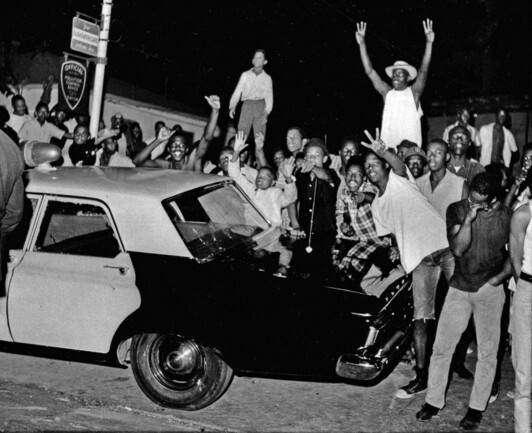
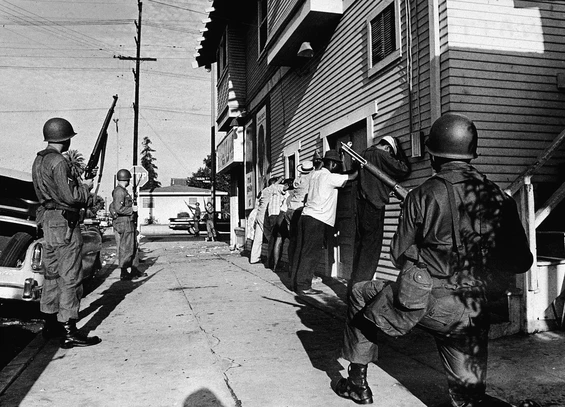
One of the most emblematic incidents highlighting these tensions was the Watts Riots of 1965. Sparked by a traffic stop of a young Black man named Marquette Frye, the situation escalated due to perceived excessive force and disrespect by the police officers. The subsequent six days of rioting resulted in 34 deaths, thousands of injuries, and millions in property damage.

13/

BlackMastodon #Histodons #History #StillWeRise #BlackHistory #California
#LosAngeles

But more than just the physical destruction, the riots spotlighted a deep-seated mistrust and resentment towards the LAPD. The Black community's frustrations weren't just about that single incident; they were an eruption of years of accumulated grievances against systemic oppression and routine mistreatment.

14/

BlackMastodon #Histodons #History #StillWeRise #BlackHistory #California
#LosAngeles

Over the years, there have been numerous reports and accusations against the LAPD for using excessive force, especially in Black neighborhoods. Stop-and-frisk policies, chokeholds, and other aggressive tactics were commonly employed. Such actions perpetuated the image of the LAPD not as protectors of the community, but as an occupying force, further entrenching the divide between officers and the Black community.

15/

BlackMastodon #Histodons #History #BlackHistory #California
#LosAngeles

Recurring racial tensions & police brutality led to demands for reform. Community leaders, activists, and even some within the police department called for a reevaluation of policing tactics, better community engagement, and more representation of minorities within the police force. These calls, however, often faced resistance from police unions and segments of the public who believed in a more hardline approach to law enforcement.

16/

BlackMastodon #Histodons #History #California
#LosAngeles

Such tensions existed in many major cities across the U.S. The challenges between law enforcement and Black communities in Los Angeles are reflective of a broader national issue, with incidents in cities like New York, Detroit, and Chicago mirroring the racial dynamics in LA.

17/

BlackMastodon #Histodons #History #StillWeRise #BlackHistory #California
#LosAngeles

The LAPD's history of racial tensions with the Black community is a complex interplay of systemic racism, aggressive policing tactics, and societal perceptions of crime and race. But there were other factors that contributed that were either separately or tangentially related to the LA riots.

18/

BlackMastodon #Histodons #History #StillWeRise #BlackHistory #California
#LosAngeles

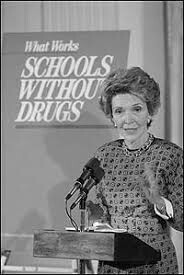
The federal government's "War on Drugs," initiated primarily in the 1980s, had profound implications for urban areas, especially for Black and Latino communities. While it was pitched as a way to combat the drug epidemic and associated crime, its implementation, particularly in cities like Los Angeles, led to numerous societal challenges, some of which contributed to the conditions that sparked the LA riots of 1992.

19/

BlackMastodon #Histodons #History #BlackHistory #California
#LosAngeles

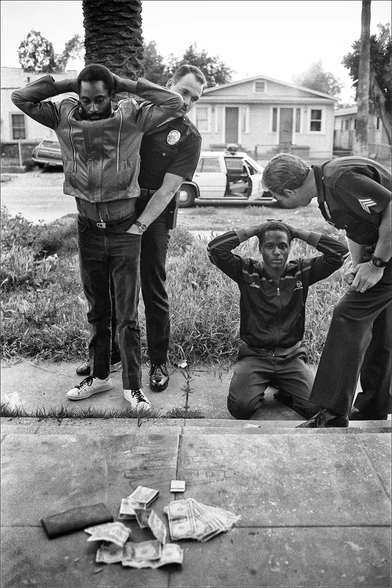
The War on Drugs resulted in a massive increase in police presence in Black and Latino neighborhoods. While the intent was to root out drug suppliers and dealers, the impact was much broader. Everyday residents of these communities, many of whom had no involvement in drug activities, found themselves regularly stopped, searched, and interrogated by the police.

20/

BlackMastodon #Histodons #History #StillWeRise #BlackHistory #California
#LosAngeles

@Deglassco @thorncoyle
The War on Drugs was greatly expanded by the Reagan administration, true. But it was initiated by the Nixon Administration. Their intent wasn’t so much to root out drug suppliers as to disrupt domestic opposition — especially black communities.

“The Nixon campaign in 1968, and the Nixon White House after that, had two enemies: the antiwar left and black people. You understand what I’m saying? We knew we couldn’t make it illegal to be either against the war or black, but by getting the public to associate the hippies with marijuana and blacks with heroin, and then criminalizing both heavily, we could disrupt those communities. We could arrest their leaders, raid their homes, break up their meetings, and vilify them night after night on the evening news. Did we know we were lying about the drugs? Of course we did.”

— John Ehrlichman, Counsel and Assistant to the President for Domestic Affairs under President Richard Nixon. "Legalize It All". *Harper's Magazine* 2016-04.

https://harpers.org/archive/2016/04/legalize-it-all/?single=1

Legalize It All, by Dan Baum

How to win the war on drugs

Harper's Magazine
@Voline indeed. Thanks for the context.