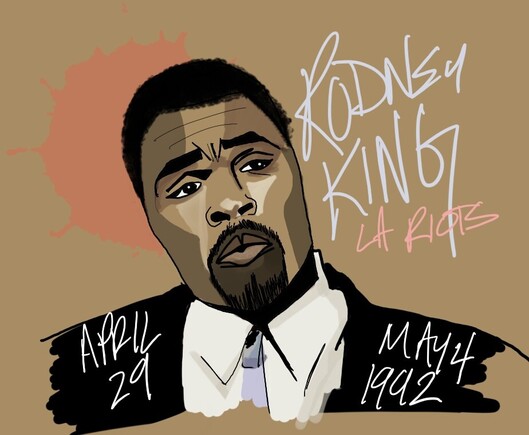
Although sparked by the acquittal of 4 white police officers who beat Rodney King, the roots of the 1992 Los Angeles riots can be traced back through decades of racial, economic, & political tensions. Therefore, to understand the magnitude & depth of anger that fueled the riots, one must consider the historical context that set the stage for this tumultuous event.

https://youtu.be/FGRRpgOxMn8

1/

@[email protected] @BlackMastodon #BlackMastodon #Histodons #History #BlackHistory #California
#LosAngeles
Raw Footage of Los Angeles as the 1992 Riots Erupt Throughout the City | From the Archives | NBCLA

YouTube

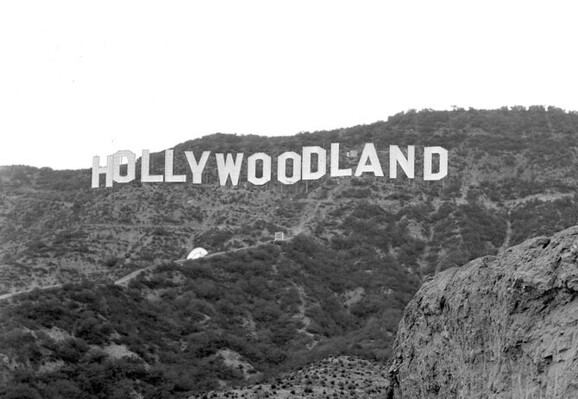
Los Angeles, often heralded as the "City of Dreams" of the entertainment industry, presented a different reality for Black migrants. With its sun-soaked beaches & burgeoning industries, it beckoned those looking for a fresh start, including a significant number of Black families fleeing the oppressive environment of the American South. Yet, the reality they encountered was far from the promises of the West.

2/

BlackMastodon #Histodons #History #StillWeRise #BlackHistory #California
#LosAngeles
The early to mid-20th century saw the Great Migration – a mass movement of Black families from the rural South to the urban centers of the North & West. They were searching for economic opportunities and an escape from Jim Crow laws and racially motivated violence. In many ways, Los Angeles was as an ideal destination because of its growing economy and the potential for upward mobility.

3/

BlackMastodon #Histodons #History #StillWeRise #BlackHistory #California
#LosAngeles
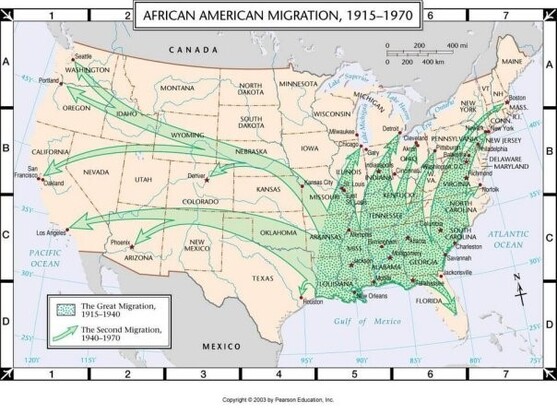
But, these dreams were quickly stifled by the reality of racial discrimination in LA. Restrictive housing covenants became one of the primary tools of this discrimination. These covenants, often written into property deeds, explicitly prohibited homeowners from selling or renting their property to specific racial or ethnic groups, primarily targeting Black residents.

4/

BlackMastodon #Histodons #History #StillWeRise #BlackHistory #California
#LosAngeles
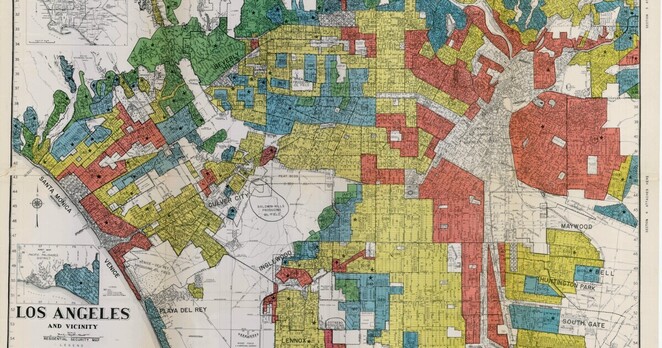
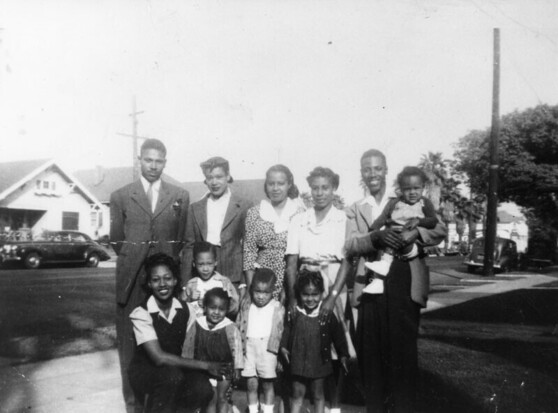
As a result, Black families were confined to certain neighborhoods, often those with limited resources and opportunities. South Central LA became one of these focal points, and over time, it bore the brunt of economic decline and concentrated poverty.

5/

BlackMastodon #Histodons #History #StillWeRise #BlackHistory #California
#LosAngeles
The post-World War II era, especially the 1970s and 1980s, witnessed a major shift in LA's economy. The decline of manufacturing sectors led to significant job losses. As factories closed their doors, many Black residents, who historically occupied these blue-collar jobs, found themselves unemployed or underemployed.

6/

BlackMastodon #Histodons #History #StillWeRise #BlackHistory #California
#LosAngeles
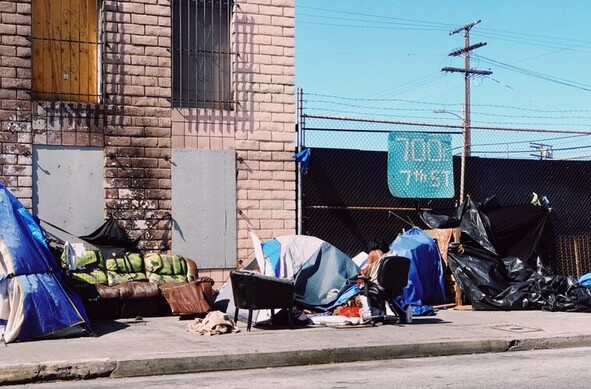
Moreover, due to systemic racism, Black residents often faced greater challenges in accessing quality education or transitioning to emerging industries, further exacerbating the economic divide.

7/

BlackMastodon #Histodons #History #StillWeRise #BlackHistory #California
#LosAngeles
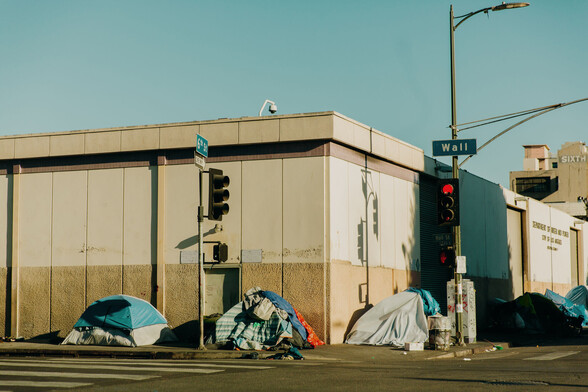
Furthermore, as new immigrants from Latin America and Asia began to arrive in Los Angeles in large numbers during this period, competition for low-wage jobs intensified, sometimes leading to racial tensions among minority groups.

8/

BlackMastodon #Histodons #History #StillWeRise #BlackHistory #California
#LosAngeles
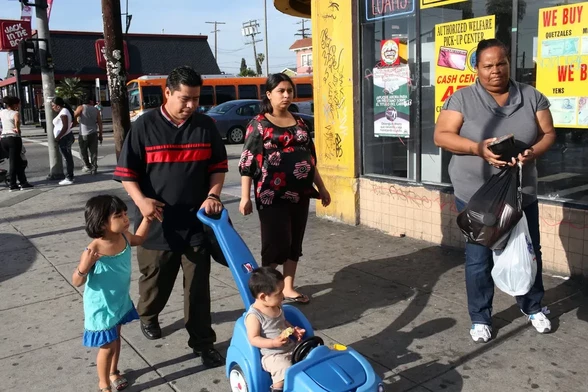
These economic and racial disparities, cemented over decades, set the stage for ongoing challenges in Los Angeles. They contributed to a lack of trust in institutions, including law enforcement, and perpetuated a cycle of poverty that was hard to break. This context is crucial in understanding the socio-economic dynamics that would later play a significant role in events like the LA riots of 1992.

9/

BlackMastodon #Histodons #History #StillWeRise #BlackHistory #California
#LosAngeles
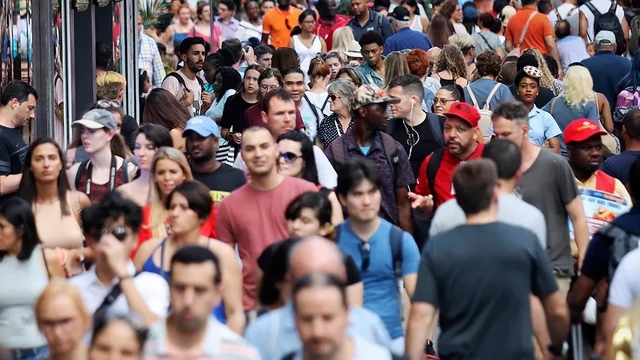
In essence, while Los Angeles held the allure of opportunity and hope for many Black families escaping the racial oppression of the South, the realities of segregation, economic disparities, and systemic racism painted a vastly different picture of life in the City of Angels.

10/

BlackMastodon #Histodons #History #StillWeRise #BlackHistory #California
#LosAngeles
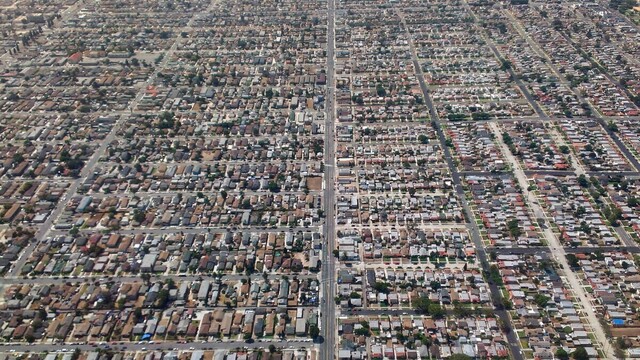
The relationship between law enforcement agencies and the communities they serve is foundational to the stability and trust within those communities. In Los Angeles, particularly concerning the LAPD, this relationship has been fraught with tension, mistrust, and incidents that underscore a history of racial animosity.

11/

BlackMastodon #Histodons #History #StillWeRise #BlackHistory #California
#LosAngeles
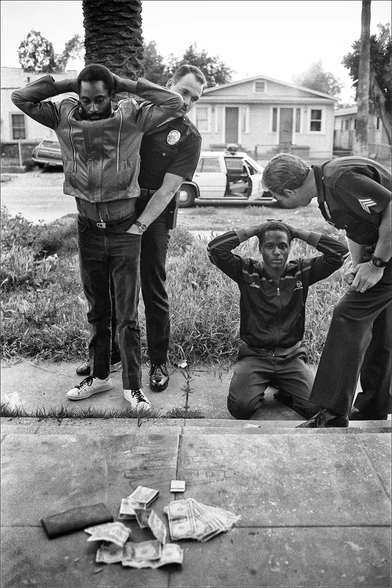
The LAPD, like many other American urban police departments, was established in an era where racism was institutionalized. As the city grew and diversified, especially with the influx of Black migrants, the police did not evolve to meet the changing dynamics. Instead, they often approached the Black community with suspicion, using tactics that were heavy-handed and aggressive.

https://www.latimes.com/opinion/story/2020-08-11/white-people-used-police-brutality-los-angeles-most-segregated-city-in-america

12/

BlackMastodon #Histodons #History #BlackHistory #California
#LosAngeles

How police brutality helped white people segregate L.A.

Police brutality didn’t just spring from the minds of racist police. It reflected the will of white people to segregate. In many ways it still does.

Los Angeles Times

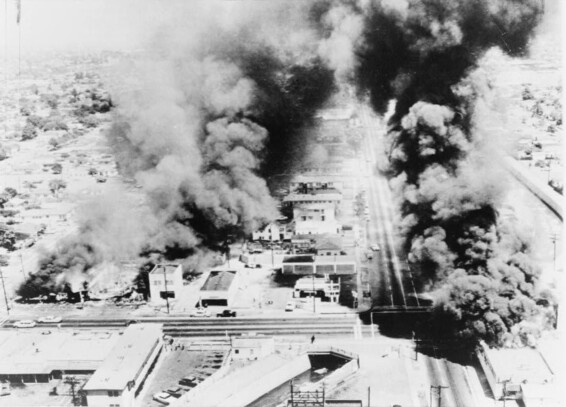
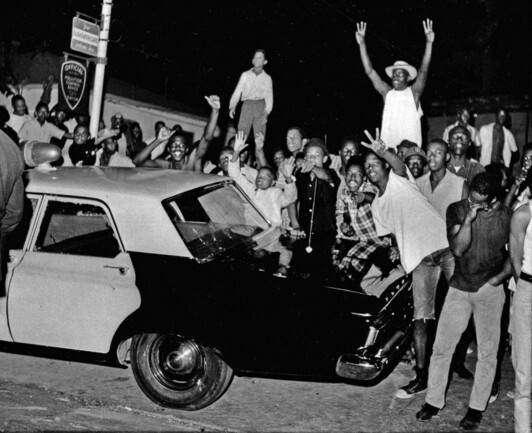
One of the most emblematic incidents highlighting these tensions was the Watts Riots of 1965. Sparked by a traffic stop of a young Black man named Marquette Frye, the situation escalated due to perceived excessive force and disrespect by the police officers. The subsequent six days of rioting resulted in 34 deaths, thousands of injuries, and millions in property damage.

13/

BlackMastodon #Histodons #History #StillWeRise #BlackHistory #California
#LosAngeles
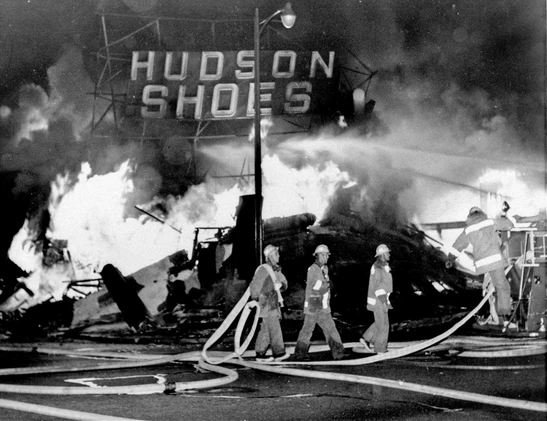
But more than just the physical destruction, the riots spotlighted a deep-seated mistrust and resentment towards the LAPD. The Black community's frustrations weren't just about that single incident; they were an eruption of years of accumulated grievances against systemic oppression and routine mistreatment.

14/

BlackMastodon #Histodons #History #StillWeRise #BlackHistory #California
#LosAngeles
Over the years, there have been numerous reports and accusations against the LAPD for using excessive force, especially in Black neighborhoods. Stop-and-frisk policies, chokeholds, and other aggressive tactics were commonly employed. Such actions perpetuated the image of the LAPD not as protectors of the community, but as an occupying force, further entrenching the divide between officers and the Black community.

15/

BlackMastodon #Histodons #History #BlackHistory #California
#LosAngeles
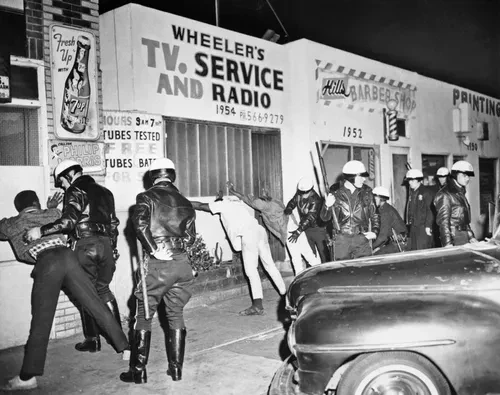
Recurring racial tensions & police brutality led to demands for reform. Community leaders, activists, and even some within the police department called for a reevaluation of policing tactics, better community engagement, and more representation of minorities within the police force. These calls, however, often faced resistance from police unions and segments of the public who believed in a more hardline approach to law enforcement.

16/

BlackMastodon #Histodons #History #California
#LosAngeles
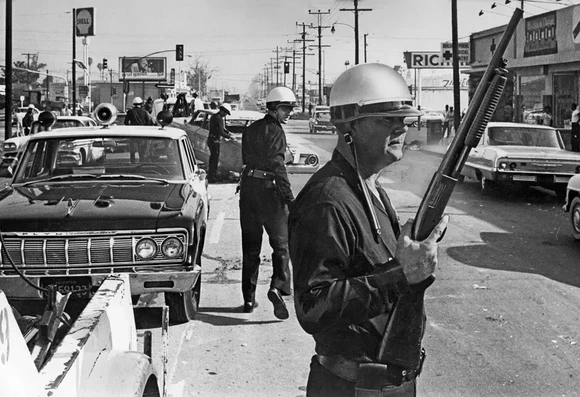
Such tensions existed in many major cities across the U.S. The challenges between law enforcement and Black communities in Los Angeles are reflective of a broader national issue, with incidents in cities like New York, Detroit, and Chicago mirroring the racial dynamics in LA.

17/

BlackMastodon #Histodons #History #StillWeRise #BlackHistory #California
#LosAngeles
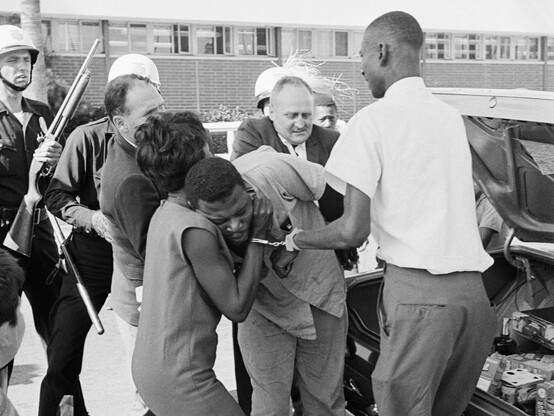
The LAPD's history of racial tensions with the Black community is a complex interplay of systemic racism, aggressive policing tactics, and societal perceptions of crime and race. But there were other factors that contributed that were either separately or tangentially related to the LA riots.

18/

BlackMastodon #Histodons #History #StillWeRise #BlackHistory #California
#LosAngeles
The federal government's "War on Drugs," initiated primarily in the 1980s, had profound implications for urban areas, especially for Black and Latino communities. While it was pitched as a way to combat the drug epidemic and associated crime, its implementation, particularly in cities like Los Angeles, led to numerous societal challenges, some of which contributed to the conditions that sparked the LA riots of 1992.

19/

BlackMastodon #Histodons #History #BlackHistory #California
#LosAngeles
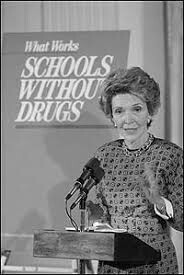
The War on Drugs resulted in a massive increase in police presence in Black and Latino neighborhoods. While the intent was to root out drug suppliers and dealers, the impact was much broader. Everyday residents of these communities, many of whom had no involvement in drug activities, found themselves regularly stopped, searched, and interrogated by the police.

20/

BlackMastodon #Histodons #History #StillWeRise #BlackHistory #California
#LosAngeles
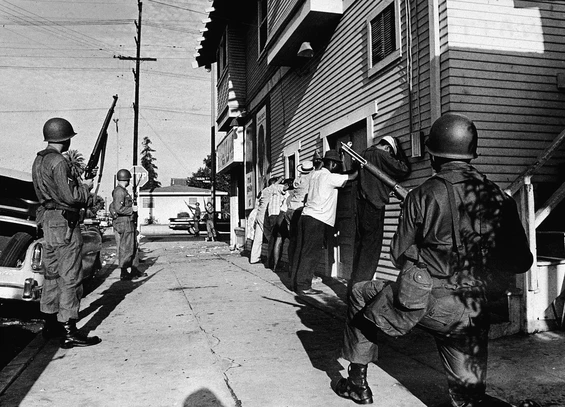
The constant police surveillance contributed to the perception that these communities were inherently criminal, perpetuating racial stereotypes and mistrust.

21/

BlackMastodon #Histodons #History #StillWeRise #BlackHistory #California
#LosAngeles
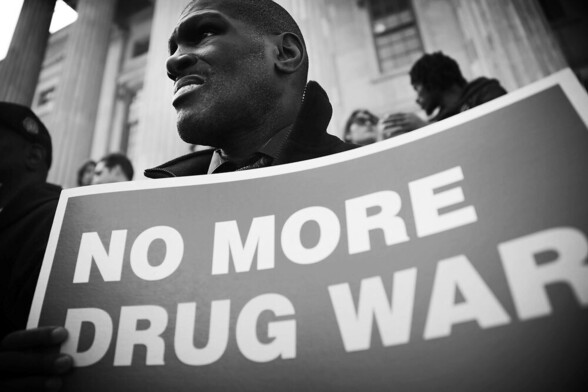
One of the critical components of the War on Drugs was the introduction of mandatory minimum sentences for drug offenses. These policies disproportionately impacted Black and Latino individuals, leading to lengthy prison sentences even for non-violent, minor drug offenses. As a result, the U.S. saw a dramatic spike in its prison population, with a significant percentage being young Black and Latino men.

22/

BlackMastodon #Histodons #History #StillWeRise #BlackHistory #California
#LosAngeles
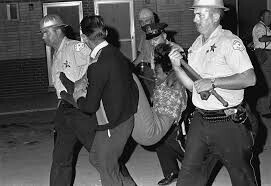
Mass incarceration tore apart families & communities, leaving lasting socio-economic scars. With so many young men jailed, families were left without primary breadwinners, increasing economic hardship. Children grew up with one or both parents in prison, leading to cycles of poverty and limited access to opportunities. Moreover, having a criminal record made it difficult to find employment, perpetuating a cycle of disadvantage.

23/

BlackMastodon #Histodons #History #California
#LosAngeles
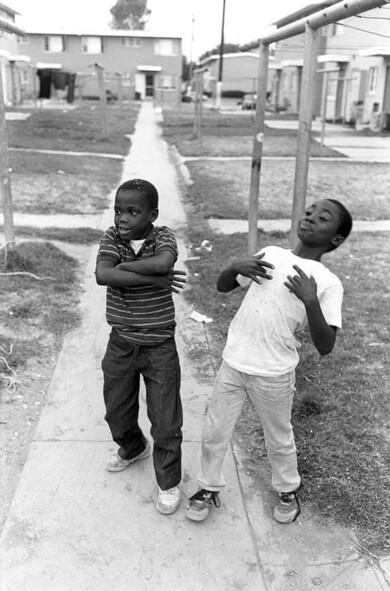
By the time the early 1990s rolled around, there was a palpable tension in Los Angeles, particularly in neighborhoods heavily targeted by the War on Drugs policies. The community's trust in law enforcement was at an all-time low, and the resentment was simmering.

24/

BlackMastodon #Histodons #History #StillWeRise #BlackHistory #California
#LosAngeles
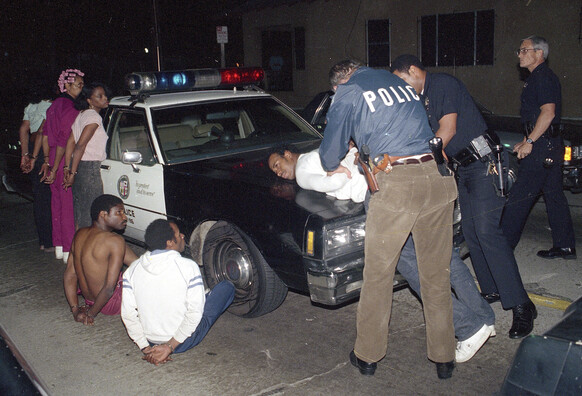
Also, the racial dynamics of the 1992 LA riots were multifaceted, with the tension between the Black and Korean communities in Los Angeles serving as one of the significant undercurrents.

The 1980s and early 1990s saw a significant influx of Korean immigrants to the United States, many of whom settled in Los Angeles.

25/

BlackMastodon #Histodons #History #StillWeRise #BlackHistory #California
#LosAngeles
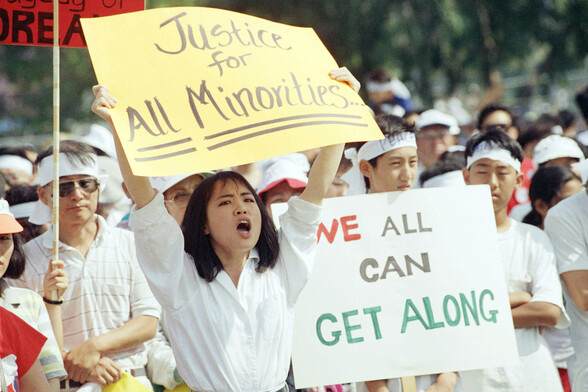
Korean American immigrants often established small businesses like convenience stores, liquor stores, and other retail outlets. A notable number of these businesses were located in predominantly Black neighborhoods, primarily due to lower property values and rent costs. While these businesses provided essential services, their presence became a point of contention.

26/

BlackMastodon #Histodons #History #StillWeRise #BlackHistory #California
#LosAngeles
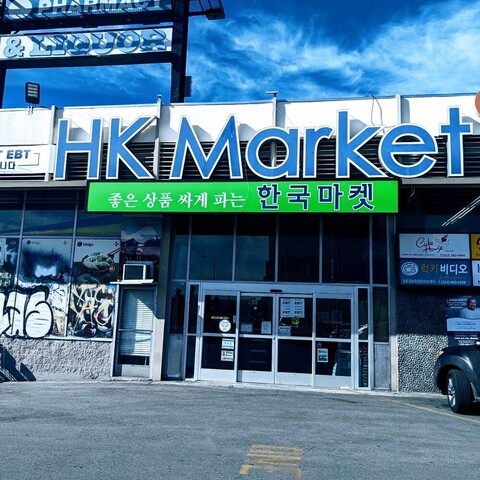
For many in the Black community, the presence of Korean-owned businesses was a symbol of outsider economic control. Amid economic hardships, including high unemployment rates in Black communities, Korean-owned businesses became emblematic of lost economic opportunities for Black residents. There was a feeling that while Koreans profited from Black consumers, they did not reinvest in the community or show respect for its residents.

27/

BlackMastodon #Histodons #History #California
#LosAngeles
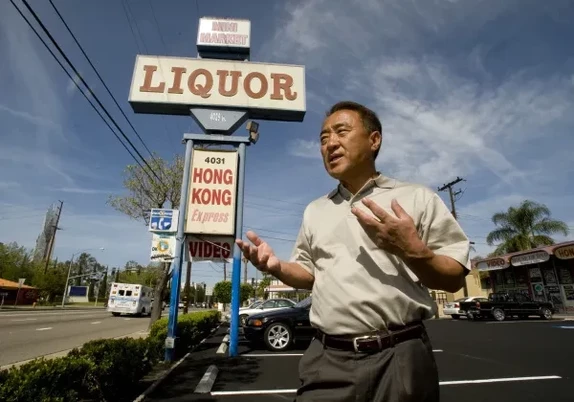
Cultural and language barriers further complicated the relationship. There were instances where misunderstandings, stemming from differences in customs or communication styles, led to perceived disrespect. Additionally, both communities had limited understanding of each other's history and struggles, leading to the perpetuation of stereotypes and biases.

28/

BlackMastodon #Histodons #History #StillWeRise #BlackHistory #California
#LosAngeles
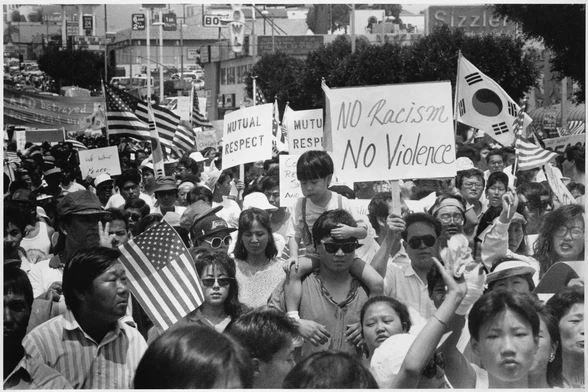
The tragic shooting of Latasha Harlins became a flashpoint for Korean-Black tensions. In 1991, the 15-year-old Black teenager was shot and killed by a Korean store owner, Soon Ja Du, following a confrontation over a bottle of orange juice.

29/

BlackMastodon #Histodons #History #StillWeRise #BlackHistory #California
#LosAngeles
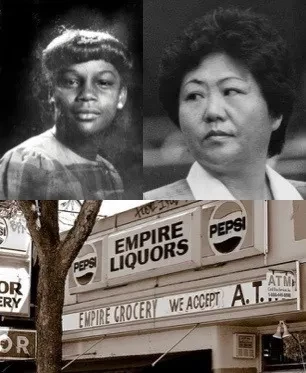
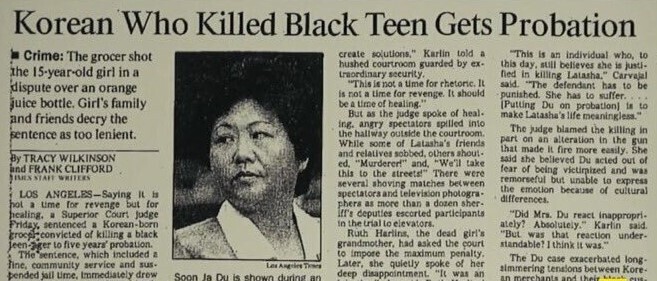
The incident, captured on store surveillance, and the subsequent lenient sentencing of Du (who received probation, community service, and a fine, but no jail time) deeply angered the Black community. It epitomized their feelings of injustice and fueled resentment towards Korean American store owners.

30/

BlackMastodon #Histodons #History #StillWeRise #BlackHistory #California
#LosAngeles
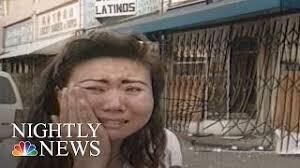
When the LA riots erupted in 1992 following the acquittal of the police officers in the Rodney King case, Korean-owned businesses became significant targets. An estimated 2,300 Korean-owned stores in Los Angeles were looted or burned, amounting to roughly $400 million in damages. The violence and destruction highlighted the depth of the existing tensions and mistrust.

31/

BlackMastodon #Histodons #History #StillWeRise #BlackHistory #California
#LosAngeles
In the aftermath of the riots, there were concerted efforts from both the Black and Korean American communities to bridge the divide. Community leaders, activists, and individuals sought dialogues, joint community projects, and educational initiatives to foster understanding and unity. While challenges remained, the painful lessons of the riots were a catalyst for change.

32/

BlackMastodon #Histodons #History #StillWeRise #BlackHistory #California
#LosAngeles
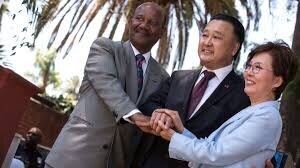
The Los Angeles uprising in 1992 was rooted in economic competition, cultural misunderstandings, and incidents like the death of Latasha Harlins, the war on drugs, decades of racial, economic, and political tensions, as well as ongoing law enforcement abuse.
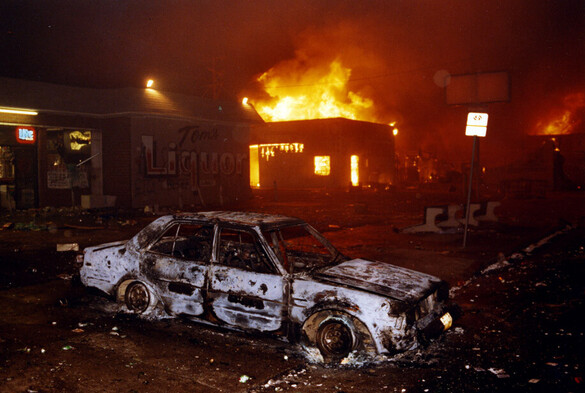
This is the history—the backdrop upon which the ground for the unrest was laid.

33/

BlackMastodon #Histodons #History #StillWeRise #BlackHistory #California
#LosAngeles
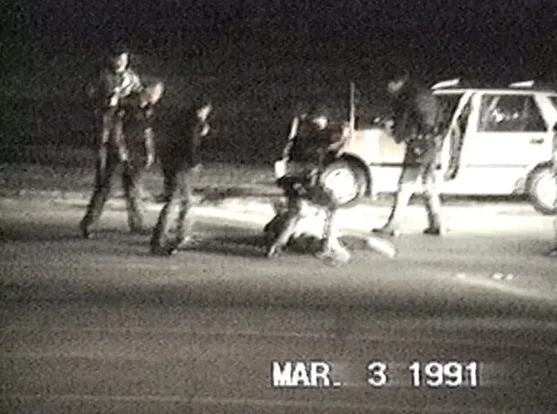
Next time, we will go into the specifics of the immediate lead up to the riots—-the beating of Rodney King and the immediate aftermath. Thank you for reading and commenting. I appreciate it.

34/

BlackMastodon #Histodons #History #StillWeRise #BlackHistory #California
#LosAngeles

A Dangerous Night In L.A. | LA 92

YouTube

Books

Afary, Kamran. Performance and Activism: Grassroots Discourse After the Los Angeles Rebellion of 1992. Lexington Books, 2009.

Assembly Special Committee. To Rebuild is Not Enough: Final Report and Recommendations of the Assembly Special Committee on the Los Angeles Crisis. Sacramento: Assembly Publications Office, 1992.

Baldassare, Mark, ed. The Los Angeles Riots: Lessons for the Urban Future. Boulder and Oxford: Westview Press, 1994.

36/

BlackMastodon #Histodons #History
#LosAngeles

Cannon, Lou. Official Negligence: How Rodney King and the Riots Changed Los Angeles and the LAPD. Basic Books, 1999.

Cannon, Lou. Official Negligence: How Rodney King and the Riots Changed Los Angeles and the LAPD. Times Books/Random House, 1998.

Davis, Mike. City of Quartz: Excavating the Future in Los Angeles. Verso, New Edition, 2006.

37/

BlackMastodon #Histodons #History #StillWeRise #BlackHistory #California
#LosAngeles

Gattis, Ryan. All Involved. (Publication details are not provided, so please ensure you include them when you cite this source.)

Gibbs, Jewelle Taylor. Race and Justice: Rodney King and O.J. Simpson in a House Divided. San Francisco: Jossey-Bass, 1996.

Gooding-Williams, Robert, ed. Reading Rodney King, Reading Urban Uprising. New York and London: Routledge, 1993.

38/

BlackMastodon #Histodons #History #StillWeRise #BlackHistory #California
#LosAngeles

Gattis, Ryan. All Involved. (Publication details are not provided, so please ensure you include them when you cite this source.)

Gibbs, Jewelle Taylor. Race and Justice: Rodney King and O.J. Simpson in a House Divided. San Francisco: Jossey-Bass, 1996.

Gooding-Williams, Robert, ed. Reading Rodney King, Reading Urban Uprising. New York and London: Routledge, 1993.

39/

BlackMastodon #Histodons #History #StillWeRise #BlackHistory #California
#LosAngeles

Jacobs, Ronald F. Race, Media, and the Crisis of Civil Society: From the Watts Riots to Rodney King. Cambridge University Press, 2000.

Leovy, Jill. Ghettoside: A True Story of Murder in America. One World, Reprint edition, 2015.

Los Angeles Times. Understanding the Riots: Los Angeles Before and After the Rodney King Case. Los Angeles: Los Angeles Times, 1992.

40/

BlackMastodon #Histodons #History #StillWeRise #BlackHistory #California
#LosAngeles

Revoyr, Nina. Southland. Akashic Books, First Edition, 2003.

Smith, Anna Deavere. Twilight: Los Angeles, 1992. Anchor, 1st edition, 1994.

Song Hyoung, Min. Strange Future: Pessimism and the 1992 Los Angeles Riots. Durham: Duke University Press, 2005.

42/

BlackMastodon #Histodons #History #StillWeRise #BlackHistory #California
#LosAngeles

Stevenson, Brenda. The Contested Murder of Latasha Harlins: Justice, Gender, and the Origins of the LA Riots. Oxford University Press, 1st edition, 2015.

Wall, Brenda. The Rodney King Rebellion: A Psychopolitical Analysis of Racial Despair and Hope. Chicago: African American Images, 1992.

43/

BlackMastodon #Histodons #History #StillWeRise #BlackHistory #California
#LosAngeles

Webster Commission. The City in Crisis: A Report by the Special Advisor to the Board of Police Commissioners on the Civil Disorder in Los Angeles. Los Angeles: Institute for Government and Public Affairs, UCLA, 1992.

44/

BlackMastodon #Histodons #History #StillWeRise #BlackHistory #California
#LosAngeles

@Deglassco
So glad you mentioned the Webster Commission.

As I'm sure you know, there have been many commissions after various "race riots". Perhaps do a thread one day on those often overlooked reports. The Kerner Commission was an important one

Love your posts. Thanks!

@TCatInReality that’s a good idea. Not many people remember reports like Gunnar Myrdal’s An American Dilemma, Daniel, Patrick Moynihan’s report, or the Kerner Commission Report on Civil Disorders, etc., but they were enormously influential.

@Deglassco
I never even heard of Myrdal. Guess I've got some reading to do now 😁

Thanks!

@Deglassco
Thanks again! Great summary. It’s so nice to see this event contextualized this way.

Your discussion of LA segregation reminded me of West of Jim Crow, a nice recent treatment by Lynn Hudson of California civil rights conflict before 1950.

https://www.press.uillinois.edu/books/?id=p085253

@jsdodge thank you for providing the resource. I’m going to check it out.