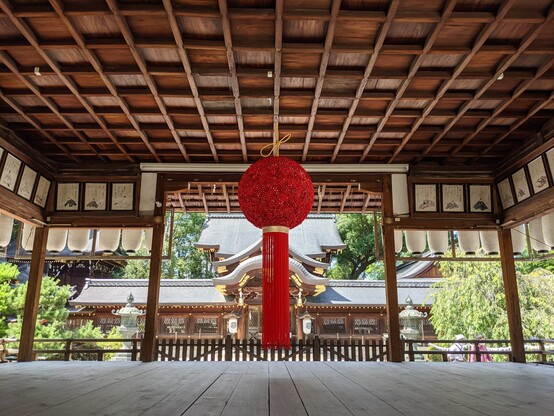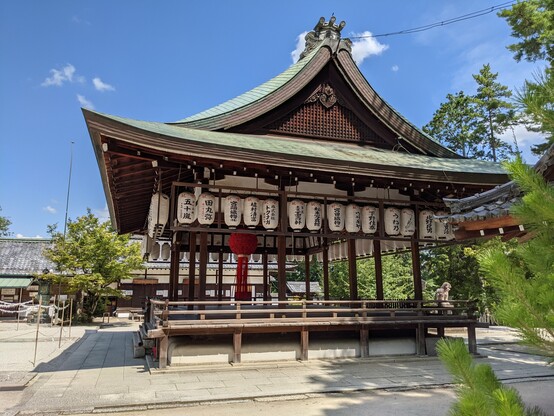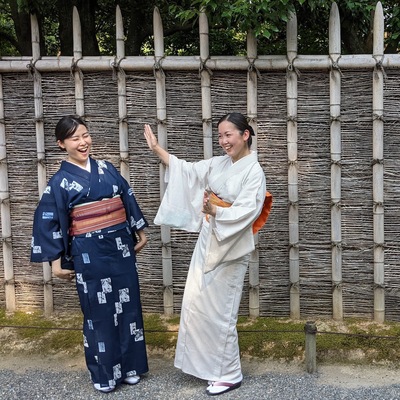
🙏🍵THE 1000 YEAR OLD TEAHOUSE🍡❤️‍🩹

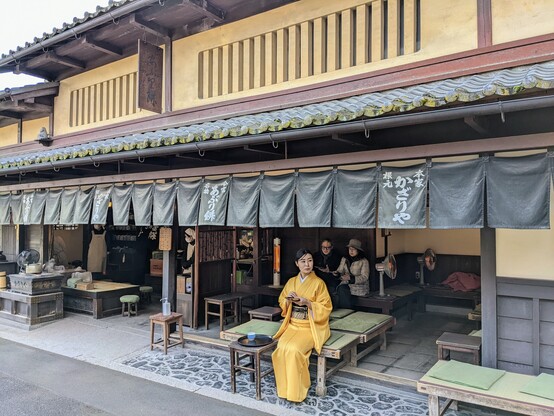
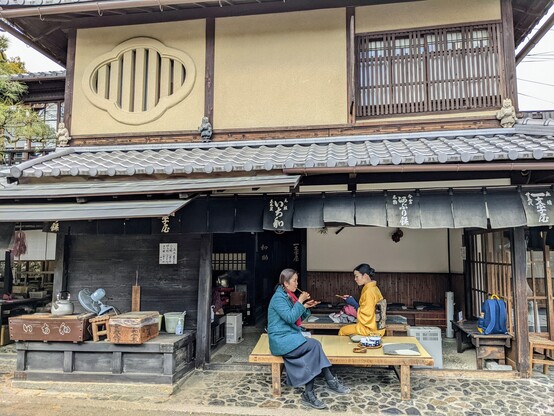
'Ichimonjiya Wasuke' (一文字屋和輔), affectionately known as 'Ichiwa' (一和), was established shortly after the founding of Imamiya-jinja.

For over one thousand years it has served visiting pilgrims a single type of snack: aburi-mochi (あぶり餅).

#Kyoto #京都 #Imamiyajinja #今宮神社 #IchimonjiyaWasuke #一文字屋和輔 #mochi #aburimochi #あぶり餅
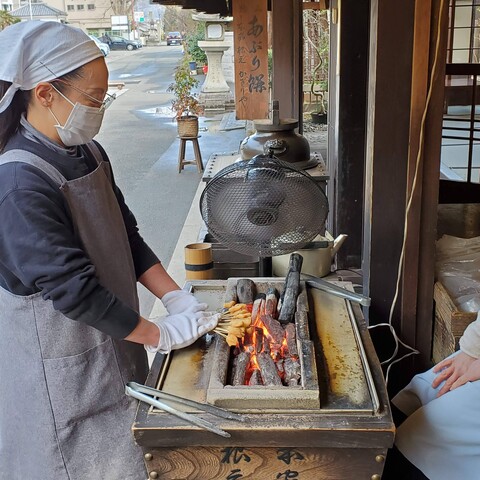
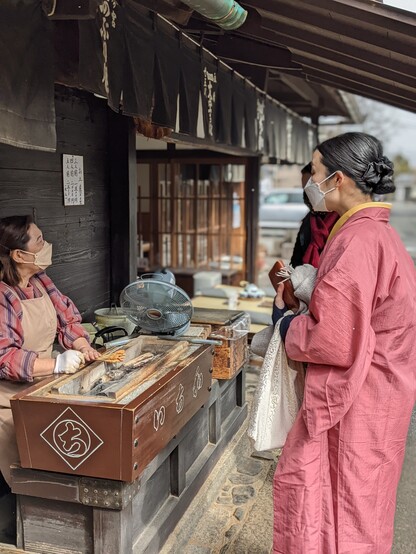
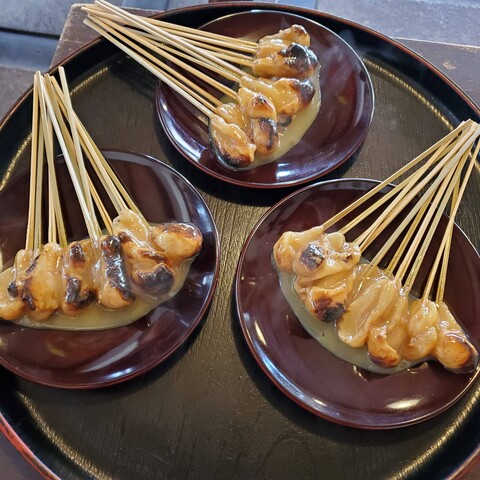
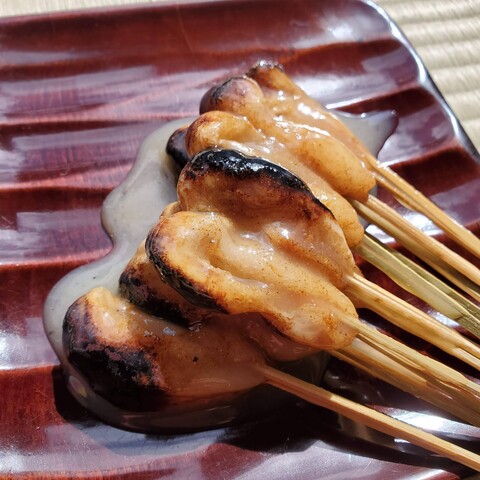
Aburi-mochi (あぶり餅) are single-bite rice cakes, skewered on slivers of bamboo.

Dusted with kinako (roasted soy flour), they are baked over a charcoal fire and served with a slathering of white miso sauce.

Each helping has 11 pieces, a number considered auspicious as it is not divisible.

#Kyoto #京都 #Imamiyajinja #今宮神社 #IchimonjiyaWasuke #一文字屋和輔 #mochi #aburimochi #あぶり餅
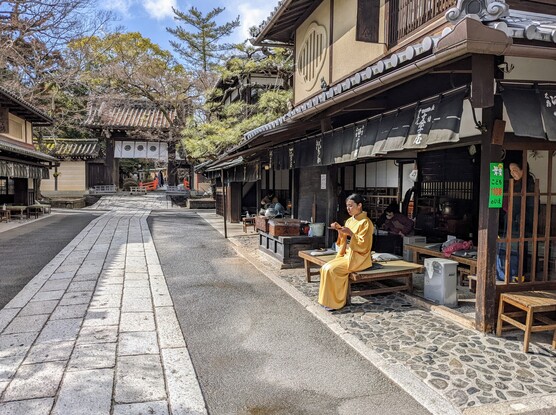
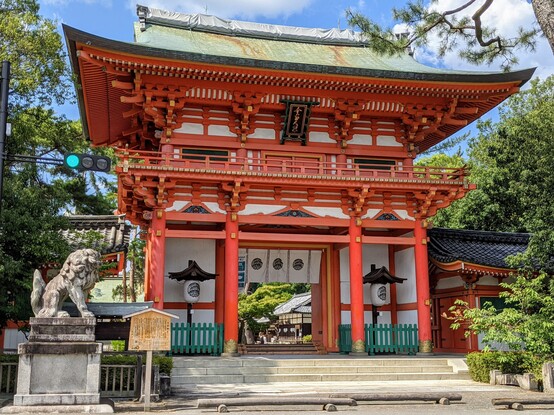
On the west approach to Imamiya-jinja (今宮神社) you will find two teahouses (茶屋 'chaya'), both serving aburi-mochi.

Ichiwa (一和), to the right, is by far the older establishment, appearing in the year 1000.
To the left is the newcomer, Kazariya (かざりや), founded in 1637.

Both stores have historically played slightly different roles.
For a long time Ichiwa provided mochi specifically for the gods of Imamiya-jinja and for its pilgrims.

#Kyoto #京都 #Imamiyajinja #今宮神社 #mochi #aburimochi #あぶり餅

For a long time Ichiwa provided mochi specifically for the gods of Imamiya-jinja and for its pilgrims.
In the Edo period, when rice became more affordable, Kazariya was opened (by Ichiwa) as a more general rest stop.

The aburi-mochi we eat today evolved from offerings first made at Imamiya-jinja.
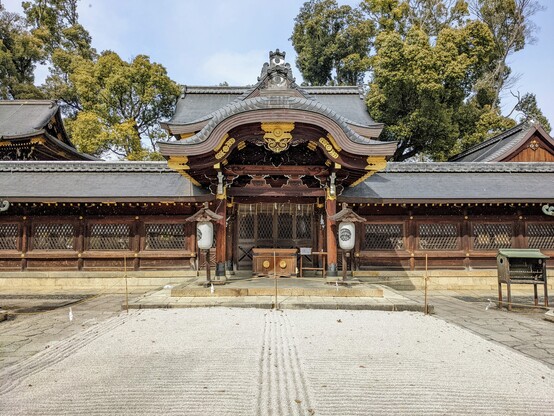
After a nasty epidemic in 994 the court funded expansion of an old shrine dedicated to the god of pestilence. Another epidemic in 1001 resulted in the shrine being rebuilt at its current location.

@camelliakyoto Interesting story and wonderful images. Thanks!