 𝚃𝚊𝚛𝚊𝚜 𝙶𝚛𝚎𝚜𝚌𝚘𝚎 🚇
"In a quality city, a person should be able to live their entire life without a car, and not feel deprived."
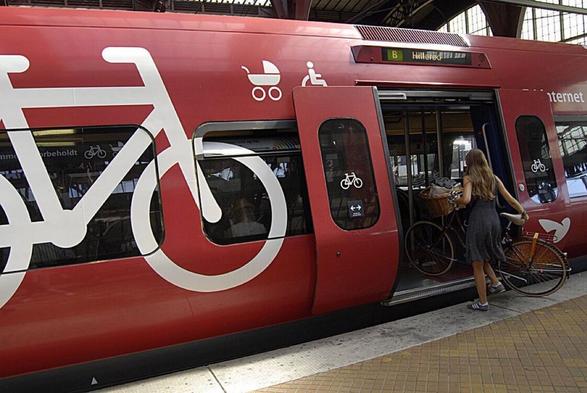
As Bedford points out, the opposite is also true:
"A good sustainability and quality of life indicator: the average amount of time spent in a car."
(Elevated time car-commuting time also turns out to be a reliable metric of social isolation and general life dissatisfaction.)

With Internet, society should be able to deprecate the "city". We don't all need to be stacked on top of each other, in homes, in cars, in subways and so on.
Doubt I will see it in my life time...
Quite funny to hear you say "good transport", with such a photo at the top of the thread.
Only a small handful of cities provide more than a handful of people with "good transport", or amenities for that matter. My current local village (~1500 households, but I used to live in massive cities before) is more than adequate, and provides a higher quality of life, with nature outside the window.
Sorry, I didn't scroll to "top", but meant the "traffic jam" photo.
Rural roads; Where I live (Sweden) many of the roads around me are private, i.e. we who need them "pay" for the upkeep. There is an association that does the maintenance of mainly gravel roads, by engaging members in the association to do the actual work (many of the members are farmers with the heavy machinery needed) cutting the cost to a fraction of what the State would have to pay.
 Niclas Hedhman
 Sarah Peper 🏳️⚧️🇺🇦
 Laust
Laust