In The Atlantic, I explained why I welcome the uproar over robotaxis in California.

Even if self-driving cars work flawlessly (which definitely isn't the case now), they could be a calamity for cities and the planet.

We should think long and hard before letting them scale.

THREAD

#AVs #sanfrancisco #transportation #cities

https://www.theatlantic.com/ideas/archive/2023/08/robotaxis-san-francisco-self-driving-car/674956/
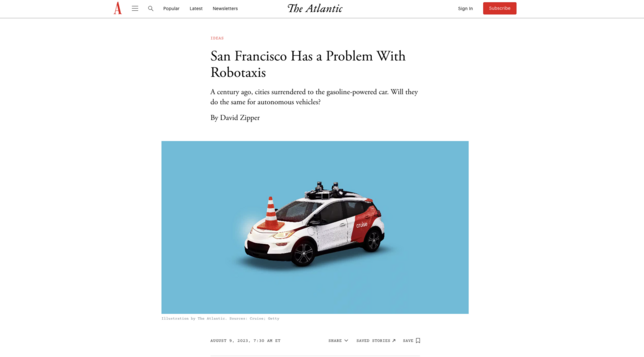
The Fight Against Robotaxis in San Francisco

A century ago, cities surrendered to the gasoline-powered car. Will they do the same for autonomous vehicles?

The Atlantic

Context:  

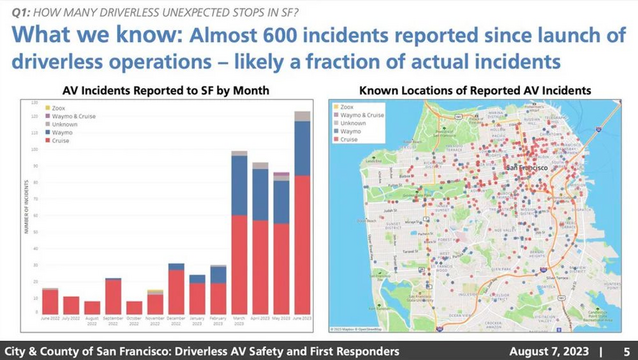
A few hundred robotaxis from Cruise and Waymo now ply SanFrancisco streets, providing trips akin to driverless Ubers.

Robotaxis remain a work in progress: They’ve run over firehoses, entered construction zones, delayed transit, and (frequently) blocked traffic.

Source: https://t.co/rHiwDGEyPp

Despite myriad problems, Waymo/Cruise are asking the five members of the California Public Utilities Commission (one of whom is ex-Cruise) to let them operate unlimited robotaxis 24/7, citywide.

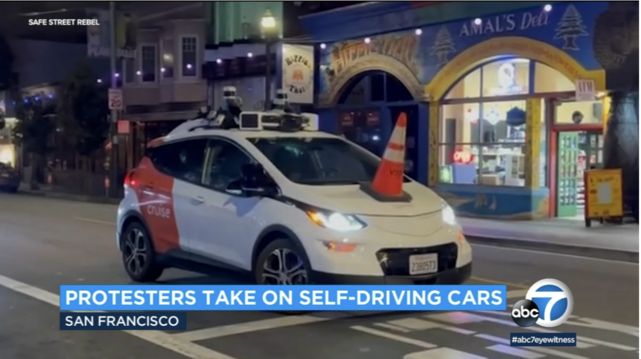
San Francisco public safety and transportation officials are adamantly opposed, as are grassroots activists who are freezing robotaxis with taxi cones.

https://abc7.com/san-francisco-driverless-car-cones-sf-robotaxi-waymo-cruise/13478843/

San Francisco group placing traffic cones on self-driving cars to disable them

The Safe Street Rebels, known for advocating for pedestrian safety and public transit usage, are calling their protest the "Week of Cone."

ABC7 Los Angeles

Much of the debate inCalifornia has revolved around robotaxi tech (which will improve) and safety impacts (which are unknown).  

But bigger questions are atstake. Consider Cruise’s internal goal of deploying *1 million* robotaxis by2032. How would that affect urban life?

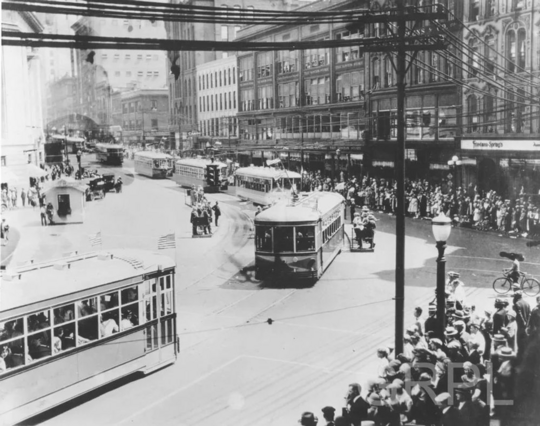
We should recall what happened a century ago, when cars arrived en masse.

US streets were redesigned for vehicle speed. Pedestrian deaths skyrocketed, sidewalks were ripped up, jaywalking was invented, and transit service collapsed.

We still suffer from those decisions.

If self-driving tech works, it could bring equally far-reaching changes.

Researchers gave test subjects full-time chauffeurs, mimicking robotaxi access. Driving skyrocketed 80%+. (Source: https://t.co/D42ZF4CGbO)

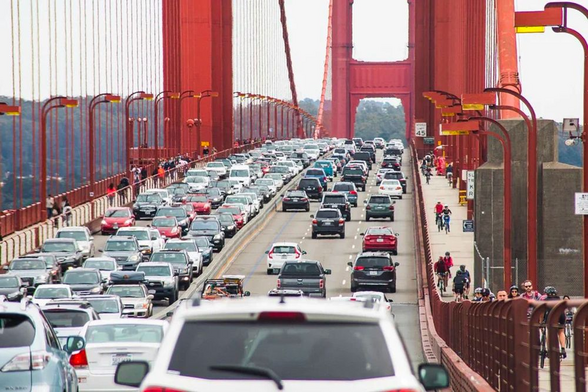
At scale, that suggests a huge spike in urban congestion & sprawl.

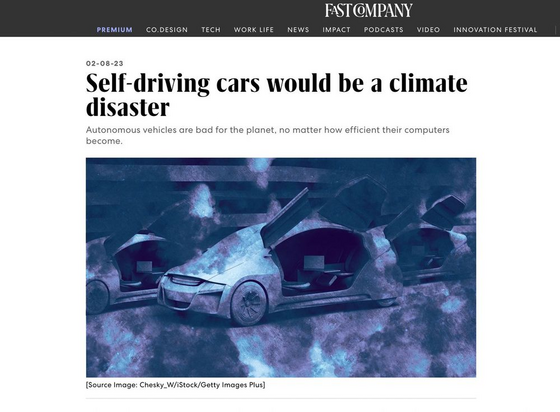
It gets worse. As self-driving cars induce more driving, they would accelerate emissions (even if cars are electric).

Info: https://t.co/MID1jvkI63

Zombie Miles And Napa Weekends: How A Week With Chauffeurs Showed The Major Flaw In Our Self-Driving Car Futur

A few years ago, Mustapha Harb realized there was a problem in his field of research about how autonomous cars will change the way people travel. The solution to the problem he settled on was as simple as it was revealing.

Jalopnik

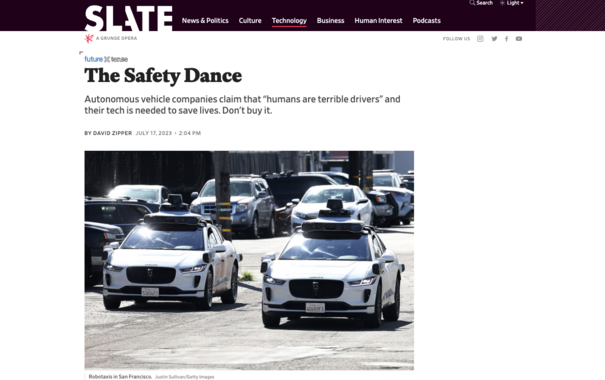
It’s possible -- though not at all certain – that a city full of robotaxis would be safer.

But if that’s the goal, why not weigh robotaxis against other (cheaper, more reliable) tactics to improve road safety, like building slower streets?

t.co/RlgbkukC6T

Before robotaxis are allowed to scale, we should carefully consider whether and how they fit within dynamic cities.

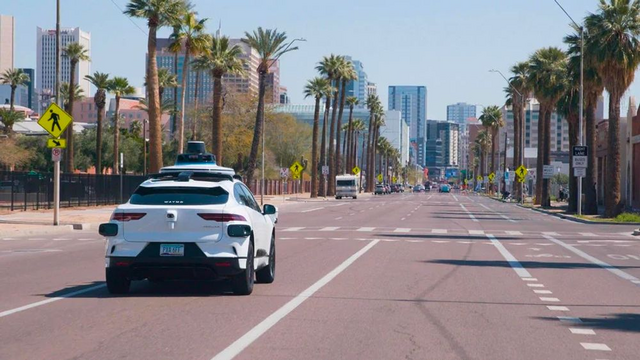
Perhaps these vehicles are a net plus in a sprawled, autocentric region like Phoenix, but not in a dense, multimodal city like San Francisco.

@davidzipper If this ends up being true, it will be a pretty bad thing--encouraging even more people to leave walkable areas and migrate to drivable ones.