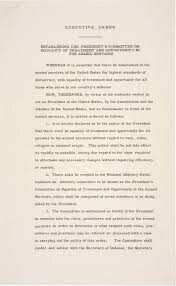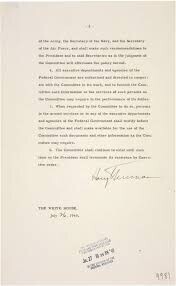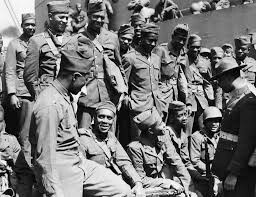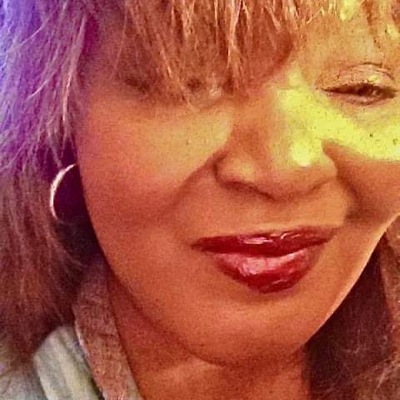
Issued on July 26, 1948, Harry Truman’s Executive Order 9981 eradicated segregation in military. The response from the military units, however, ranged from muted to outright hostility. This was no surprise. Truman’s decision & the reactions to it symbolized Black Americans’ broad struggle for dignity, respect, opportunity, and freedom in the United States of America.

1/

@[email protected] @BlackMastodon #BlackMastodon #Histodons #History #BlackMastodon #BlackHistory #Military #Truman #Missouri
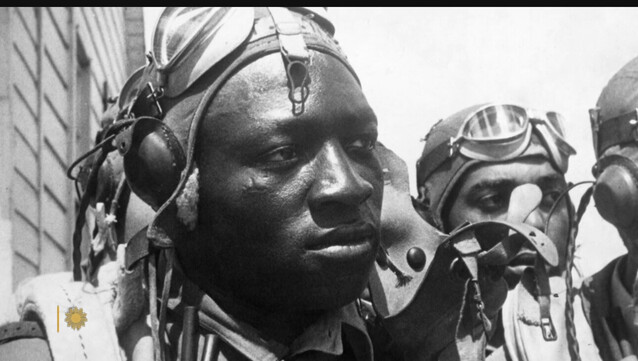
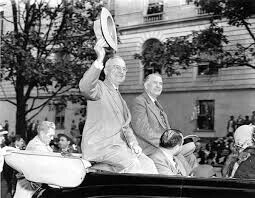
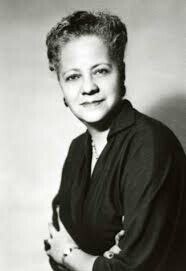
In the final days of the 1948 election, President Harry S. Truman made an historic campaign appearance in Harlem, becoming the first U.S. president to visit the symbolic capital of Black America. The invitation came from Anna Arnold Hedgeman, a Black American political operative who led his campaign's efforts to connect with the Black community.

2/

#BlackMastodon #Histodons #History #BlackMastodon #BlackHistory #Military #StillWeRise #Truman #Missouri

Truman's victory in the race was secured by a narrow margin nationwide, partly due to the support from the Black electorate and Hedgeman's efforts. However, his civil rights program faced significant obstacles and failed to gain traction. To effect change, Truman had to resort to executive orders, cajoling, and arm-twisting from that point onward.

3/

#BlackMastodon #Histodons #History #BlackMastodon #BlackHistory #Military #StillWeRise #Truman #Missouri

After issuing Executive Order 9981 to desegregate the armed forces, Truman began the hard work. To achieve full integration, Truman needed cooperation from the military's four branches.

In early 1949, he emphasized his desire for collaboration, stating, "I want the job done... and I want it done in a way so that everyone will be happy to cooperate to get it done."

4/

#BlackMastodon #Histodons #History #BlackMastodon #BlackHistory #Military #StillWeRise #Truman #Missouri

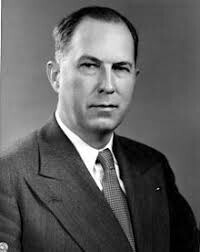
Citing concerns about national security and the potential impact on enlistments, reenlistments, and soldier morale. Kenneth Royall, the Secretary of the Army, asserted:

"The Army is not an instrument for social evolution."

Truman, steadfast in his commitment to full desegregation, forced Royall into retirement after he refused to comply with the order.

5/

#BlackMastodon #Histodons #History #BlackMastodon #BlackHistory #Military #StillWeRise #Truman #Missouri

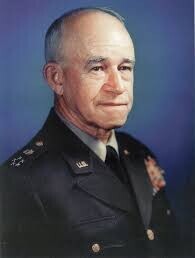
Gen. Omar Bradley, the Army chief of staff, stated, "The Army is not out to make any social reforms. The Army will put men of different races in different companies. It will change that policy when the nation as a whole changes it."

As the Army resisted, Truman's efforts could not take full effect immediately, and the implementation rolled out uneven across the services.

6/

#BlackMastodon #Histodons #History #BlackMastodon #BlackHistory #Military #StillWeRise #Truman #Missouri

By March of 1950, the U.S. Army tentatively agreed to integration across the entire service. In 1950, the Army abolished the enlistment quota on Black Americans, which had originally limited Black enlistment to 10 percent, and also agreed that all jobs within the Army would be opened based on qualifications, not race.

7/

#BlackMastodon #Histodons #History #BlackMastodon #BlackHistory #Military #StillWeRise #Truman #Missouri

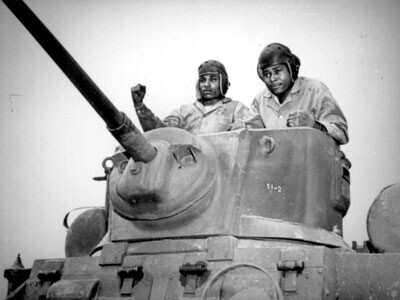
Beginning in September 1950, there were some limited experiments in integration within the Army. Black tank commanders, gunners, gun loaders, and drivers started serving with the 89th Medium Tank Battalion, while Black infantrymen were integrated into the 27th and 35th regiments of the 25th Division.

8/

#BlackMastodon #Histodons #History #BlackMastodon #BlackHistory #Military #StillWeRise #Truman #Missouri

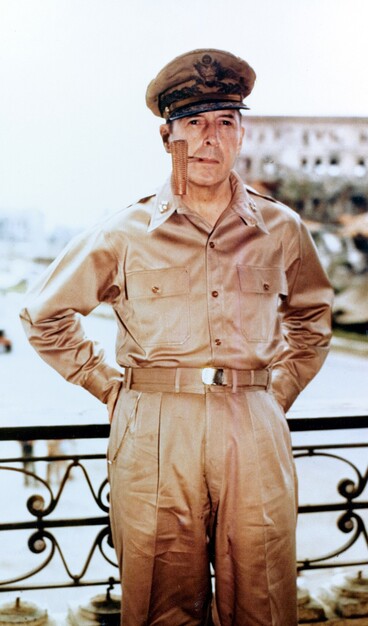
The demand for manpower also fueled a stronger push for integration from politicians in Washington, who increasingly viewed the Army's segregation as inefficient and costly. General Douglass MacArthur rebuffed such demands, arguing that such drastic changes during wartime were impractical. However, his dismissal by Truman in April 1951 for insubordination removed the final obstacle to integration.

9/

#BlackMastodon #Histodons #History #BlackMastodon #BlackHistory #Military #Truman #Missouri
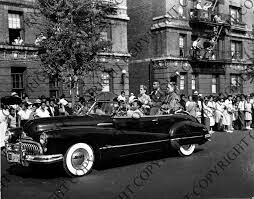
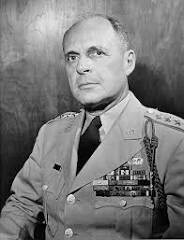
His successor, Lt. Gen. Matthew Ridgway, viewed segregation as "wholly inefficient" for military effectiveness and deemed it "both un-American and un-Christian." He promptly disbanded all-Black units and reassigned their men.

While Black troops supported integration, they were disheartened that only their divisions were disbanded, with all Black soldiers assigned to previously all-white units.

10/

#BlackMastodon #Histodons #History #BlackMastodon #BlackHistory #Military #Truman #Missouri
@Deglassco Am I right in understanding that their disappointment was due to the black soldiers being integrated into white units, with white commanders and no white soldiers being moved into black units, with black commanders? The politics of having white soldiers serve under a black command structure seems to have been neatly avoided by disbanding black units and folding them into white ones. While integrated units was a victory, equality of command seems to have been tactically delayed.