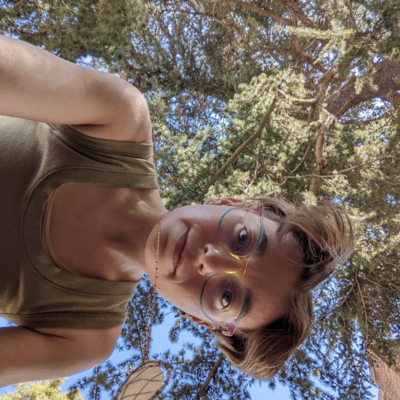
the case for antipodcastism: boycotting long-form & less-structured media as a personal policy

I used to love podcasts! my partner commented on me being the person who originally turned zir onto podcasts many years ago. at that time, I was listening to what I'd now classify as structured-form independent radio. the podcast market today is a different field than that of my old favorites from PRX or NPR. 🧵

today, the semantic conjuring of "podcast " connotes besties, or maybe a couple of dudes (rather than experts) getting together to discuss, debate, explain, or just hang together once every so often. there's nothing inherently wrong with that! but honestly, I hate listening to people talk.

as someone who struggles with CAP and is heavily fatigued by social interaction, it is energetically expensive and damn nonsensical to listen to the opinions of people I neither know personally nor care for.

A: do you like podcasts?
B: depends, sometimes
A: let me convince you why you should spend 74 minutes listening to this crappy one

A: what do you mean by X?
B: this podcast explains it better, I'll just send you the link

that's like

A: what do you do?
B: i'll just send you my advisor's dissertation, they explain it better than I can

I can appreciate deference to a source, but why would you defend an idea that you can't grasp well enough to distill?

in effort to stay open to diverse ideas, i've given many a referred pod a chance at the expense of precious health points and hours of my life. too often, I am alarmed at the rate of pods that don't bother to provide even automated episode transcripts on their websites (we HAVE the technology!). this is painfully easy, & makes content accessible to disabled AND abled audiences.

A: explaining the history of something I have studied
B: I heard that's a myth though
A: which part?
B: do you like podcasts?
A: but which part did you hear was a myth?
B: I sent you a link :)

scanning feverishly to guess the relevant part of the 60+ minute podcast, I find that the hosts:

a) are historically misinformed on Wikipediable facts, and
b) repeat misinformation about a cultural practice that belongs to a marginalized community, of which neither host was detectably a member

in what world is the presumption of an hour of someone's time to listen to audaciously un-fact-checked, barely edited spews an acceptable way to make an argument? the pod revolution may have broken down the gates to broadcasting, but it did NOT usher in a renaissance of ethical journalism.

in light of recent reflections, I have solidified my transition from pro to antipodcastism. sorry if you're mad about it.

do I like podcasts?
no.
but please feel free to summarize your point anytime. :)

epilogue:
this stance largely applies to video essays as well, but obviously not to multipost manifestos.
man contains multitudes.