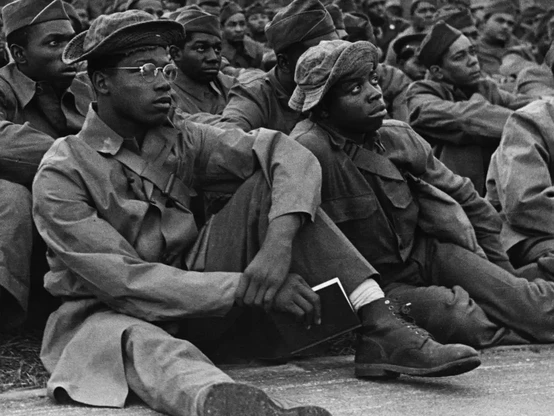
From the American Revolution onwards, Black Americans enthusiastically enlisted in the U.S. Armed Forces, hoping that service would validate their equality. But, they were soon confronted with the harsh truth of segregation & mistreatment during service. As the 20th century dawned, this injustice, abroad and at home, fueled a growing sense of race pride and consciousness.

1/

@[email protected] @BlackMastodon #BlackMastodon #Histodons #History #BlackMastodon #BlackHistory #Military #StillWeRise
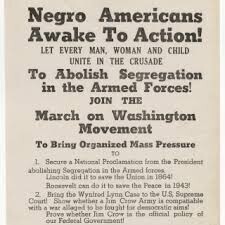
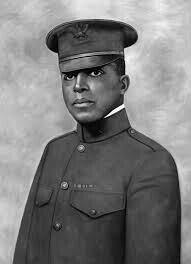
During World War I, the United States witnessed deep-rooted segregation both within the military and civilian society, posing barriers that hindered African Americans from enlisting. Despite these obstacles, approximately 380,000 African Americans valiantly served in the U.S. military during the war. One notable figure was Colonel Charles Young, the highest-ranking Black American Army officer in 1918.

2/

#BlackMastodon #Histodons #History #BlackMastodon #BlackHistory #Military #StillWeRise
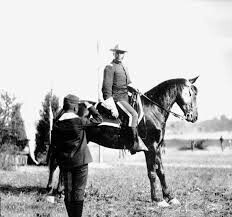
Despite his impressive leadership record, the Army denied Young's request to command troops in Europe. Determined to prove his fitness, Young embarked on a challenging horseback ride from his home in Wilberforce, OH, to D.C. But, his feat failed to sway the Secretary of War, & he was not given the opportunity to lead soldiers in Europe. Nonetheless, Col Young persisted in his fight for respect and recognition on the Homefront.

3/

#BlackMastodon #Histodons #History #BlackMastodon #BlackHistory

Charles Young was born in 1864 in May's Lick, Kentucky, under the bondage of slavery to parents Gabriel and Arminta. After his father's escape in 1865, he joined the Union Army, serving in the 5th United States Colored Heavy Artillery.

4/

#BlackMastodon #Histodons #History #BlackMastodon #BlackHistory #Military #StillWeRise
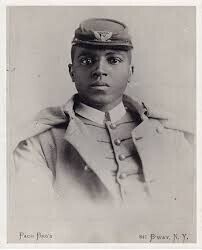
Following the war, the family relocated to Ripley, Ohio, where Charles was influenced by the town's culture of activism and self-improvement. Despite the restrictions on education for enslaved individuals in many southern states, Charles was inspired by his literate mother and grandmother to become a dedicated student.

5/

#BlackMastodon #Histodons #History #BlackMastodon #BlackHistory #Military #StillWeRise
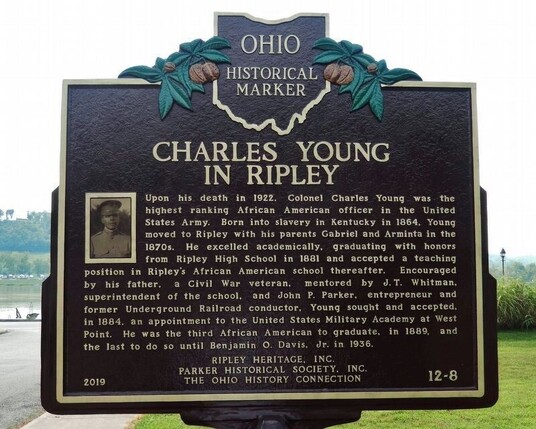
As a young man, Charles Young applied to the U.S. Military Academy at West Point, becoming one of the first ten African Americans to be admitted. Throughout his career, he served with the segregated 9th and 10th Cavalry regiments, leading Black American troops in various places, including Cuba, Haiti, the Philippines, Mexico, Africa, and the western United States.

6/

#BlackMastodon #Histodons #History #BlackMastodon #BlackHistory #Military #StillWeRise
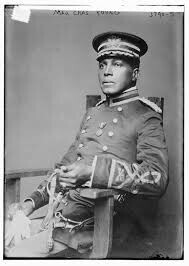
Notably, he became the first African American superintendent of a National Park while patrolling Sequoia National Park in California. In addition to his military service, Young taught military science at Wilberforce University in Ohio, where he collaborated with influential Black American thinkers .

7/

#BlackMastodon #Histodons #History #BlackMastodon #BlackHistory #Military #StillWeRise
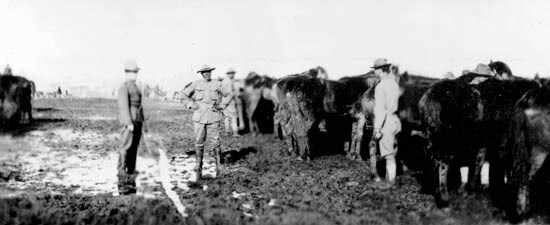
The First World War commenced in 1914, but the United States didn't enter until April 6, 1917. Once the U.S. joined the war effort, Black Americans eagerly volunteered to serve in the military, prompting questions about who would lead the Black American troops in Europe - men of color or white leaders?

8/

#BlackMastodon #Histodons #History #BlackMastodon #BlackHistory #Military #StillWeRise
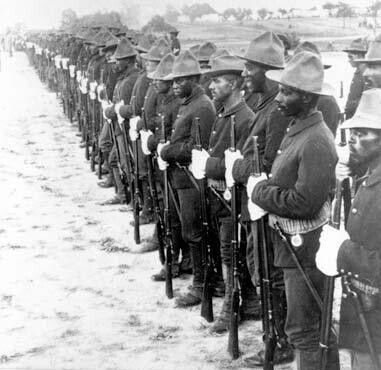
Colonel Young, aged 53, held the highest rank among Black American military officers in the country at that time. He and his supporters firmly believed that he should lead these soldiers. However, the Army officials disagreed and promoted Charles Young to the rank of Colonel in June 1917 but declared him physically unfit to command troops in World War I.

9/

#BlackMastodon #Histodons #History #BlackMastodon #BlackHistory #Military #StillWeRise
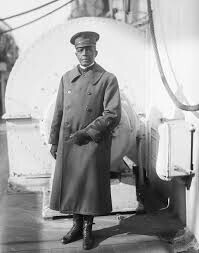
Refusing to accept this decision, Colonel Young insisted it was his duty to lead troops in France. He formally objected and provided documents to prove his physical fitness. Despite trying to appeal to senior government officials from his home in Ohio, he couldn't sway their decision.

10/

#BlackMastodon #Histodons #History #BlackMastodon #BlackHistory #Military #StillWeRise
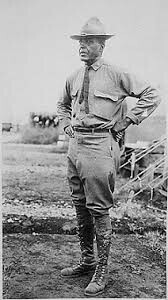
After a year of battling his case, Colonel Young embarked on a challenging 16-day horseback ride from Wilberforce to Washington D.C. in June 1918, covering 497 miles, equivalent to almost eight hours of driving by today's standards. Though exhausted upon his arrival, he was still in good health.

11/

#BlackMastodon #Histodons #History #BlackMastodon #BlackHistory #Military #StillWeRise
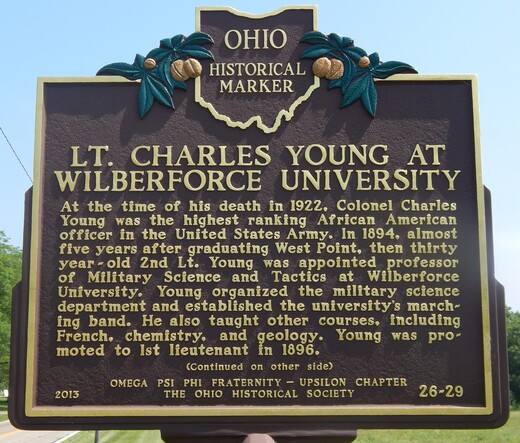
In the capital, Young met with Secretary of War Newton Baker, who remained unmoved even after seeing evidence of Young's fitness to command. Despite a lifetime of bravery and leadership and a remarkable show of strength, Colonel Young couldn't convince the U.S. Army to grant him a command in Europe. Nevertheless, he continued to serve in the Army, persevering despite discrimination and obstacles.

12/

#BlackMastodon #Histodons #History #BlackMastodon #BlackHistory #Military #StillWeRise
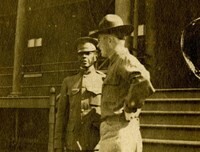
The Army assigned Colonel Young to a unit in Liberia, a country in Africa with historical ties to the United States, founded in 1847 as a new home for free Black Americans. Colonel Young passed away in Liberia on January 8, 1922, and the Army laid him to rest in Arlington National Cemetery.

13/

#BlackMastodon #Histodons #History #BlackMastodon #BlackHistory #Military #StillWeRise
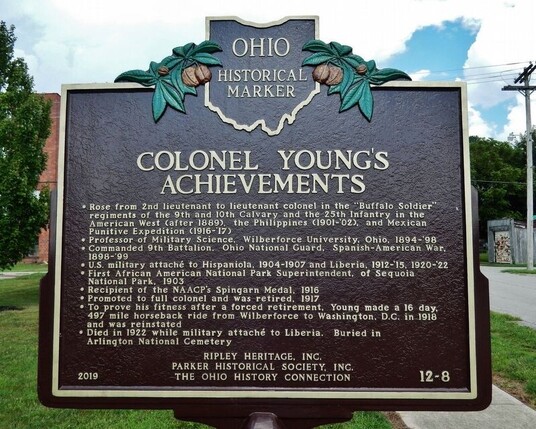
Colonel Young's remarkable ride showcased his strength, patriotism, and ability to confront adversity. He challenged those who deemed themselves superior to him based on their race. His experience was not unique. Many Black American soldiers who served in World War I also faced racism within the Army and upon their return home.

14/

#BlackMastodon #Histodons #History #BlackMastodon #BlackHistory #Military #StillWeRise
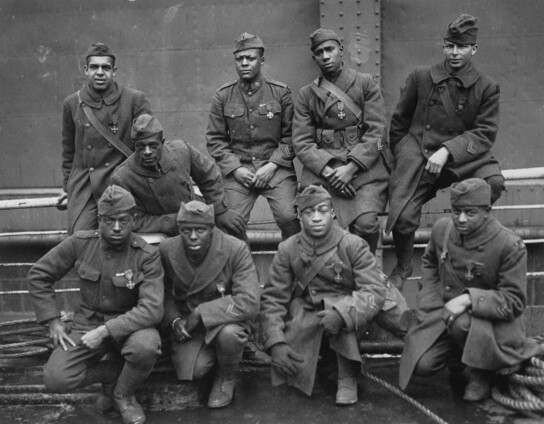
Some Black American World War I veterans fell victim to racial violence, with several being lynched without trial by mobs after the war. This kind of terrorism was resulted in the murders of hundreds of Black Americans in 1919.

15/

#BlackMastodon #Histodons #History #BlackMastodon #BlackHistory #Military #StillWeRise
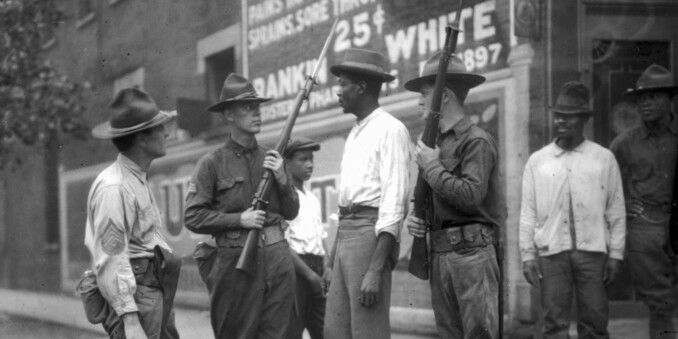
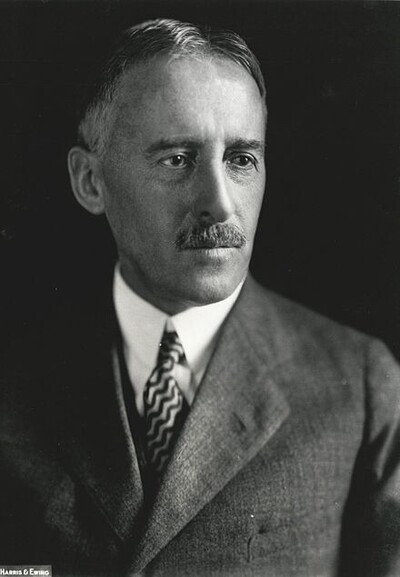
Twenty years after Colonel Young's death, in September 1940, the Selective Training and Service Act became the nation's 1st peacetime draft law. Civil rights leaders urged President Franklin D. Roosevelt to allow Black men the opportunity to register and serve in integrated regiments. However, FDR's appointee, Secretary of War Henry Stimson, showed no interest in altering the existing segregated system.

16/

#BlackMastodon #Histodons #History #BlackMastodon #BlackHistory #Military #StillWeRise
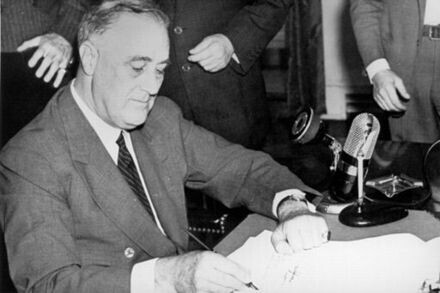
Amid the growing intensity of war in Europe, FDR reached a compromise, permitting Black men to register for the draft but maintaining segregation within the military. The military would determine the number of Black individuals inducted into the service.

17/

#BlackMastodon #Histodons #History #BlackMastodon #BlackHistory #Military #StillWeRise
This compromise encapsulated the paradoxical experience faced by the 1.2 million Black American men who served in World War II. They fought for democracy overseas while enduring second-class treatment in their own country. Despite their eagerness to serve, Jim Crow discrimination persisted in society and permeated every branch of the armed forces.

18/

#BlackMastodon #Histodons #History #BlackMastodon #BlackHistory #Military #StillWeRise
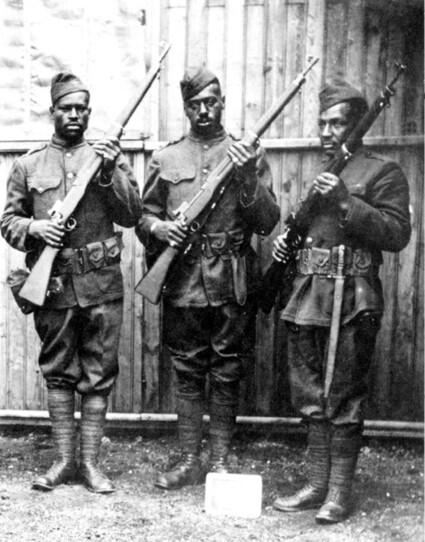
The bases and training facilities, predominantly located in the South, including Fort Huachuca in Arizona, the largest military installation for Black soldiers, practiced segregation with separate blood banks, hospitals, medical staff, barracks, and recreational facilities. White soldiers and local residents frequently subjected them to slurs and harassment.

19/

#BlackMastodon #Histodons #History #BlackMastodon #BlackHistory #Military #StillWeRise
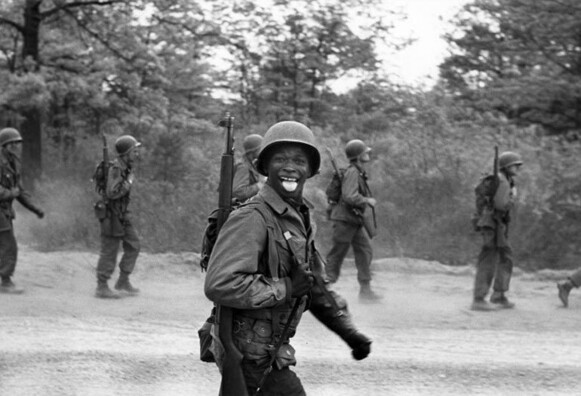
The mistreatment by white officers at army bases was appalling, with reports of slave-like conditions and dehumanizing treatment. Racial epithets were regularly hurled, denying them the respect they deserved as both soldiers and human beings.

20/

#BlackMastodon #Histodons #History #BlackMastodon #BlackHistory #Military #StillWeRise
@Deglassco On which subject, have you done a thread on the Battle of Bamber Bridge?
@HighlandLawyer No, but it’s on my radar.