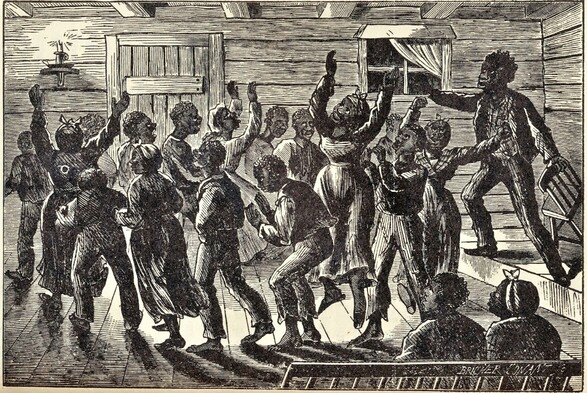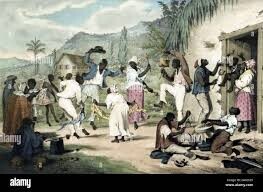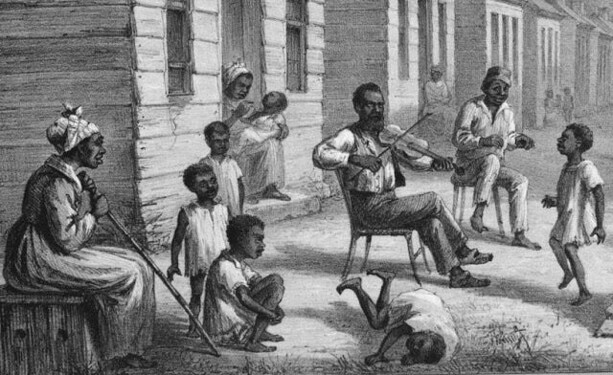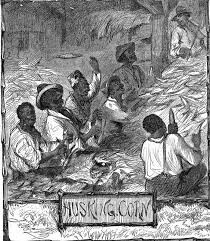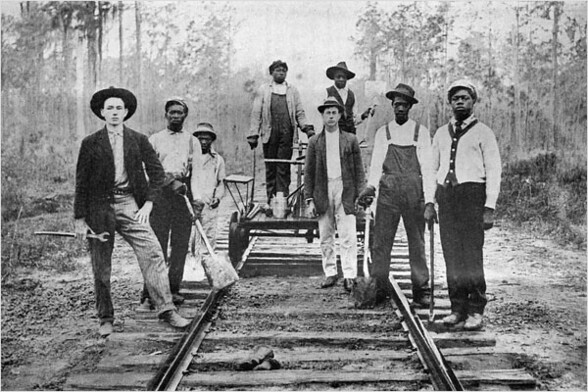
Black-American musical expression during enslavement laid the foundation for blues, jazz, country, gospel, rock ‘n’ roll, R&B, & popular music. Emerging from oppression, it reflected resilience & creativity, becoming anthems for civil rights movements the world over. The emotive force and cultural distinctiveness of those early songs endure, nurturing the ongoing struggle for a more just world.

1/

@[email protected] @BlackMastodon #BlackMastodon #Histodons #History #BlackMastodon #Slavery #Music
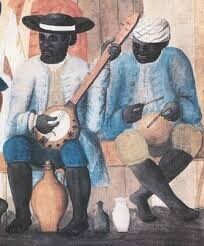
All African tribal groups brought to the New World as slaves shared a common cultural trait: music played an essential role in every aspect of life. It was present during play, work, mourning, and worship, blurring the lines between these purposes. Creating music was a communal effort, with everyone contributing according to their abilities.

2/

#Histodons #History #BlackMastodon #StillWeRise #BlackHistory #Slavery #Music

Even after Africans were forcibly taken from their homes and forced to adapt to a foreign land and culture, music remained central to their lives. Their songs encompassed work, dance, and worship music, forming distinct categories.

3/

#Histodons #History #BlackMastodon #StillWeRise #BlackHistory #Slavery #Music

Throughout history, despite the challenges of slavery, the slaves developed a new communication system through these songs. Over time, these musical expressions became the foundation of Black American music, uniting the Black community during years of struggle and hardship.

Subsequent generations built upon this foundation, eventually giving rise to what we now know as Black American culture.

4/

#Histodons #History #BlackMastodon #StillWeRise #BlackHistory #Slavery #Music

Enslaved people sang work songs while laboring on railways, cutting woods, and clearing bushes for their masters. These songs served as a way to alleviate boredom, express emotions, frustrations, and dreams of freedom. The lyrics provided insights into their harsh life, reflecting on deaths, punishments, starvation, and family separation.

5/

#Histodons #History #BlackMastodon #StillWeRise #BlackHistory #Slavery #Music

Work songs became a means of covert communication among slaves, using coded messages to mock their masters. These songs fostered a strong bond among the slaves, and they sang together in groups, with a leader starting the line and others repeating it as a chorus. This communal singing improved their coordination and enhanced the effectiveness of their tasks, especially during heavy labor involving dangerous tools.

6/

#Histodons #History #BlackMastodon #BlackHistory #Music #Histodons #History

@Deglassco thank you for another interesting thread.

I really struck by the fact that it enhanced effectiveness, especially with dangerous labour. Naïvely, I would have expected it to be done to slow down the line, sabotage the work to some degree or at least get some measure of control. It is what sweated labour does. Presumably the key here is that the tools used were dangerous. If you have the time, could you explain the link for me?

@RobertoArchimboldi I imagine it synchronized the repetitive tasks and made one less likely to think about the physical toil and time. Brought about a sense of camaraderie and shared struggles. In its own way, this is a way to subvert the will of the oppressor---survive.
@Deglassco thank you. That makes sense, like you are at a level of oppression where continuing to be is itself an act of resistance