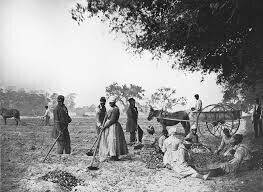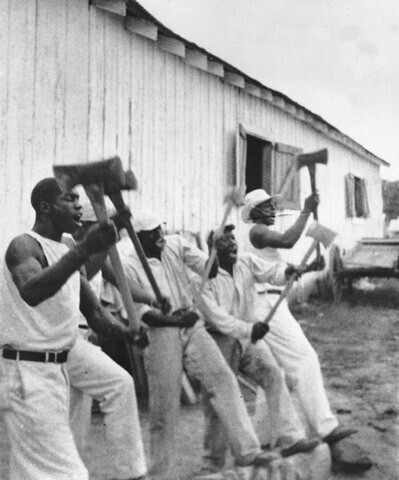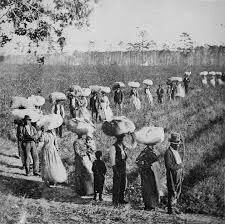
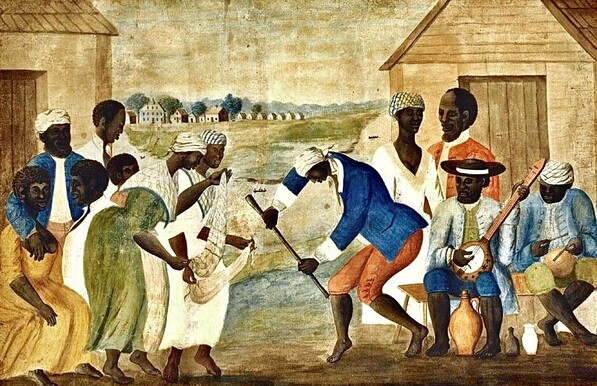
Field hollers, work songs, shouts, & cries held immense significance for enslaved Black Americans. Sounding like noise to slaveowners, these songs conveyed secrets through encrypted codes, retold Bible stories, or offered solace. They bore witness to the resilience & endurance of the enslaved, forging a legacy that impacts musicians worldwide.

1/

https://youtu.be/C-zlSq4mWiE

https://youtu.be/ZPrZ-YsD6sc

@[email protected] @BlackMastodon #BlackMastodon #Histodons #History #BlackMastodon #Slavery #Music
I Be So Glad... When The Sun Goes Down

YouTube

Around 1860, the United States had approximately 4,000,000 slaves. Among the 15 slaveholding States, there were 12,210,000 inhabitants, with 8,039,000 being White, 251,000 free colored persons, and 3,950,000 being slaves. The American South, relying on slave labor, played a significant role in global cotton production during that era.

2/

#BlackMastodon #Histodons #History #BlackMastodon #StillWeRise #BlackHistory #Slavery #Music

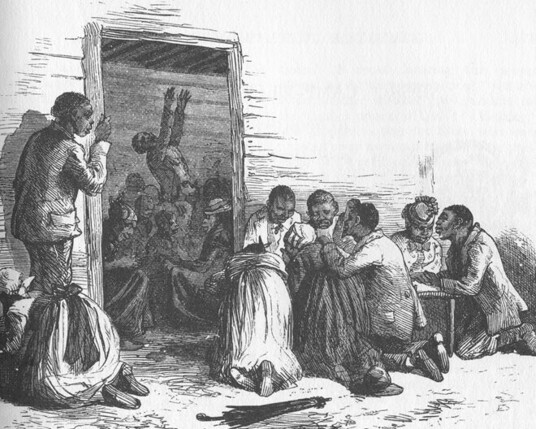
Despite enduring back-breaking, sun-up-to-sundown hard labor, slaves had to find some solace in their lives. Stripped of everything they owned, they displayed remarkable resilience, intertwining their culture into their newly acquired lifestyle. Religion served as a strong force, allowing them to preserve essential aspects of their cultural identity.

3/

#BlackMastodon #Histodons #History #BlackMastodon #StillWeRise #BlackHistory #Slavery #music

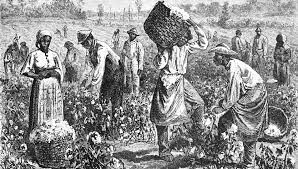
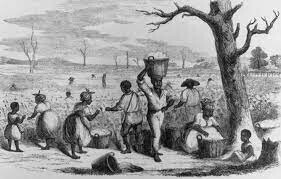
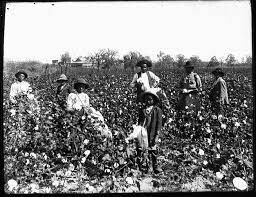
As Black Americans toiled in the cotton, tobacco , and rice fields, work songs and field hollers provided a lifeline of emotional release and camaraderie. Each holler, shout, and cry conveyed different messages, often acting as encrypted codes, retelling Bible stories, and delivering messages of hope.

4/

#BlackMastodon #Histodons #History #BlackMastodon #StillWeRise #BlackHistory #Slavery

Beyond their musical function, these songs became a powerful deliverance from despair, offering solace and a sense of community amidst the dehumanizing conditions of slavery.

Indeed, many work songs and field hollers originated from religious influences, while others conveyed intense emotions through stories of their life experiences. Shouts, calls, and hollers, however, had distinct purposes.

5/

#BlackMastodon #Histodons #History #BlackMastodon #StillWeRise #BlackHistory #Slavery

Shouts and calls were often directed at specific individuals or to signal important messages, even encoded information about the proximity of a white owner. On the other hand, hollers were more general expressions, not targeted at anyone or anything in particular.

6/

#BlackMastodon #Histodons #History #BlackMastodon #StillWeRise #BlackHistory #Slavery

From the 17th to the 19th centuries, labor and field songs emerged, evolving into a unique musical style within the African Diaspora. They were deeply rooted in the oral tradition of African music, sung by slaves during plantation work, communal worship, or social gatherings.

7/

#BlackMastodon #Histodons #History #BlackMastodon #StillWeRise #BlackHistory #Slavery

Work songs, enriched with biblical parables, coded messages, and motivational lyrics, served to pass the time during mundane tasks like harvesting and planting. These songs combined singing with rhythmic and physical activities, also being used to wake up sleepy fellow slaves or to express emotions while working.

8/

#BlackMastodon #Histodons #History #BlackMastodon #StillWeRise #BlackHistory #Slavery

Hollers, filled with meaningful sounds, accompanied by rhythmic movements and powerful words, could be heard by those in close proximity. Working and singing became intertwined, contributing to the continuity of the African diaspora. Hollers and other empowering musical forms became the building blocks for future generations to embrace and carry on the freedom struggle.

9/

#BlackMastodon #Histodons #History #BlackMastodon #StillWeRise #BlackHistory #Slavery

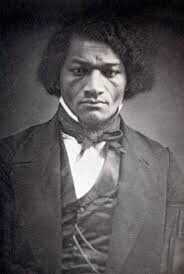
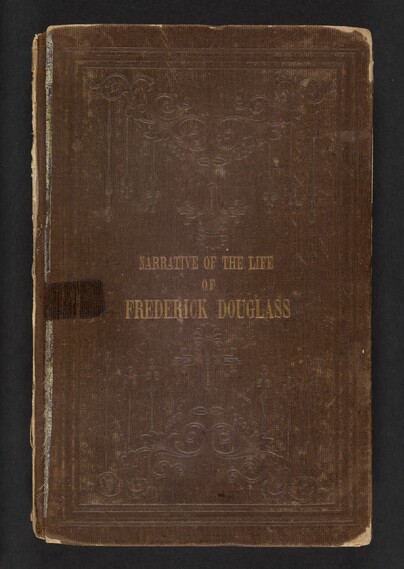
In “Narrative of the Life of Frederick Douglass, an American Slave,“ Frederick Douglass writes expressively of these heartrending lamentation:

“The slaves selected to go to the Great House Farm, for the monthly allowance for themselves and their fellow-slaves, were peculiarly enthusiastic.”

10/

#BlackMastodon #Histodons #History #BlackMastodon #StillWeRise #BlackHistory #Slavery

“While on their way, they would make the dense old woods, for miles around, reverberate with their wild songs, revealing at once the highest joy and the deepest sadness.”

“They would compose and sing as they went along, consulting neither time nor tune. The thought that came up, came out—if not in the word, in the sound;—and as frequently in the one as in the other.”

11/

#BlackMastodon #Histodons #History #BlackMastodon #StillWeRise #BlackHistory #Slavery

@Deglassco #alt4you A photograph of a very worn book cover. Titled “Narrative of the Life of Fredrick Douglass”