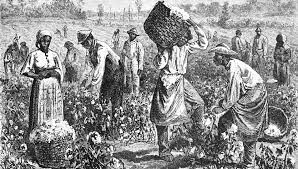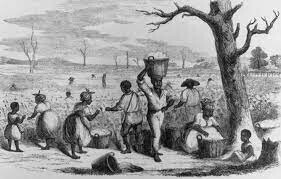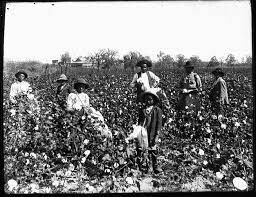
Field hollers, work songs, shouts, & cries held immense significance for enslaved Black Americans. Sounding like noise to slaveowners, these songs conveyed secrets through encrypted codes, retold Bible stories, or offered solace. They bore witness to the resilience & endurance of the enslaved, forging a legacy that impacts musicians worldwide.

1/

https://youtu.be/C-zlSq4mWiE

https://youtu.be/ZPrZ-YsD6sc

@[email protected] @BlackMastodon #BlackMastodon #Histodons #History #BlackMastodon #Slavery #Music
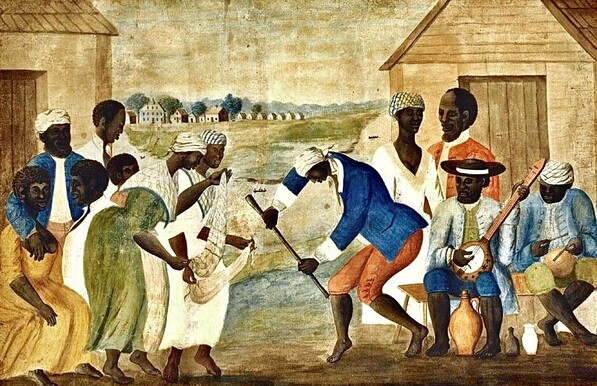
I Be So Glad... When The Sun Goes Down

YouTube

Around 1860, the United States had approximately 4,000,000 slaves. Among the 15 slaveholding States, there were 12,210,000 inhabitants, with 8,039,000 being White, 251,000 free colored persons, and 3,950,000 being slaves. The American South, relying on slave labor, played a significant role in global cotton production during that era.

2/

#BlackMastodon #Histodons #History #BlackMastodon #StillWeRise #BlackHistory #Slavery #Music

Despite enduring back-breaking, sun-up-to-sundown hard labor, slaves had to find some solace in their lives. Stripped of everything they owned, they displayed remarkable resilience, intertwining their culture into their newly acquired lifestyle. Religion served as a strong force, allowing them to preserve essential aspects of their cultural identity.

3/

#BlackMastodon #Histodons #History #BlackMastodon #StillWeRise #BlackHistory #Slavery #music

As Black Americans toiled in the cotton, tobacco , and rice fields, work songs and field hollers provided a lifeline of emotional release and camaraderie. Each holler, shout, and cry conveyed different messages, often acting as encrypted codes, retelling Bible stories, and delivering messages of hope.

4/

#BlackMastodon #Histodons #History #BlackMastodon #StillWeRise #BlackHistory #Slavery

@Deglassco #alt4you
Black and white photograph of enslaved Black American in cotton field. One of them looks to be a child