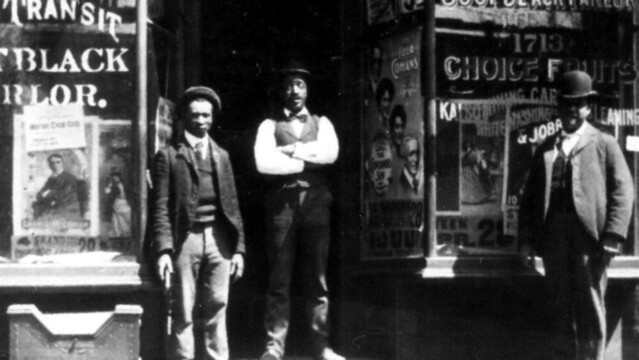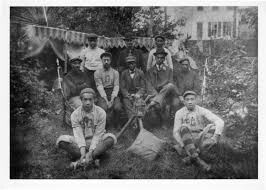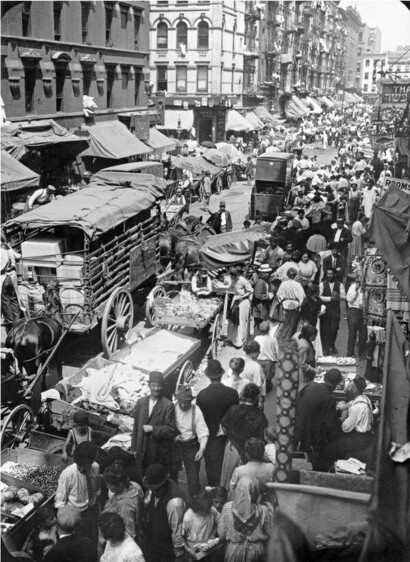
“For the horrors of the American Negro’s life,” wrote James Baldwin in 1962, “there has been almost no language.” The history is clear. America gave Black Americans nothing. What freedom we have was earned through blood, toil, grit, perseverance, & courage. After the deadliest insurrection in American history, Black-New Yorkers rebuilt their lives, shaped their destinies & contributed to the ongoing freedom struggle.

1/

@[email protected] @BlackMastodon #BlackMastodon #Histodons #History #NYC
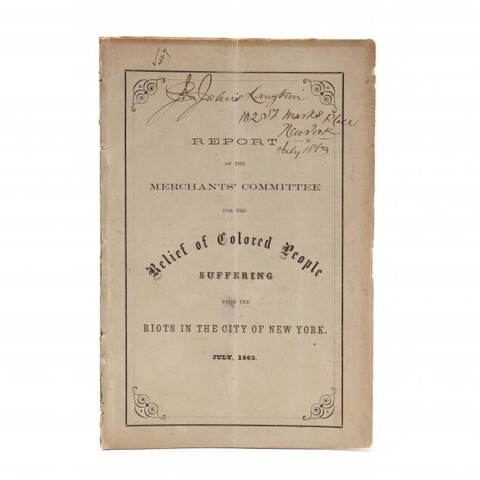
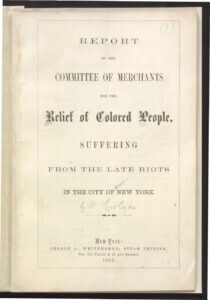
In the aftermath of the NYC draft riots, white merchants joined forces to raise funds for the care of the injured, repair of damages, and support for the legal and employment needs of the terrorized Black community. The fundraising effort exceeded $40,000.

They sought help from the county and enlisting the aid of lawyers and ministers to support survivors and encourage businesses to rehire Black employees despite fears of retaliation.

2/

#BlackMastodon #Histodons #History #NYC #BlackHistory
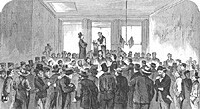
As funds were disbursed, applicants flooded Fourth Street near Broadway on July 25, 1863. Donors ensured a stress-free process, with clerks showing kindness and no intrusive questioning. Recipients were encouraged to return if further assistance was needed. In the first month alone, 6,392 people were helped, including their children, totaling 12,782 individuals from various professions and backgrounds.

3/

#BlackMastodon #Histodons #History #NYC #BlackHistory #StillWeRise
Black ministers and community members expressed gratitude to the merchants, acknowledging their selfless courage in coming to their relief amid the threat to their own lives and property. The Black community turned to newspapers like the Anglo-African for information on aid and as a platform for community leaders to address the violence that had transpired.

4/

#BlackMastodon #Histodons #History #NYC #blackandwhite #BlackHistory #StillWeRise
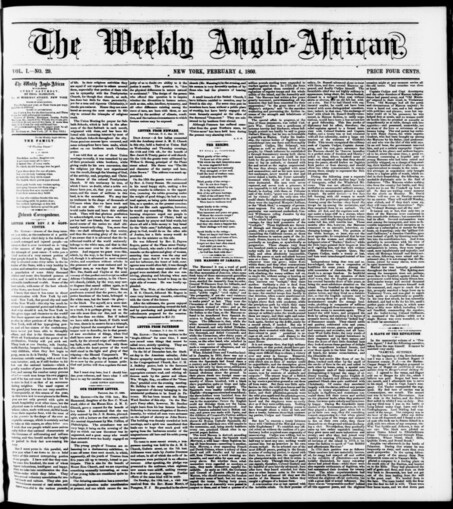
The Anglo-African, a prominent Black newspaper in New York, became a target for the white mob but resumed publication to provide accounts of the riots and the subsequent formation of the Committee of Merchants, a charity established to assist Black victims.

The Anglo-African published a "List of Colored Sufferers from the Late Mob" in August, featuring over 200 names and estimated property damages ranging from $5.00 to $9,150.

5/

#BlackMastodon #Histodons #History #NYC #blackandwhite
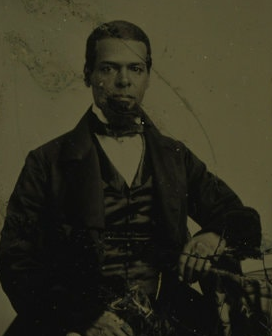
Albro Lyons, a prominent Black merchant, submitted a claim for reparations after his family's home was looted and severely damaged.

While the Lyons family received $2,000 and their claims were believed, many others seeking compensation faced accusations of falsehood from the police and the city administration.

6/

#BlackMastodon #Histodons #History #NYC
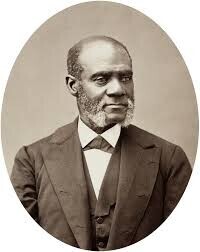
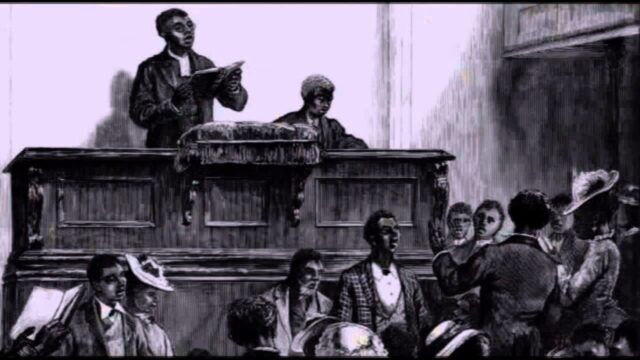
Black churches played a crucial role in the relief and recovery efforts following the riots. Shiloh Presbyterian Church, led by Reverend Henry Highland Garnet since 1857, became a center for outreach. Garnet, a former slave who rose to prominence as an anti-slavery advocate, organized the collection and distribution of supplies, made house visits, and acted as a voice for the Black community.

7/

#BlackMastodon #Histodons #History #NYC #blackandwhite #BlackHistory #StillWeRise
Garnet wrote a letter, co-signed by prominent members of New York's Black clergy, that thanked the Merchant's Committee for their aid and support. The letter also highlighted that the concern shown by white sympathizers was late in coming and provided recommendations for ongoing support to the Black community.

8/

#BlackMastodon #Histodons #History #NYC
Garnet and other Black clergy emphasized the assistance and support provided by Irish neighbors and organizations, placing more blame on anti-war Democratic politicians and pro-Confederate newspapers for deliberately inciting violence.

According to accounts from Black clergy, warnings of increasing tension, insults, and threats from white neighbors had been ignored by authorities for over a year leading up to the riots.

9/

#BlackMastodon #Histodons #History #NYC #blackandwhite #StillWeRise
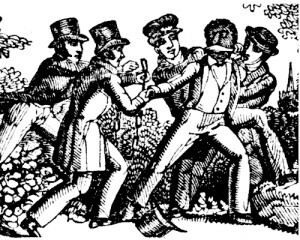
Black New Yorkers frequently sought redress from the police after being assaulted and abused in the streets, but no arrests were made. This highlighted the longstanding neglect and mistreatment experienced by the Black community at the hands of authorities.

In response to the lack of police action and incidents of self-defense during the riots, the Black press called for arming and organizing the community to prevent future violence.

10/

#BlackMastodon #Histodons #History #NYC
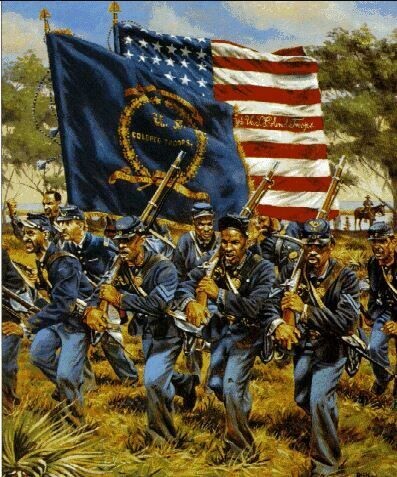
Community leaders seized the opportunity to renew demands for Black men to be allowed to enlist in the state's military units.

As Black men were not yet citizens, their eligibility for service depended on the states. Governor Horatio Seymour, under mounting political pressure, eventually approved the formation of three colored regiments, funded by the Union League Club.

11/

#BlackMastodon #Histodons #History #NYC #blackandwhite #BlackHistory #StillWeRise
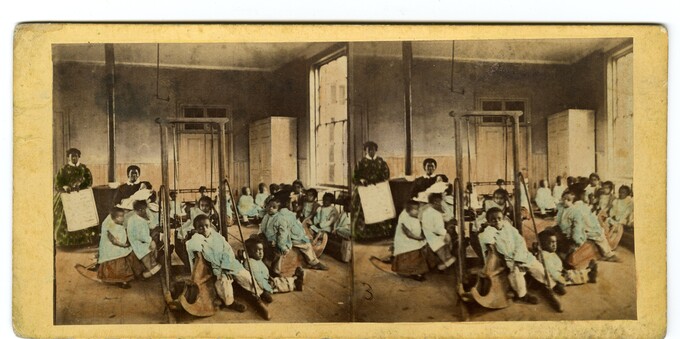
In the aftermath of the riots, memorial services were held in repaired Black churches to honor the victims, and funds were raised for the reconstruction of sites lost to mob violence, including the Colored Orphan Asylum. Black community leaders, such as Henry Highland Garnet, used their growing influence to strengthen alliances and advocate for the rights and protections of Black New Yorkers.

12/

#BlackMastodon #Histodons #History #NYC #blackandwhite #BlackHistory #StillWeRise
Despite appeals to return home in the Black press, many refugees of the Draft Riots were unable or unwilling to resettle in Manhattan. Landlords and employers, fearing future unrest, refused to rent to or hire Black applicants. Consequently, throughout 1863, a significant exodus of Black families continued, leading to a 20 percent decline in the Black population of New York by 1864, reaching its lowest level since 1820.

13/

#BlackMastodon #Histodons #History #NYC #blackandwhite #BlackHistory
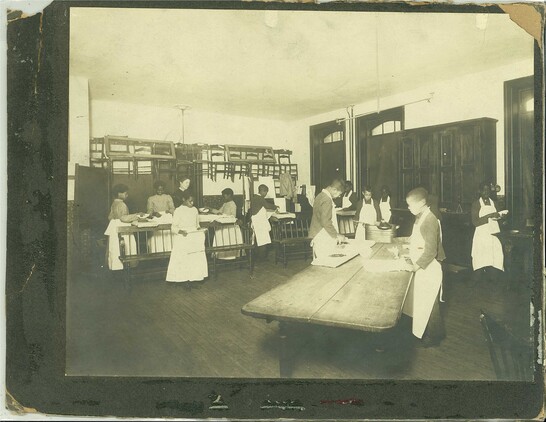
The overwhelmed and outnumbered NYC police force during the riots led to the calling of militias, but most men were already sent to Pennsylvania. It took three days for the National Guard, sent by the Secretary of War, to enter the city and restore order.

With over 6,000 troops patrolling, they opened fire on the mobs, resulting in deaths of those who resisted.

14/

#BlackMastodon #Histodons #History #NYC
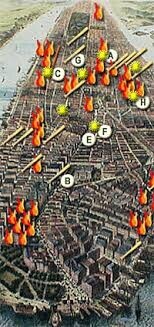
The exact number of black men and women who were beaten, lynched, drowned, or killed remains unknown, but the violence was mostly confined to Manhattan.

15/

#BlackMastodon #Histodons #History #NYC
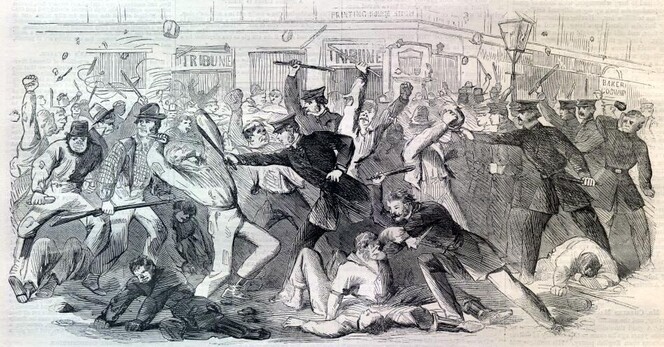
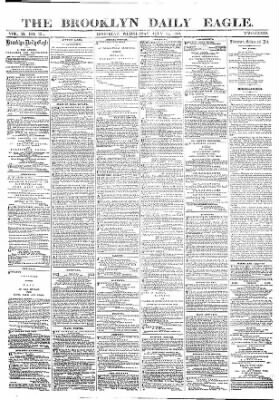
Brooklyn remained relatively calm during the riots. The Brooklyn Eagle provided detailed descriptions of the violence, prompting readers to either seek refuge in cellars or, depending on their inclinations, join the rioters.

Given that there were no bridges connecting Brooklyn to Manhattan at the time, those who wanted to participate in the riots had to be particularly determined, as they had to take a ferry to reach Manhattan.

16/

#BlackMastodon #Histodons #History #NYC #blackandwhite
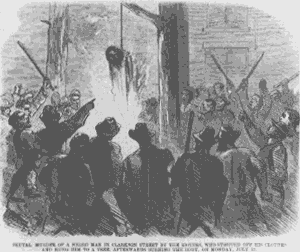
Brooklyn served as a refuge for fleeing Black Americans, with many settling in Williamsburg and being sheltered and protected by the German immigrant community.

Others sought safety in Weeksville.. In response to reports of a mob from Jamaica, Queens planning to attack Brooklyn, white citizens organized to maintain order and additional deputy sheriffs were sworn in. While the mob caused significant damage in Queens, they never arrived in Brooklyn.

17/

#BlackMastodon #Histodons #History #NYC
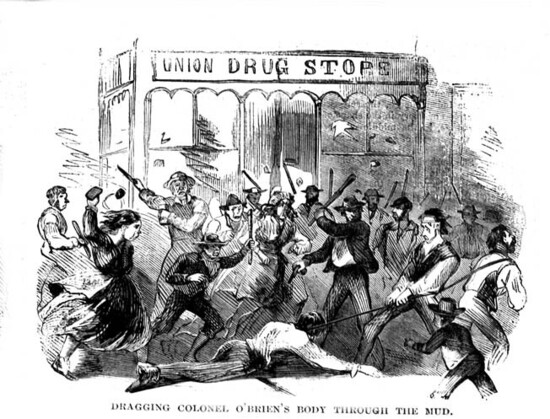
The black population in NYC suffered a significant loss, with many residents choosing not to return to Manhattan. Brooklyn became a haven for some, while others left the state entirely. It would take years for the black population to recover and grow again.

Also, the riots permanently altered the composition of certain job sectors, such as dock workers & stevedores, which were no longer predominantly filled by black workers.

18/

#BlackMastodon #Histodons #History #NYC
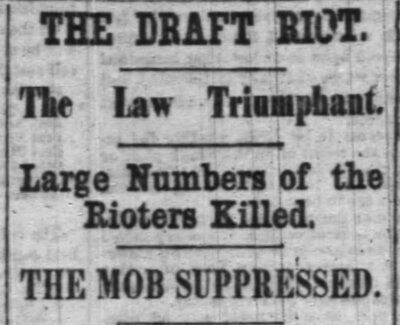
The riots did bring about some positive changes. The city's elite were forced to acknowledge the plight of the poor and initiate social reforms. New tenement laws were enacted in 1867 to address overcrowding and improve living conditions, marking the beginning of housing reform efforts.

Committees were formed to investigate the causes of the riots, and charities gained prominence as the wealthy and elite became more involved in philanthropy.

19/

#BlackMastodon #Histodons #History #NYC
@Deglassco Do you publish on a blog as well, Elisabeth?
@gdeihl I do cover some things on Substack when I have time.
@Deglassco I'm there, too, writing about the #ClimateEmergency. I'll look for you when I come up for air.