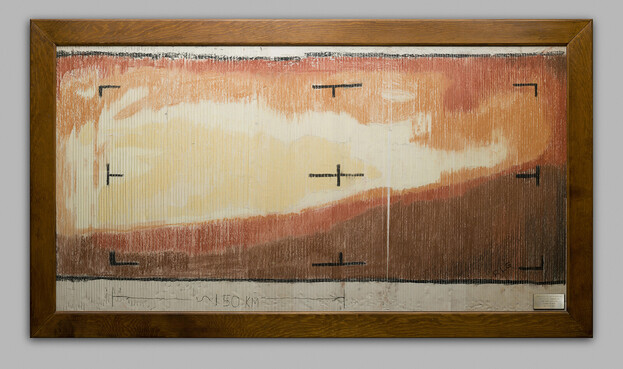
Let me tell you about the greatest color-by-numbers of all time.

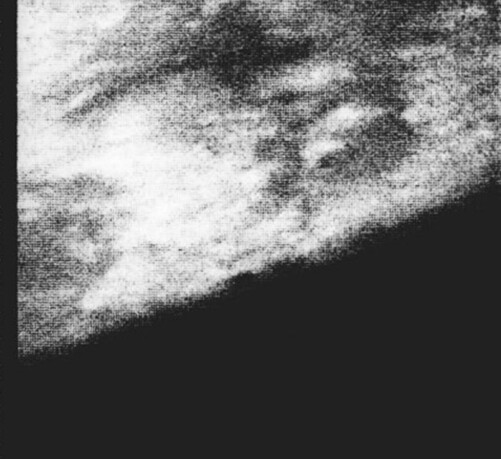
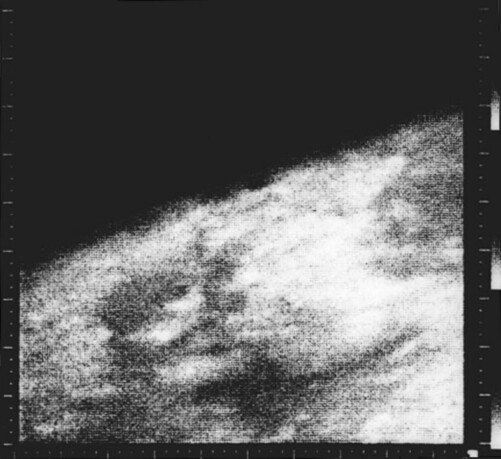
The first up-close photo of Mars was taken #OTD in 1965 by the Mariner 4 spacecraft.

But it doesn't look like much, right? Grainy and blotchy and hard to tell what exactly you're looking at.
Still, it took a while to process the official image.

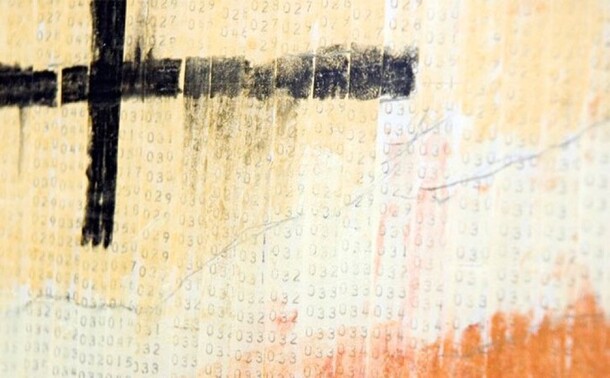
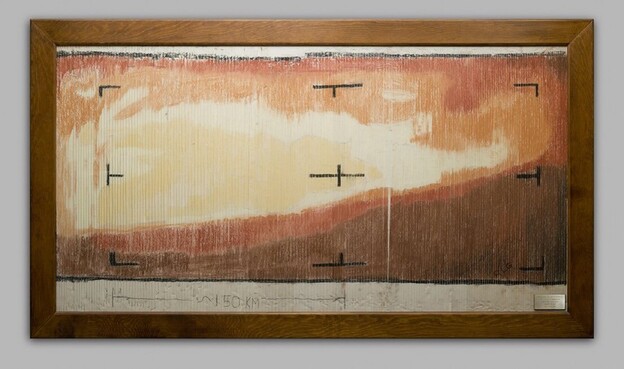
Engineers working on the project were impatient, so they printed out strips of numbers encoding image data and colored them by hand with pastels!

https://solarsystem.nasa.gov/resources/693/first-tv-image-of-mars-hand-colored/

First TV Image of Mars (Hand Colored) | NASA Solar System Exploration

Engineers too eager to wait for image processing hand-colored this first-ever TV image of Mars in 1964.

NASA Solar System Exploration

You can't really blame them. When Mariner 3 launched the previous year, the shroud that encased the spacecraft on top of the rocket failed to open, so it never made it to Mars.

And there were hints that there might be a problem with Mariner 4's tape recorder, so everyone on the project was anxious to know if they'd really recorded an image of the planet.

The folks in charge of the tape recorder had to know, so they decided to print out a representation of the data on strips of ticker tape and color it according to what they expected it to look like.

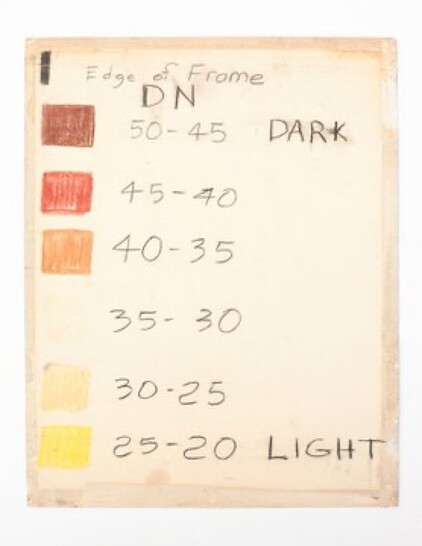
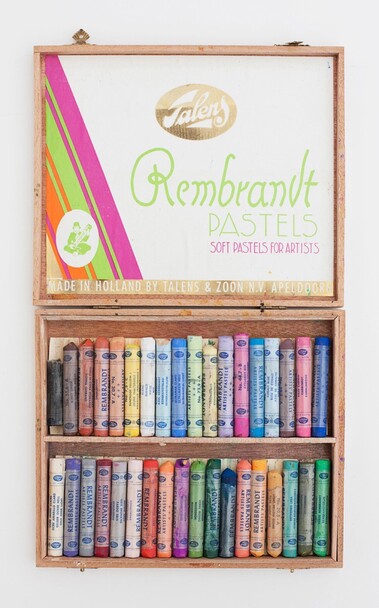
They ran to a local art store to look for chalk in shades of gray, but the folks at the store could only offer them a set of colored pastels.

The palette was chosen as the most suitable match among the available pastels for the grayscale produced by the camera. It’s remarkably close to the colors we now associate with Mars! The darkest brown patch is space.

Images: NASA / JPL

The aspect ratio seems to be a little off because of the width of the strips that the numbers were printed on. See this great post by Dan Goods for the full story.

http://www.directedplay.com/first-tv-image-of-mars

Images: NASA / JPL / Dan Goods

dan goods - FIRST TV IMAGE OF MARS

dan goods

And here are the actual pastels they used.

Image: Dan Goods

@mcnees That was fascinating. Thank you for this lovely story.