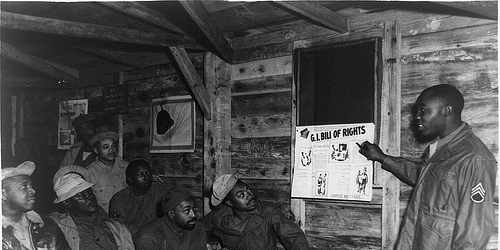
The G.I. Bill created the prosperity & laid the groundwork for the American superpower. But the postwar boom stopped at the color line. Black American frustration at discriminatory distribution of G.I. benefits would soon erupt into the modern Civil Rights Movement. These discriminatory practices and systemic barriers faced by Black-American veterans under the G.I. Bill had far-reaching consequences that persist today.

1/

@[email protected] @BlackMastodon #BlackMastodon #Histodons #History
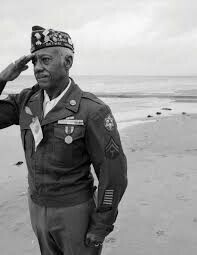
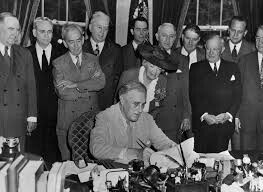
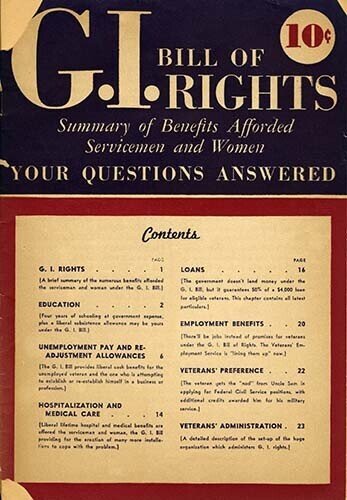
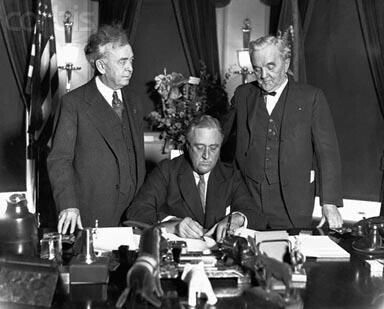
In August 1944, two months after President Franklin D. Roosevelt signed the Servicemen's Readjustment Act, also known as the GI Bill of Rights, the National Negro Publishers Association warned that despite its race-neutral appearance, the law would exclude Black veterans.

2/

#BlackMastodon #Histodons #History #StillWeRise
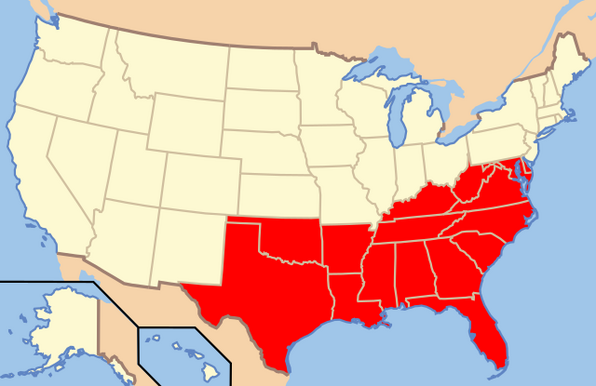
The GI Bill offered housing, education, and job training funds, along with business loans and unemployment insurance, which provided social mobility for millions of veterans. However, deliberate loopholes allowed states to deny Black veterans the rights and privileges they had earned through their service.

3/

#BlackMastodon #Histodons #History #StillWeRise
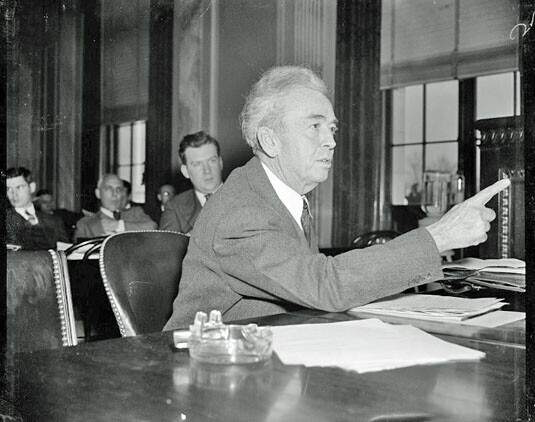
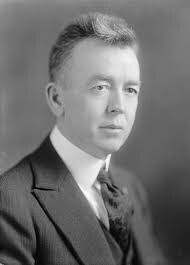
Southern Democrats, led by Congressman John Rankin, who was known for his vehement racism, ensured that the benefits of the GI Bill would be administered at the state level. They aimed to prevent returning Black veterans from leveraging public sympathy to advocate against Jim Crow laws.

4/

#BlackMastodon #Histodons #History #StillWeRise
Drawing from previous tactics used to limit assistance to Black individuals during the New Deal, the Southern Democrats manipulated the drafting of the law to predominantly benefit white Americans.

5/

#BlackMastodon #Histodons #History #StillWeRise
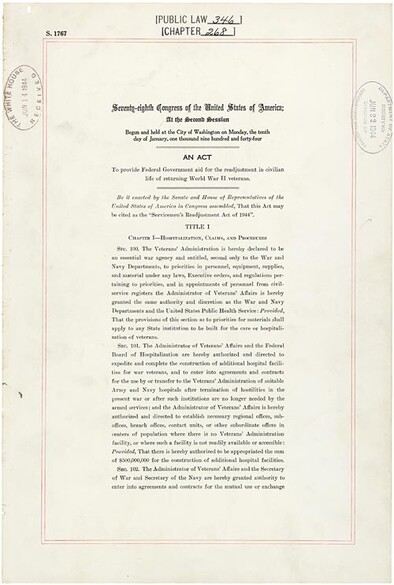
Congressman Rankin successfully pushed for the GI Bill to be administered by individual states rather than the federal government. He even attempted to weaken a provision that entitled all veterans to $20 a week of unemployment compensation for a year, which would have been a significant gain for Black Southerners.

6/

#BlackMastodon #Histodons #History #StillWeRise
Rankin stalled to a deadlock. However, the deadlock was broken when the American Legion tracked down a Congressman who had left his proxy vote with Rankin and flew him to Washington. Finally, Roosevelt signed the Servicemen's Readjustment Act into law in June 1944, during the D-Day offensive.

7/

#BlackMastodon #Histodons #History #StillWeRise
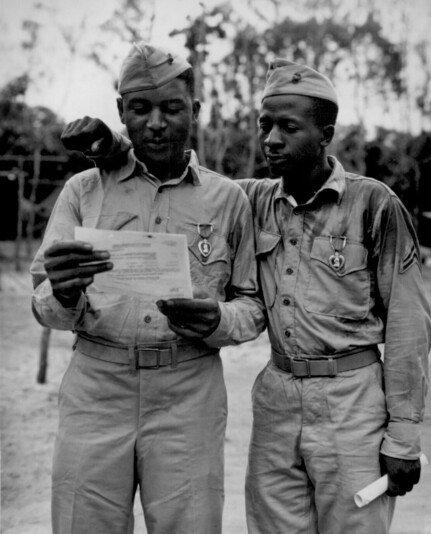
Black veterans faced numerous challenges in accessing and benefiting from the GI Bill. One major obstacle was the denial of benefits due to a lack of honorable discharge, a disproportionately common issue for Black veterans compared to their white counterparts. Even for those who did qualify, finding suitable facilities that fulfilled the promises of the bill was a struggle.

8/

#BlackMastodon #Histodons #History #StillWeRise
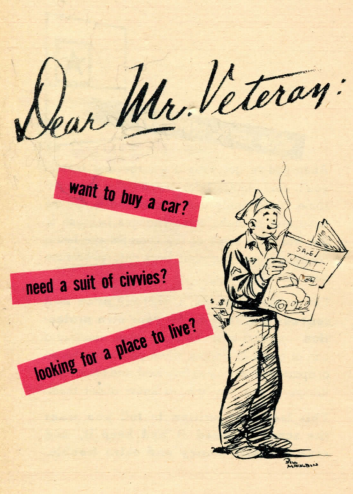
At local United States Employment Service job centers, Black veterans encountered discrimination from white counselors who consistently directed them towards unskilled jobs, despite their military training in trades such as carpentry, electricity, mechanics, or welding. In Mississippi, white veterans secured the majority of skilled and semiskilled positions, while Black veterans were relegated to filling unskilled and service-oriented roles.

9/

#BlackMastodon #Histodons #History #StillWeRise
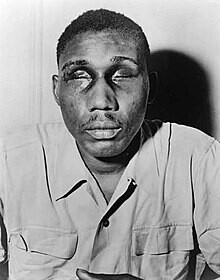
Although the GI Bill itself did not explicitly exclude Black-American veterans, systemic discrimination at the structural level often limited the benefits to white men. The implementation of the program, managed by the predominantly white Veterans Administration (VA) closely affiliated with the pro-segregation American Legion, further perpetuated racial disparities.

10/

#BlackMastodon #Histodons #History #StillWeRise
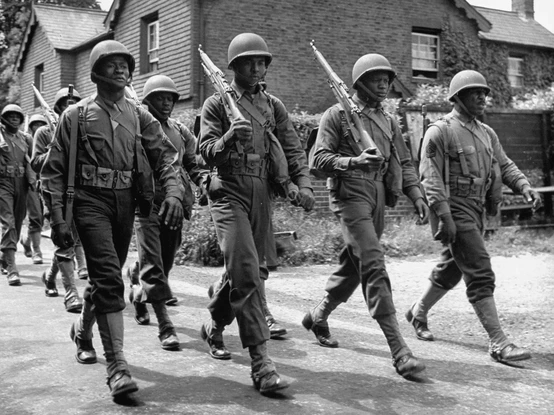
VA job counselors often steered African American veterans towards vocational training instead of university education, reinforcing the belief that black Americans were only suited for menial labor.

11/

#BlackMastodon #Histodons #History #StillWeRise
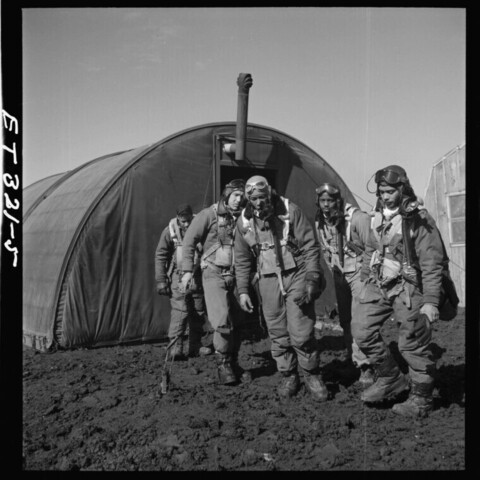
Intimidation tactics were also employed to deter Black veterans from accessing GI Bill benefits. Instances of violence, such as the rock-throwing incident in Chicago, along with attacks and lynchings targeted at Black veterans, created an atmosphere of fear and hostility.

12/

#BlackMastodon #Histodons #History #StillWeRise
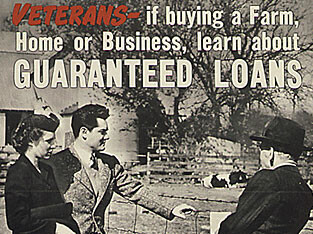
Furthermore, there were reports of Southern postmasters refusing to deliver the necessary forms for Black veterans to apply for unemployment benefits.

Despite protests from Black veterans and civil rights groups demanding equal treatment, including Black representation in the VA and non-discriminatory loans, the racial disparities in the implementation of the GI Bill persisted.

13/

#BlackMastodon #Histodons #History #StillWeRise
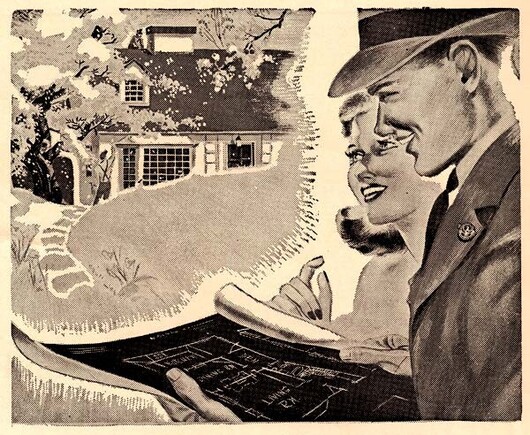
Congressman Rankin's unsuccessful attempt to exclude Black men from VA unemployment insurance exemplified the inequitable distribution of benefits. Resistance to the discriminatory practices of the GI Bill was observed across the country, from the South to the North.

14/

#BlackMastodon #Histodons #History #StillWeRise
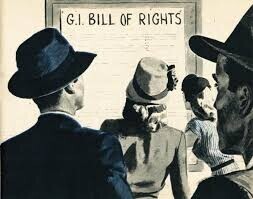
Black veterans, like their white counterparts, sought VA-guaranteed low-interest mortgages and loans to establish homes and businesses. Although the GI Bill provided low-interest mortgages and loans, the VA could only cosign, not guarantee them. This allowed white-run financial institutions to freely deny mortgages and loans to Black individuals.

15/

#BlackMastodon #Histodons #History #StillWeRise
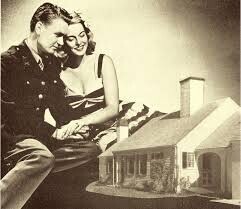
The majority of Black applicants were rejected by racially biased banks, as observed by the National Urban League. Redlining, a discriminatory practice, further hindered Black veterans from purchasing homes by characterizing them as high-risk borrowers. This meant that most black Americans were confined to underinvested cities.

16/

#BlackMastodon #Histodons #History #StillWeRise
In 1947, out of 67,000 mortgages insured by the VA in the New York and northern New Jersey suburbs, less than 100 were granted to nonwhites. Similar disparities existed in Mississippi, where only two out of over 3,200 VA-guaranteed home loans went to Black borrowers.

17/

#BlackMastodon #Histodons #History #StillWeRise
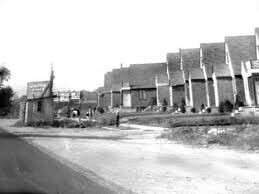
The situation was not much better in other regions. Across the country, racial covenants explicitly prohibited returning servicemembers from owning or renting properties in white areas. Black- American families were restricted from purchasing homes through restrictive covenants in suburban neighborhoods.

18/

#BlackMastodon #Histodons #History #StillWeRise

Even those Black veterans who managed to secure loans faced organized resistance and violence from white homeowners. As a result, when Black WWII veterans reached the age when wealth typically peaks, the median net worth of their households was significantly lower than that of white households, with a difference of $100,000.

19/

#BlackMastodon #Histodons #History #StillWeRise
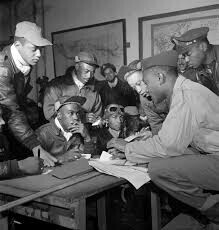
Consequently, Black veterans were largely excluded from benefiting from the postwar housing boom and the accumulation of property equity, which is a key pathway to generational wealth.

20/

#BlackMastodon #Histodons #History #StillWeRise
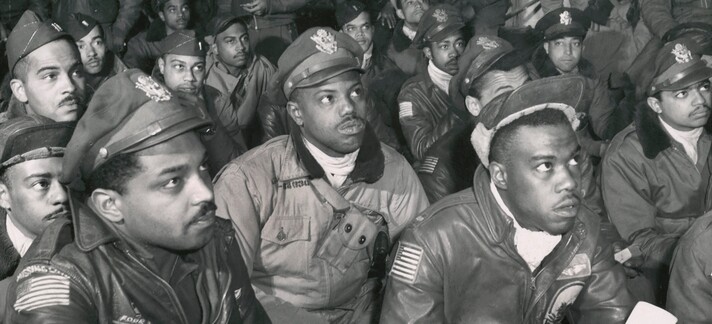
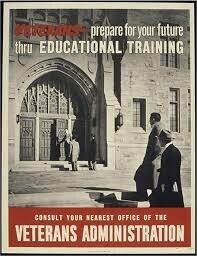
Over a million Black men served in the military during the war and were eligible for educational benefits, including tuition payments and a stipend for college or training. However, the impact of military service and educational benefits differed by race and geography. Black men returning to the segregated South faced limited opportunities at historically Black institutions.

21/

#BlackMastodon #Histodons #History #StillWeRise
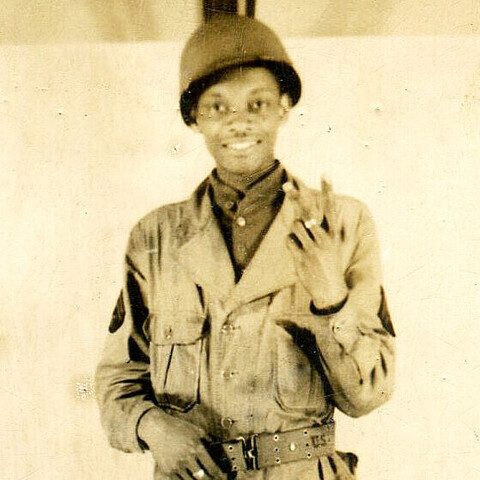
The G.I. Bill, which provided educational support to World War II veterans, was race-neutral in its terms. But in practice, it was another matter. The G.I. Bill had different effects on educational attainment for Black and white veterans. Despite the promise of reducing educational gaps, it actually widened the economic and educational differences. Many Black veterans couldn't afford to forgo work and take advantage of the bill's benefits.

22/

#BlackMastodon #Histodons #History #StillWeRise

Even for those who did pursue education, Black veterans faced significant disadvantages compared to their white counterparts. Poor preparation in public education, lack of prior educational attainment due to poverty and social pressures, and racial barriers prevented Black students from accessing universities. Black veterans were often left out as Northern universities hesitated to admit them, while Southern colleges barred their admission.

23/

#BlackMastodon #Histodons #History #StillWeRise

The VA encouraged Black veterans to pursue vocational training instead of university admission and arbitrarily denied educational benefits to some students. The overwhelming majority of Black veterans ended up at underfunded and unaccredited Black colleges that couldn't accommodate the influx of applicants.

24/

#BlackMastodon #Histodons #History #StillWeRise

@Deglassco I really enjoy your posts. What a sorry affair.

Of tangential relevance, but you may find interesting, the "Battle for Manners Street" in Wellington New Zealand between segregationist USA soldiers and locals:

https://en.m.wikipedia.org/wiki/Battle_of_Manners_Street

Battle of Manners Street - Wikipedia

@Deglassco Own your own LAW+RELIGION and insure yourselves based on your own Constitution's Bill of Rights. Rather then keep pleading from OneLaw+ReligionForAll Tyrants?!
@Deglassco Interesting post. Been a little while since I've seen the word "redlining" but it happened in Ohio, where I live, too. REDLINED - Teaching Cleveland Digital https://teachingcleveland.org/wp-content/uploads/2017/09/History-of-Race-and-Real-Estate-in-Cleveland-Ohio-by-the-Kirwan-Institute-2014.pdf

@Deglassco

This I actually did know about, courtesy of a Racial Equity Institute phase 1 seminar, along with a new-to-me discovery of another major Supreme Court case involving the right of Black doctors to practice at Moses Cone hospital in Greensboro (https://www.conehealth.com/news/news-search/2016-news-releases/cone-health-honors-dr-alvin-blount-/#:~:text=1962%20Simkins%20vs.-,Moses%20H.,thus%20letting%20the%20decision%20stand.), where my dad was a doc at the time.

@gaurav REI is local, you might want to check them out sometime.

@tarheel Thanks for the suggestion, I'll check them out! It did take a minute to figure out why you wanted me to check out a retail and outdoor recreation services corporation organized as a consumers' co-operative :).

@gaurav

Yeah, first time my wife sent me a link to an "REI groundwater seminar" I thought, "interesting, but why is she sending me something so specific?" 🙂