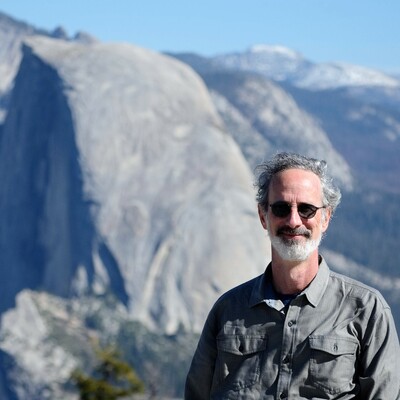
As a climate scientist who has warned about the threat of climate change for decades, I think the fact that we just saw what was probably the hottest day in recorded history, and probably in thousands of years, is deserving of attention...

https://www.cnn.com/2023/07/05/world/hottest-day-world-climate-el-nino-intl/index.html

@petergleick 1/ It annoys me when climate scientists cite extremes as evidence of climate change. Extremes are the noisiest signal of climate change. They can be informative only when there are many such events, and because of their infrequent occurrence and high variability it takes a much longer record than mean statistics to establish a significant trend.
@gregs I'm sorry (not sorry) you get annoyed when climate scientists discuss extreme events as signals of climate change. But they are.
Decades of modeling and observations definitively show some major climate changes manifest NOT as changes in averages but as changes in extremes.
Example. On average, precipitation in the western and northeastern US hasn't changed, but the intensity of extreme rainfall events has. Read the annual issue of the Bulletin of the AMS on this subject.
@gregs Another example. Average annual runoff in California hasn't changed since records began, but extreme wet and dry years have both become more frequent.
Looking only at averages can hide changes.
Finally, yes climate scientists must be careful about attributing extremes to climate change, and most are careful about the distinction between "causality" and "influence". But climate change is increasingly influencing the frequency and intensity of a wide range of extreme events.