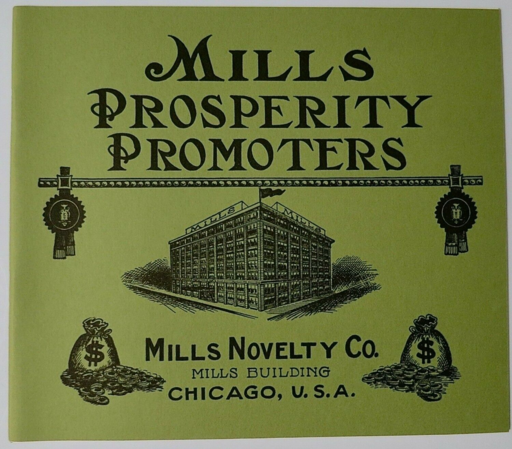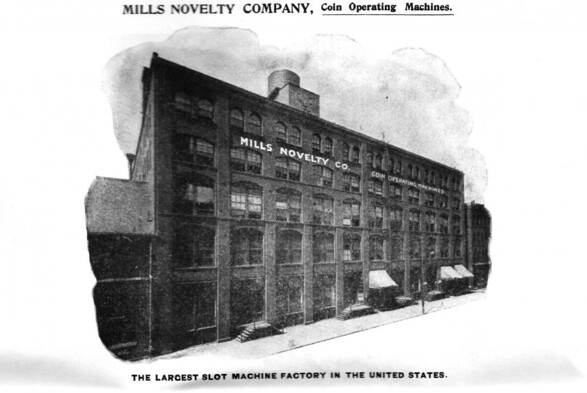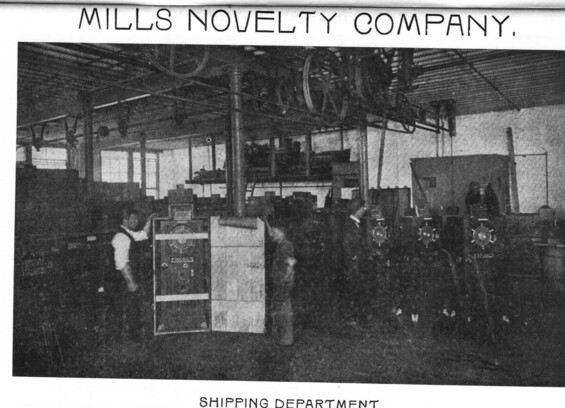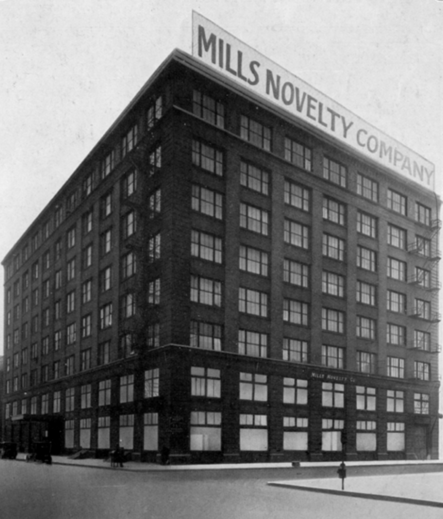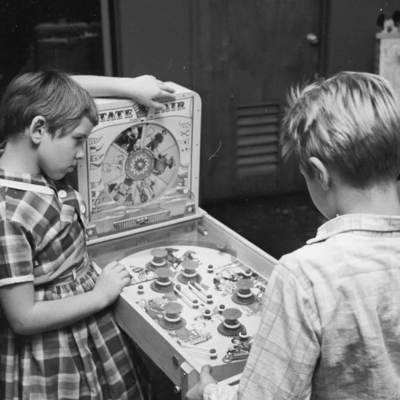
One company rules above all others in early 20th century coin-op: Mills Novelty.

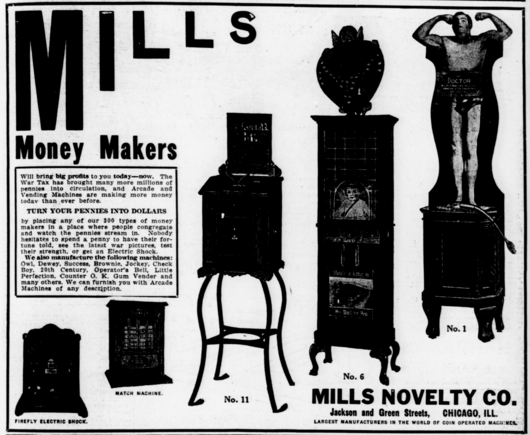
On top of being the company that cemented Chicago as coin-op central, Mills helped to popularize many of the most important #arcade pieces, including both slot machines and #pinball

But did you know, it was almost over for them before it even began?

These are the Terrible, Horrible, No Good, Very Bad first few years of the iconic Mills Novelty.
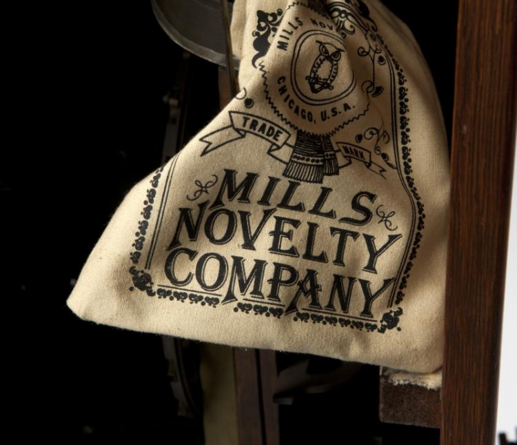
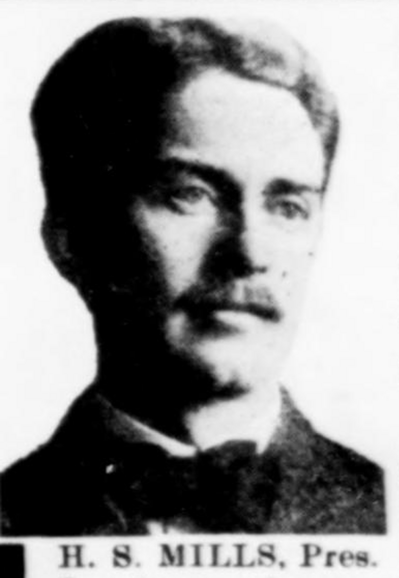
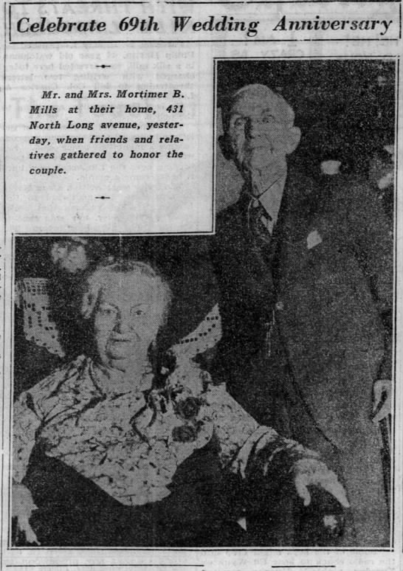
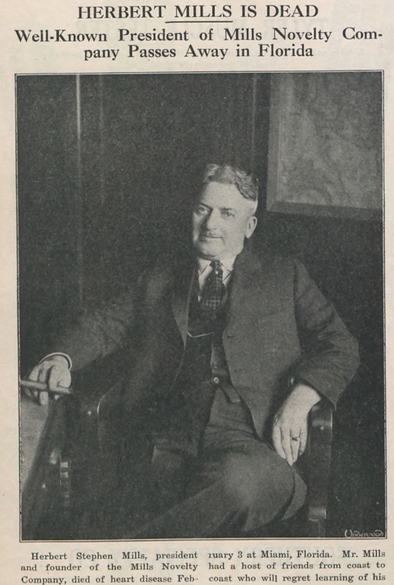
Herbert Mills, the founding principal of Mills Novelty, founded the company out of his father Mortimer's cigar business.

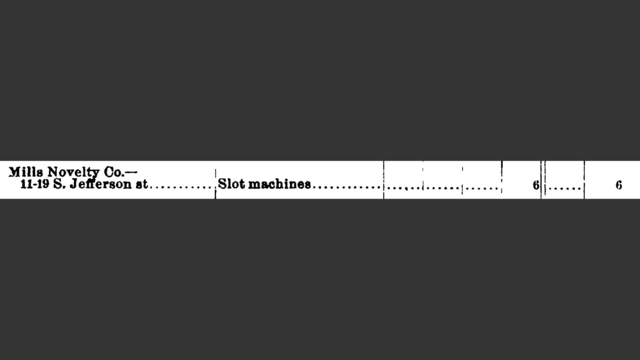
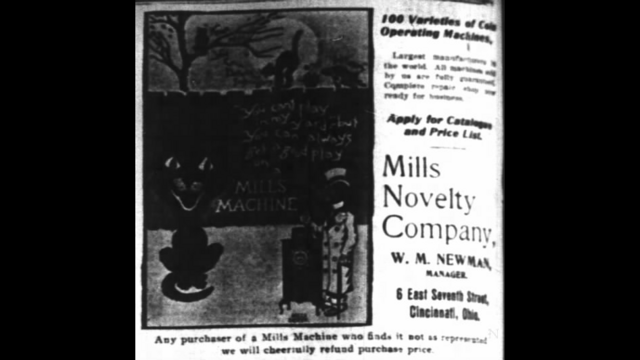
The relationship of the companies and timeline is a bit unclear, but by 1896 the company had established itself on Jefferson St in Chicago in what was called the Ewart Building.

From that office, they sold early trade stimulators and slot machines, like those mentioned in my prior post.

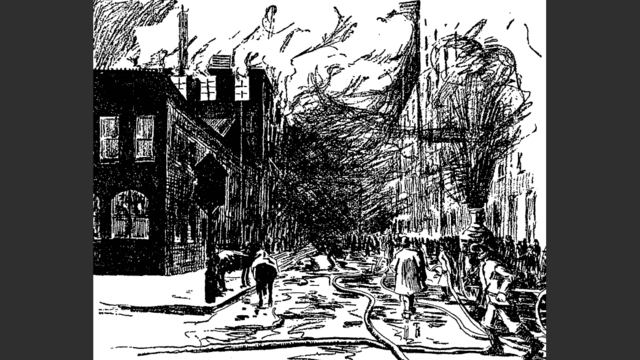
... Then, in January 1898, their entire facility burned down.

The building they occupied suffered a massive fire, destroying their operation.

Luckily, they were able to get quickly back on their feet. After a quick relocation, they found themselves in a newly erected building where the old one once stood.

From here, they established themselves as brisk traders of not only general gambling devices, but also the new class of "viewing machines".

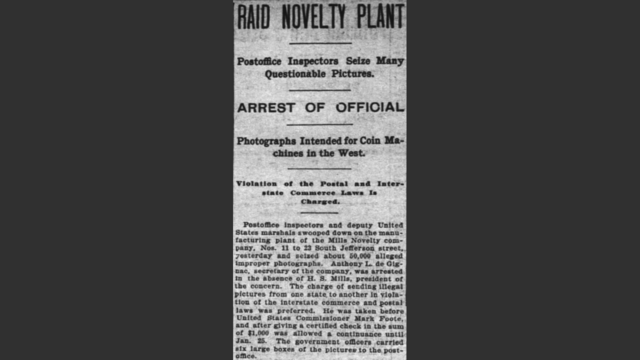
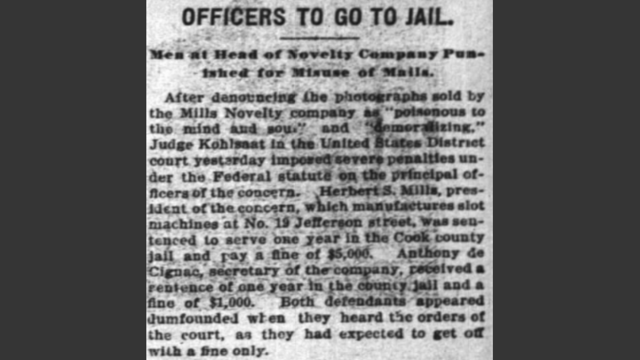
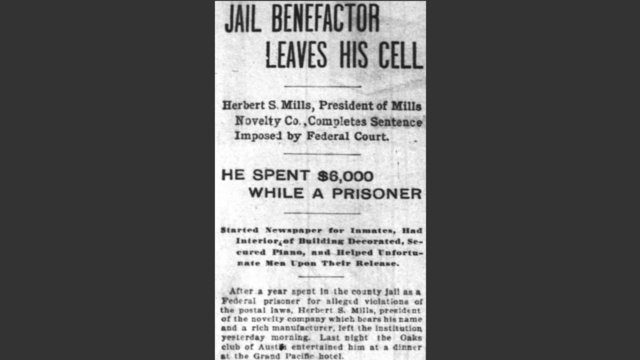
In 1901, the law came down hard upon the company.

They were held for possessing thousands of "obscene" photographs for picture machines.

This illegal activity was swiftly prosecuted and Herbert Mills found himself *in jail* for a year's sentence over this incident.

It was Very Bad indeed.

During his time in prison, Herbert's brothers took over the day to day running of Mills.

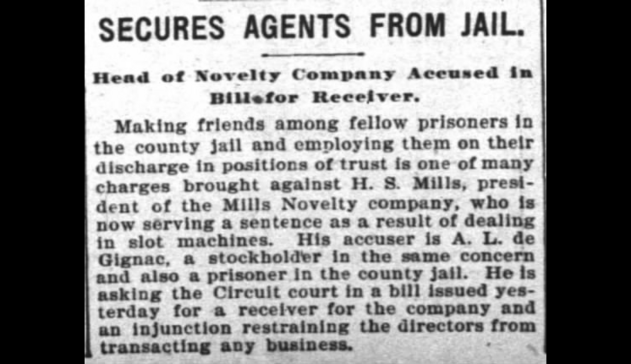
Seeking to make the most of his time in the clink, Herbert turned out to be a model reformist in the prison system.

Once he was released, he even hired a number of his fellow convicts into Mills Novelty. Quite a novel thing for a white collar criminal.

Herbert Mills would not be the only coin-op magnate to see life behind bars, though he kept out of the worst of it until his death in 1929.

How many things need to go wrong before they become right, eh? These early trials likely helped make Mills into the adaptable company they were, going from niche to niche and finding success along the way.

We'll definitely have some more Mills stories in the future. For now, take a moment to appreciate what they went through to bring us #arcadehistory