A Republican got offended I called the founding U.S. citizens "colonizers,"—rebuking me that “the original 13 colonies were beacons of freedom.”

I asked him to repeat that part...slowly. Apparently "colonies" is respectful—but calling those who built colonies "colonizers" is not.🤔

Also, I'm sure the enslaved, Native Americans, women, and anyone not a WASP wealthy land owner would likely disagree with that whole "beacon of freedom" part.
@QasimRashid I always ask: freedom for whom? Literally the only people the founders wanted to set "free" were white male commoners. The injustice they opposed was monarchy and nobility by birth. That other people might also deserve freedom wasn't part of their worldview.
@textualdeviance @QasimRashid And by white, they meant British, Scottish, French, and maybe Dutch. The Irish, Germans, Italians, etc. were considered undesirable.
@McD1979 Yup. My Irish and Italian ancestors who came here in the mid to late 1800s weren't exactly treated well. Damn shame so many of them and their descendants were racist asshats to other groups. The Irish ones got mad about emancipation because it supposedly meant more competition for jobs. I'm in the first generation on both sides of my family to reject that stuff (and a lot of my cousins are still racist, too... Sigh...)
@textualdeviance @McD1979
Yeah. I have a cousin who cries out "the Irish we're enslaved too!" no matter how many times she gets shut down. I'm incredibly lucky that she's a minority in the family - but generations of being civil servants and social workers definitely helped bend that curve faster than for most families :-/
@textualdeviance @QasimRashid
As far as the British Puritans disliked monarchy, they only disliked Charles II because he wouldn’t hang Catholics and allowed the theatres to stay open.
They wanted a very specific sort of freedom, which was the freedom to be absolute bastards to everyone.

@textualdeviance @QasimRashid

"The injustice they opposed was monarchy and nobility by birth."

That was certainly a step in the right direction, wasn't it? I find the lack of perspective on history here rather questionable to be honest. History moves incrimentaly, one step at a time. Individual freedoms had to be gained step by step, you don't get the whole package for everyone all at once.

@philsuessmann Ehm... do you think white Christian men are the ones who get to decide who should be free?

@textualdeviance @QasimRashid I dunno. I have ancestors on all sides of the fence but some of them were enthusiastic colonizers (the whole package, slaves, rum, tobacco, taking land from Indigenous, not paying taxes). That lot did seem to be concerned about religion - some of them might have been hidden Catholics. If they were concerned about freedom it was mostly about their own.

Some high mindedness did creep in later, so let's cut them a little slack from 300 years out.

@mwhelm I don't even cut my own ancestors slack. Columbus was prosecuted within his own time for his atrocities. Abolitionists existed. And of course persecuted groups were advocating for themselves right from the start. Ignoring that was a conscious choice, and it's reasonable to judge people on those choices.

@textualdeviance @QasimRashid Excellent answer!

It’s not as if freedom from one tyranny has to automatically mean other tyrannies are magically resolved in one go! 😃

Narratives for #freedom are problematic in that way. They need to be powerful in order to captivate people to rise up, but to be powerful they often need to simple. Too simple.

@textualdeviance @QasimRashid

a bunch of slaveowners that wanted to be free to exploit everybody else ...

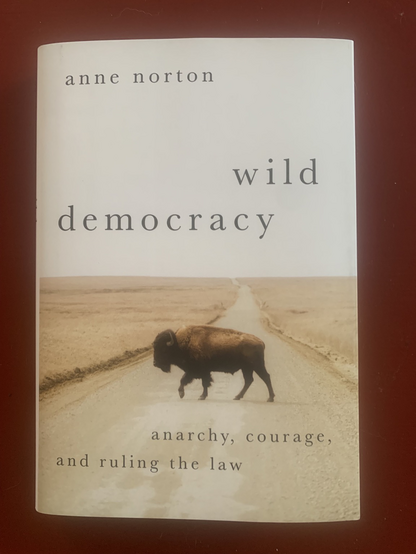
@textualdeviance @QasimRashid depends on which “Founders” you mean. Tom Paine was better than that, as was Sam Adams. Have a look at Langston Hughes’s poem Freedom’s Plow. He has a different -more democratic, more anarchic, more just-view of who the founders were. What Wild Democracy is about