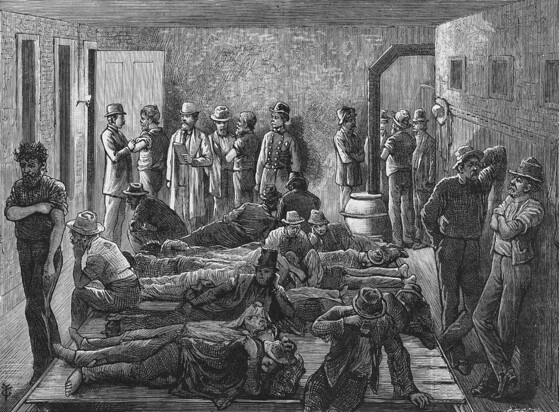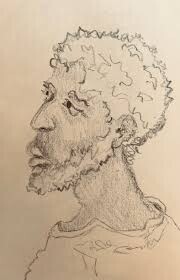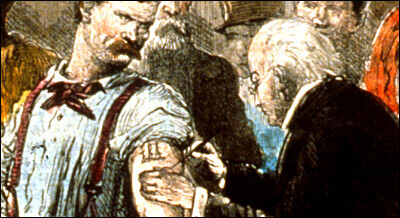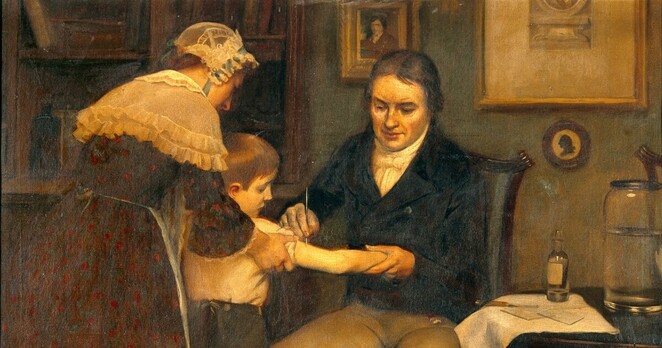
Onesimus, a Boston enslaved man, saved hundreds of people from the horrors of smallpox in 1721. His contributions to science reverberate to this day b/c his knowledge led to what became the 1st vaccine-related study in America. Onesimus’s story illustrates the degree to which reputable men of science de­pended on the testimony & experience of Africans in dealing with a dreaded disease.

1/24

#StillWeRise #Medicine #BlackHistory
#BlackMastodon
#Histodons #History
@[email protected] @BlackMastodon

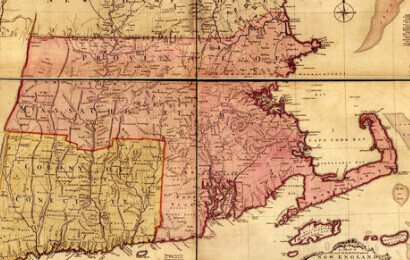
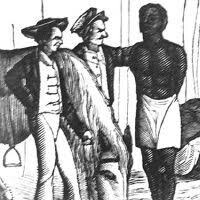
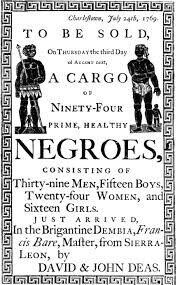
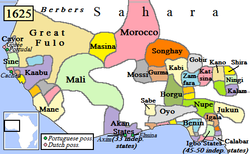
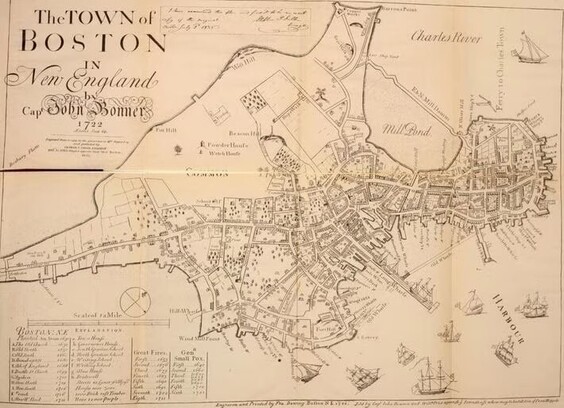
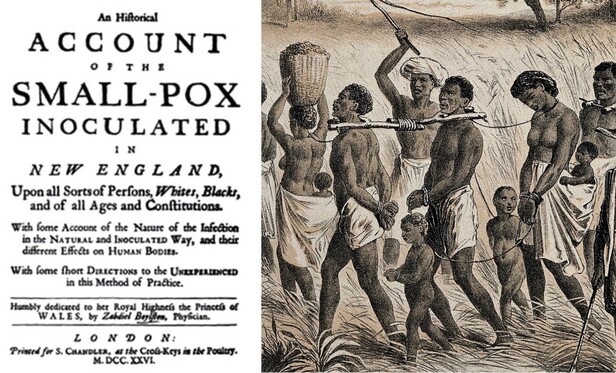
Onesimus’ origins remain unknown, but he was likely taken forcefully from his homeland in West Africa, forced into slavery, and transported to the Massachusetts Bay colony aboard a ship. During that time, MA was a hub of the early slave trade & the first American colony to legally establish the ownership of human beings in 1641. By the year 1700, approximately 1,000 enslaved individuals resided in Massachusetts.

2/24

#StillWeRise #Medicine #BlackHistory
#BlackMastodon
#Histodons #History

The name Onesimus was not the original name given to him at birth. Similar to many others who experienced the horrors of slavery, historical texts only document the name he was given by his enslaver. The name Onesimus, meaning "useful," serves as a reminder of the property status imposed upon him by his enslaver.

3/24

#StillWeRise #Medicine #BlackHistory
#BlackMastodon
#Histodons #History

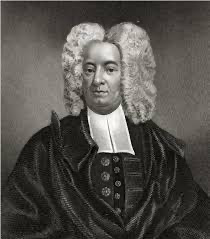
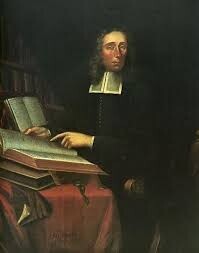
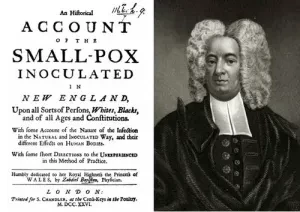
In 1706, a church congregation in Boston acquired Onesimus & "gifted" him to the well-known Puritan minister, Cotton Mather. You may recall the name Cotton Mather from your high school history lessons, in relation to the Salem witch trials. Cotton Mather, the son of Increase Mather, the founder of Harvard College, held significant influence as a minister & intellectual during that era.

4/24

#StillWeRise #Medicine #BlackHistory
#BlackMastodon
#Histodons #History

Cotton Mather, despite his prominent role, was involved in enslavement. The primary source of our knowledge regarding Onesimus stems from Cotton Mather's diary, supplemented by a few references found in church & civic records. There is strong evidence that he was born in West Africa, as he had received smallpox inoculation during his childhood through a traditional West African method.

5/24

#StillWeRise #Medicine #BlackHistory
#BlackMastodon
#Histodons #History

In a letter dated 1716 and addressed to the Royal Society of London, Cotton Mather recounted a discussion he had with Onesimus regarding smallpox. During that era, it was common for white individuals to inquire whether enslaved people had experienced the disease, as it was believed that those who had survived were deemed more valuable.

6/24

#StillWeRise #Medicine #BlackHistory
#BlackMastodon
#Histodons #History

When Mather posed the question to Onesimus about his exposure to smallpox, Onesimus responded with a somewhat enigmatic answer, saying, "Yes and no." Onesimus proceeded to explain that during his childhood in Africa, he had undergone a procedure that provided him with a form of smallpox and granted him lifelong protection against the disease.

7/24

#StillWeRise #Medicine #BlackHistory
#BlackMastodon
#Histodons #History

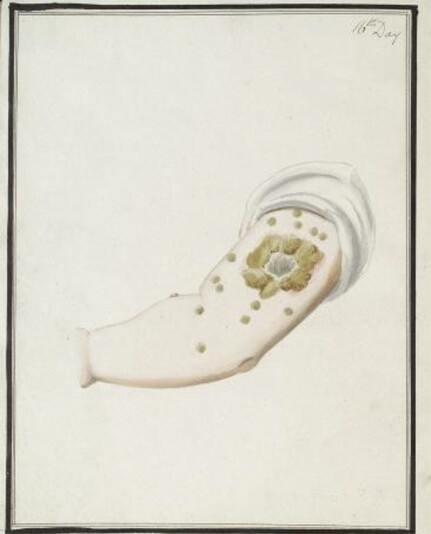
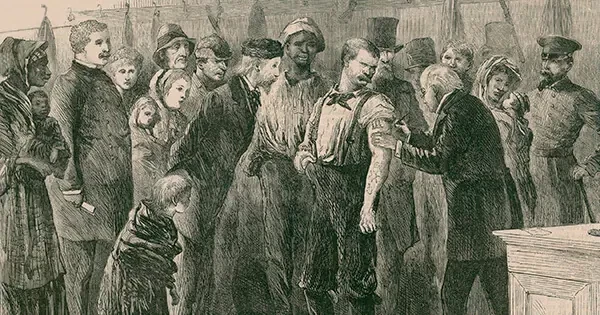
Onesimus described the operation as involving the extraction of pus from an individual infected with smallpox, which was then scraped into his arm. This resulted in a mild case of the illness but bestowed upon him permanent immunity.

Onesimus shared that this practice was commonplace within the African community in which he was raised and had been carried out for centuries.

8/24

#StillWeRise #Medicine #BlackHistory
#BlackMastodon
#Histodons #History

The account Onesimus provided was known as variolation, an early method of inoculation employed to safeguard individuals against smallpox. Variolation, serving as a precursor to vaccination, had been practiced for many centuries in China, parts of Africa, and the Middle East. However, it remained relatively unfamiliar in England and the American colonies during the early 1700s.

9/24

#StillWeRise #Medicine #BlackHistory
#BlackMastodon
#Histodons #History

While variolation carried risks, it was significantly less lethal than contracting natural smallpox. Typically, it induced a mild form of smallpox, that granted lifelong immunity. In 1721, half of Boston's residents were infected with smallpox, about 11,000 people. Cotton Mather, armed with the knowledge scrim Onesimus, embarked on a mission to safeguard Boston during the subsequent smallpox epidemic

10/24

#StillWeRise #Medicine #BlackHistory
#BlackMastodon
#Histodons #History

In 1721, Mather became an advocate for the practice of variolation, yet encountered strong opposition from other white individuals residing in Boston.

Despite being highly esteemed in Massachusetts, only a solitary physician heeded Mather's audacious proposal. Zabdiel Boylston, one of the two doctors in Boston, placed trust in Cotton Mather and Onesimus regarding variolation.

11/24

#StillWeRise #Medicine #BlackHistory
#BlackMastodon
#Histodons #History

Boylston proceeded to inoculate his own son and the enslaved individuals laboring within his household. The reaction from other doctors and councilmen in the area was one of shock and horror. Although some white Bostonians opposed variolation due to scientific uncertainty or religious reasons, a good portion of the criticism arose from a racist perspective that undermined the valuable knowledge by Africans..

12/24

#StillWeRise #Medicine #BlackHistory
#BlackMastodon
#Histodons #History

Detractors, attacked Cotton Mather, degrading his ideas as "Negroish" thinking.
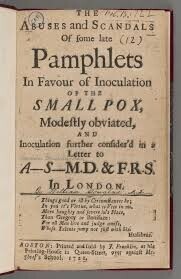
William Douglas, the only other doctor in Boston at the time, joined forces with James Franklin, older brother of Benjamin Franklin and local newspaperman, to initiate a racist disinformation campaign. They asserted that enslaved Africans were conspiring to harm their enslavers by deceiving them into infecting themselves with smallpox.

13/24

#StillWeRise #Medicine #BlackHistory
#BlackMastodon
#Histodons #History

Both Cotton Mather and Boylston, faced severe vilification for seeking medical guidance from an African individual. Douglas, in reference to Black people, made derogatory remarks stating, "There is not a Race of Men on Earth [filled with] more False Liars." As a result of the successful experimentation with variolation, the practice gained wider acceptance in the colonies grappling with smallpox epidemics.

14/24

#StillWeRise #Medicine #BlackHistory
#BlackMastodon
#Histodons #History

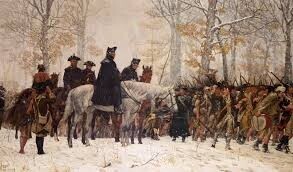
In fact, in 1777, during a new smallpox outbreak amid the Revolutionary War, General George Washington took decisive action. Recognizing the value of science and technology and having personally experienced smallpox in his youth, Washington ensured that his entire army underwent inoculation to protect against the disease.

15/24

#StillWeRise #Medicine #BlackHistory
#BlackMastodon
#Histodons #History

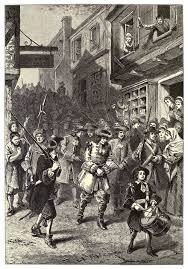
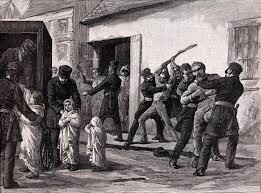
The opposition towards Mather's advocacy of inoculation even escalated to the extent of someone hurling an unexploded grenade through his window. This incident was an early precursor to anti-vaccination protests, as Bostonians took to the streets to express their opposition to Boylston's employment of smallpox inoculations for his son and two enslaved individuals.

16/24

#StillWeRise #Medicine #BlackHistory
#BlackMastodon
#Histodons #History

When the epidemic ended in 1722, Mather & Boylston conducted one of the earliest documented quantitative analyses in medicine. Remarkably, Boylston managed to inoculate 280 individuals out of the city's population of 11,000. Among the inoculated group, only 6 people succumbed, a mere 2% mortality rate. In contrast, among the non-inoculated, there were 6,000 cases, a loss of 850 lives, 14 % mortality rate.

17/24

#StillWeRise #Medicine #BlackHistory
#BlackMastodon
#Histodons #History

Following his purchase of freedom, Onesimus gradually disappeared from public records after 1716. The specifics of his journey and how he lived the remainder of his life remain largely undisclosed. Nevertheless, the impact of his contribution to the understanding of smallpox and its prevention continues to resonate in modern times.

18/24

#StillWeRise #Medicine #BlackHistory
#BlackMastodon
#Histodons #History

Onesimus made significant contributions to the field of science. Despite enduring captivity and bondage, he played a crucial role in raising awareness about the effectiveness of variolation in the United States. His contributions directly contributed to one of the earliest scientific studies in medicine conducted in the country and, ultimately, paved the way for the development of the smallpox vaccine.

19/24

#StillWeRise #Medicine #BlackHistory
#BlackMastodon
#Histodons #History

The results unequivocally demonstrated that individuals who underwent inoculation were seven times more likely to survive smallpox. Because of this compelling evidence, inoculations became a widespread practice in Boston and across numerous states in the United States. However, their prevalence gradually diminished with the advent of a significant breakthrough in 1796.

20/24

#StillWeRise #Medicine #BlackHistory
#BlackMastodon
#Histodons #History

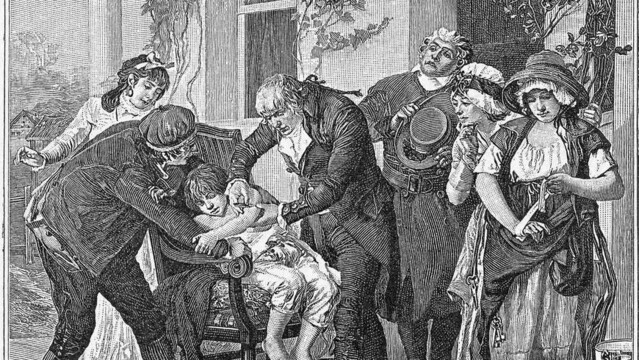
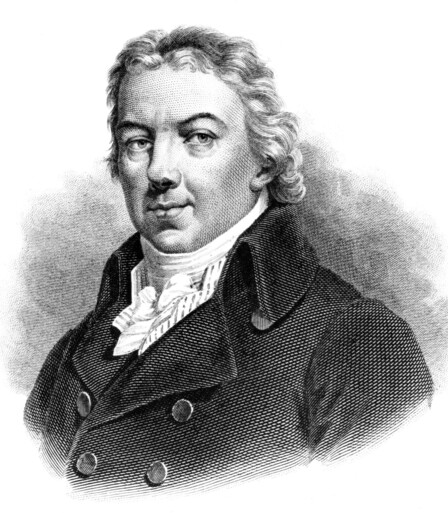
In 1796, Edward Jenner developed the smallpox vaccine utilizing the cowpox virus. As the mid-1800s approached, variolation was phased out and replaced by immunization through cowpox, as it proved to be a safer and more effective..
For decades, the prevailing narrative exalted Mather and Boylston as heroes while relegating Onesimus and his African homeland to the background.

21//24

#StillWeRise #Medicine #BlackHistory
#BlackMastodon
#Histodons #History

The clinical analysis of a new medical treatment and the incorporation of knowledge from an African enslaved man were notable. However, these men had complex legacies beyond their accomplishments. For instance, Boylston actively enforced the inoculation procedure on two individuals he owned as slaves, thereby perpetuating the longstanding tradition of using Black bodies in medical experiments without their consent.

21//24

#StillWeRise #Medicine #BlackHistory
#BlackMastodon
#Histodons #History

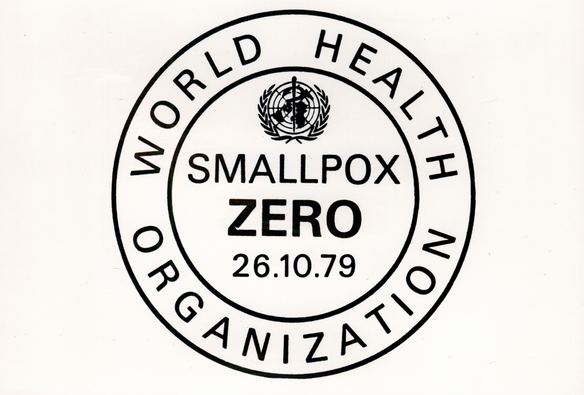
What Onesimus thought about his pivotal role in saving countless lives in the United States may forever remain a mystery. Nonetheless, his remarkable legacy stands tall, particularly considering that in 1980, the World Health Organization officially declared the eradication of smallpox from the world.

22/24

#StillWeRise #Medicine #BlackHistory
#BlackMastodon
#Histodons #History