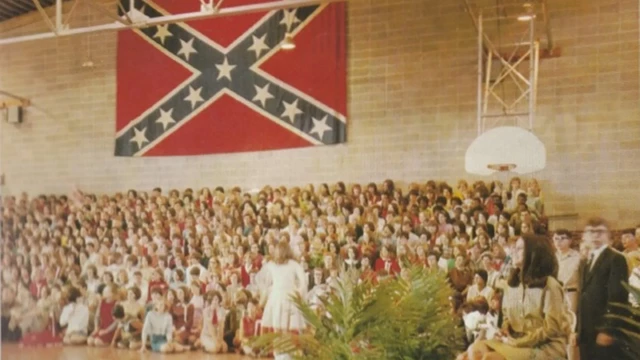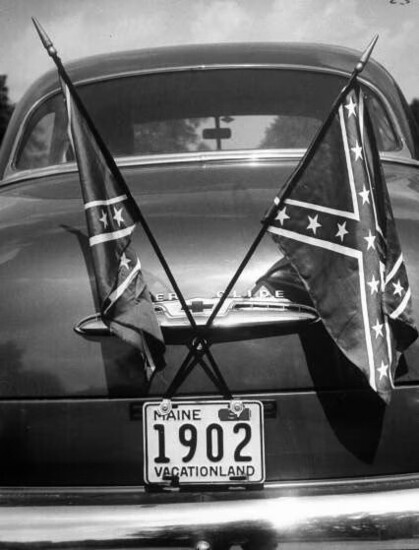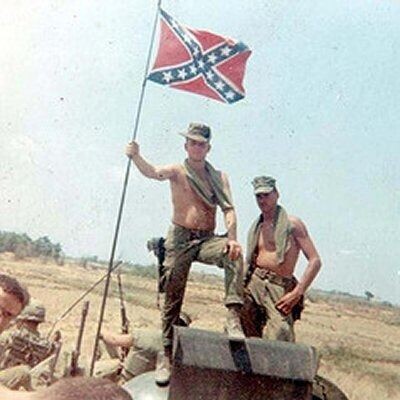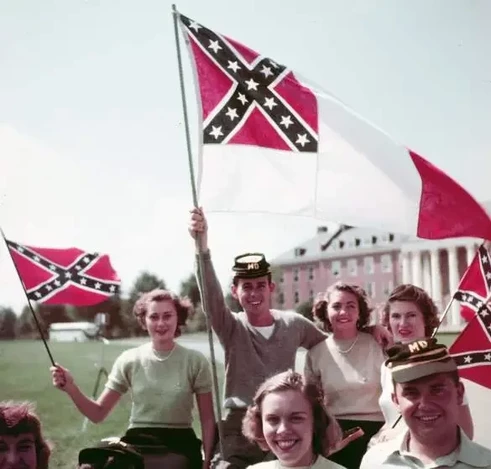
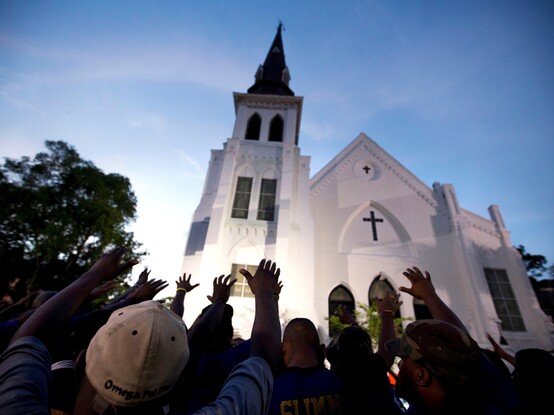
8 years ago this week, there was a shooting in Charleston. Emanuel AME, Mother Emanuel, formed in 1816. One of the oldest Black churches, it survived being burned down for its role in an 1822 slave revolt. SC Rep. Jim Clyburn said that's why Roof targeted it. [He] "undertook what he thought would start a race war…[but] what he did do ushered in a re-examination of who and what we are as Americans.” Indeed, who America is as a nation.

1/10
@[email protected]@BlackMastodon#BlackMastodon#History

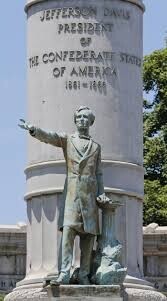
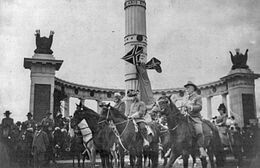
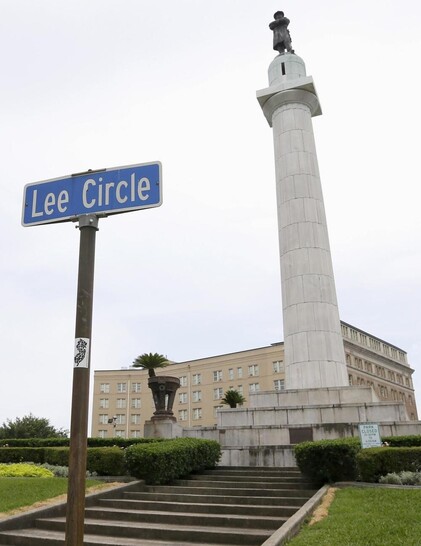
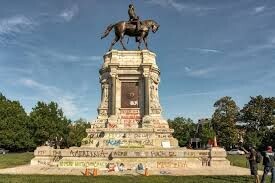
The shooting had a profound impact on the debate about the symbolism of Confederate monuments and their association with hate groups and racism. These monuments have been a subject of heated debate for a long time & represent a complex chapter in American history. The statues were erected across various cities and towns in the US to commemorate individuals or events associated with the Confederacy during the Civil War.

2/10

#BlackMastodon#History #histodons #CivilWar
#BlackHistory

The origins of Confederate monuments can be traced back to the late 19th and early 20th centuries, primarily in the Southern states. The motivations behind their construction were often rooted in a desire to honor fallen soldiers, commemorate leaders, and preserve a specific interpretation of Southern history.

3/10

#BlackMastodon#History #histodons #CivilWar
#BlackHistory

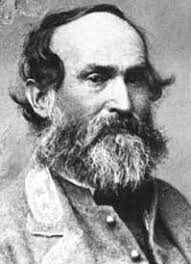
Construction of Confederate monuments was closely tied to the Lost Cause mythology, a narrative that romanticized the Confederacy and downplayed or denied the centrality of slavery as a cause of the war. Prominent figures like General Jubal Early and General Edward A. Pollard played significant roles in promoting this revisionist history.

4/10

#BlackMastodon#History #histodons #CivilWar
#BlackHistory

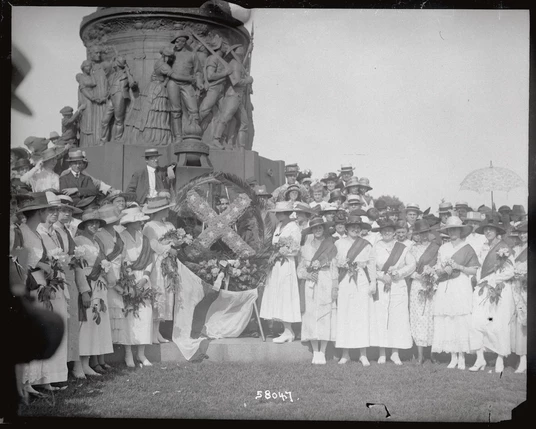
Organizations like the United Daughters of the Confederacy actively supported construction of Confederate memorials. Schools played a crucial role in perpetuating the Lost Cause ideology through textbooks and classroom teachings, distorting the true causes and consequences of the Civil War. This education reinforced Southern exceptionalism and glorified the Confederacy, shaping generations of Southern students' understanding of their regional identity.

5/10

#BlackMastodon#History #CivilWar

During the Jim Crow era, Confederate monuments took on another layer of meaning as symbols of white supremacy and resistance to racial equality. These statues served as physical reminders of the continued subjugation of Black Americans and the institutionalization of segregation in the South.

6/10

#BlackMastodon#History #histodons #CivilWar
#BlackHistory

In recent decades, Confederate monuments have faced growing opposition and controversy. Critics argue that these statues glorify individuals and ideals associated with slavery and oppression, perpetuating a painful legacy for Black Americans. Calls for their removal have amplified & sparked a reassessment of their historical context and a broader conversation about their place in society.

7/10

#BlackMastodon#History #histodons #CivilWar
#BlackHistory

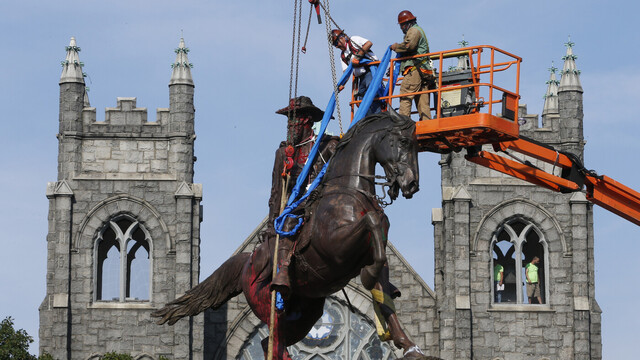
The Charleston shooting acted as a catalyst, prompting a nationwide reevaluation of Confederate monuments. Many cities and institutions decided to remove or relocate these statues, while others initiated discussions and public hearings to consider their fate. The debate surrounding Confederate monuments remains contentious, reflecting deeply rooted divisions within American society.

8/10

#BlackMastodon#History #histodons #CivilWar
#BlackHistory

@Deglassco

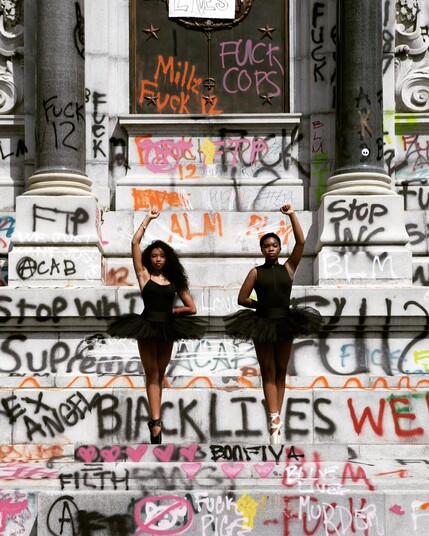
Is this the same monument? That photo blew me away...

(Photo by Julia Rendleman)

@airwhale yes, that’s the Robert E. Lee pedestal. The photograph is by Julia Rendleman for Reuters. It ran into number of media outlets, including the Economist and the Guardian.
@Deglassco Thanks a lot, I will update the post with a photo credit. It was such a flood of posts across all media and I found it wo much attribution.