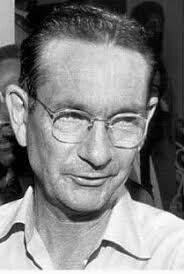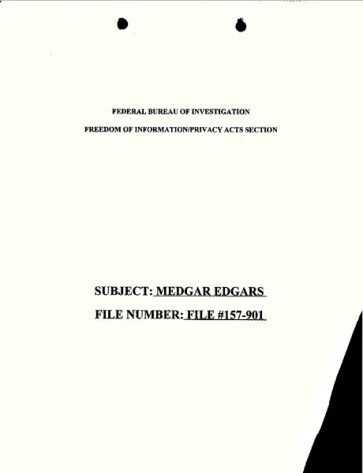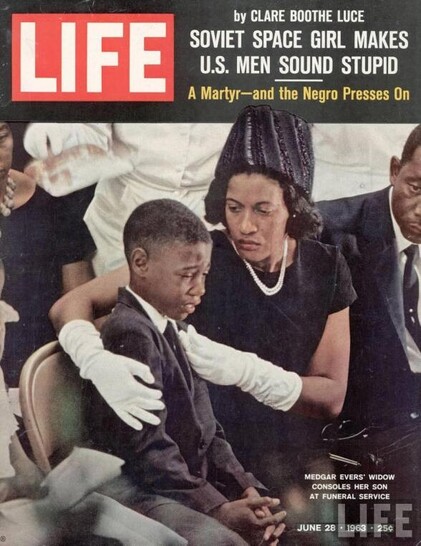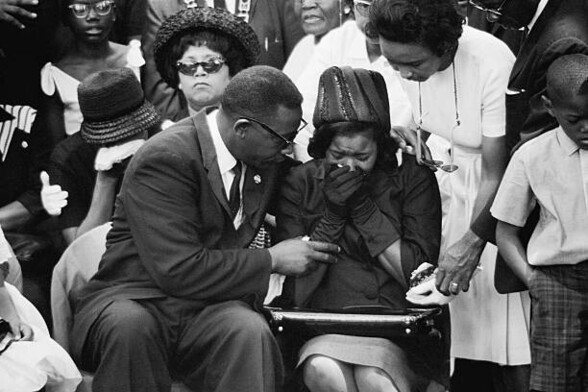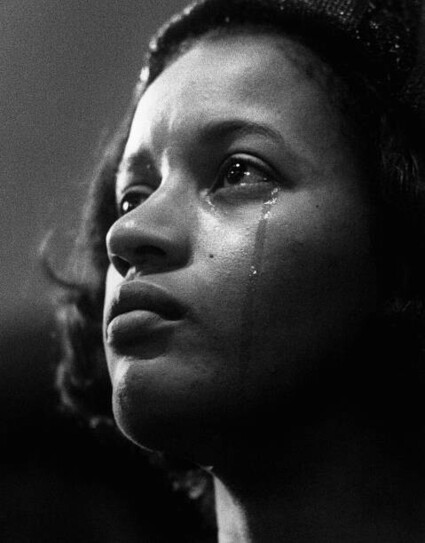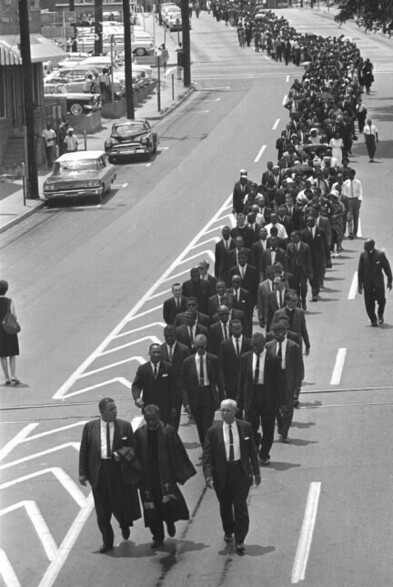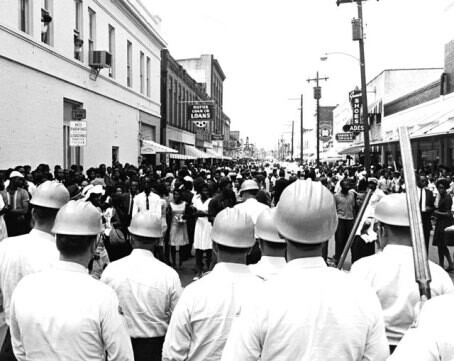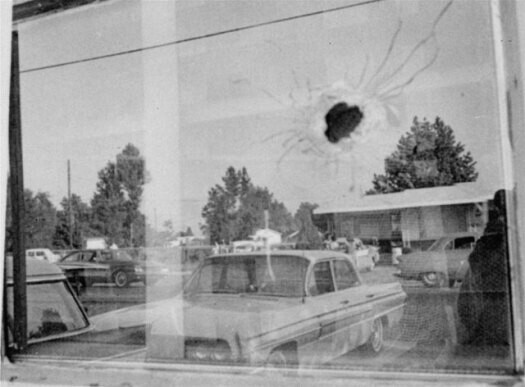
Exactly 60 yrs ago, on June 12, 1963, NAACP Mississippi field secretary, Medgar Evers, returned home. Carrying "Jim Crow Must Go" t-shirts, he was shot in the back. His wife found him bleeding at the door. He died later. At his funeral, brutal police tactics failed to suppress anger among 1000s of mourners. Later, Medgar received the 1963 Spingarn medal for his contributions and sacrifice.

1/13

#Mississippi #BlackHistory @[email protected]@BlackMastodon#BlackMastodon
#histodons #History
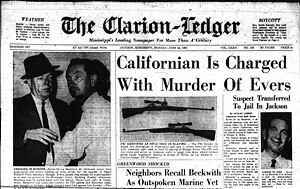
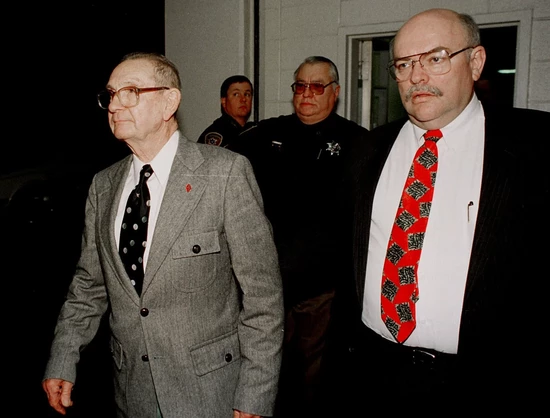
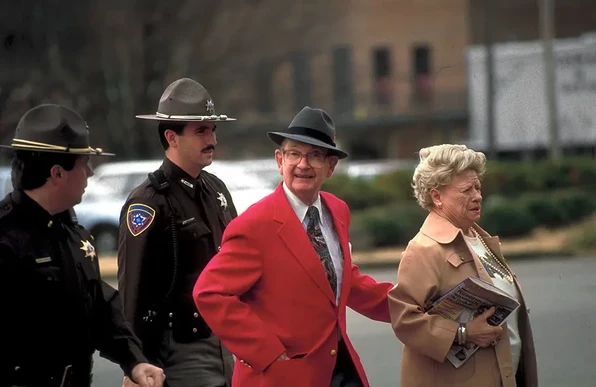
After an investigation, Byron De La Beckwith emerged as the prime suspect in Medgar’s murder. Despite incriminating evidence & eyewitness testimony, Beckwith denied shooting Medgar, claiming his gun was stolen. The trials were heated battles amid segregation tensions. Influential figures, like Mississippi Governor Ross Barnett, supported Beckwith, even shaking his hand in front of the jury.

2/13

#histodons #BlackMastodon
#Mississippi #BlackHistory
#History

Beckwith was arrogantly confident throughout the trial—-making no effort to conceal his disdain for Black people. In 1964, he was released when two all-white juries couldn't reach a verdict.

In 1989, the question of Beckwith's guilt resurfaced with the revelation of files from the disbanded Mississippi Sovereignty Commission. This organization operated in the 1950s to bolster support for segregation and white supremacy.

3/13

#histodons #BlackMastodon
#Mississippi #BlackHistory
#History to

The published accounts indicated that the Mississippi Sovereignty Commission had aided Beckwith's defense team in vetting potential jurors during the initial trials. While the Hinds County Mississippi District Attorney's office found no evidence of jury tampering, it did uncover additional witnesses. Some of these individuals eventually testified that Beckwith had boasted about the murder to them.

4/13

#histodons #BlackMastodon
#Mississippi #BlackHistory
#History

Beckwith later served a lengthy prison sentence in Louisiana for trying to kill
A.I. Botnick, director of the New Orleans-based B'nai B'rith Anti-Defamation League. In 1979, while in the prison infirmary, he refused treatment from a Black nurse's aide. Overheard by a guard, Beckwith stated that if he could eliminate an "uppity" Evers, dealing with the "no-account" aide would be no trouble. The guard's testimony in Beckwith's 3rd trial in 1994 was crucial.

5/13

#BlackMastodon #BlackHistory

The trial was triggered, in part, by The Clarion-Ledger of Jackson Mississippi publishing accounts of the Mississippi Sovereignty Commission's assistance in Beckwith's earlier trials, revealing their role in jury selection. During the 1990s, a fresh wave of investigators and prosecutors meticulously reexamined existing evidence and unearthed new information.

6/13

#histodons #BlackMastodon
#Mississippi #BlackHistory
#History

Consequently, Beckwith faced a 2nd indictment for the murder of Medgar Evers in December 1990. Despite several appeals, the Mississippi Supreme Court ruled in April 1993 in favor of a 3rd trial.
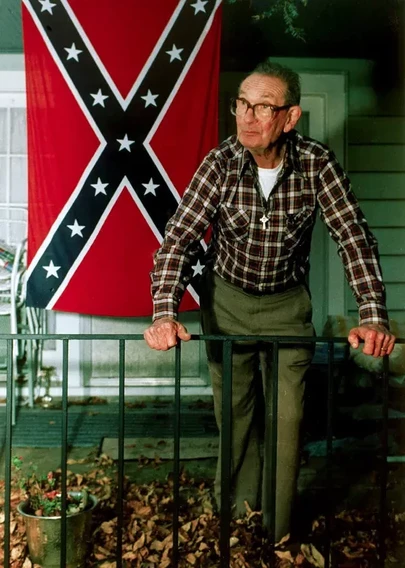
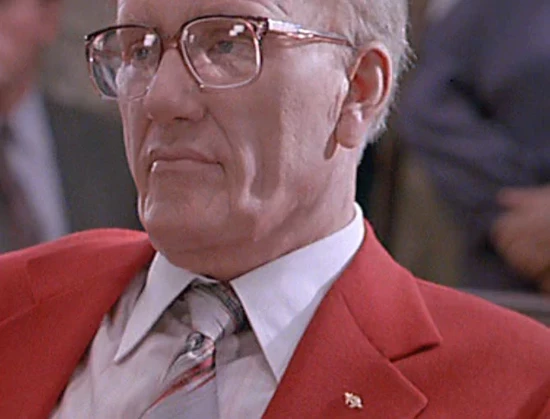
Beckwith, now older & only slightly less arrogant, defiantly displayed a Confederate flag on his lapel throughout the trial. Testimony began 10 months later with a racially diverse jury consisting of 8 Black & 4 white individuals.

7/13

#histodons #BlackMastodon
#Mississippi #BlackHistory
#History

Finally, in February 1994, 31 years after Medgar Evers' murder, Byron De La Beckwith received a conviction and a life sentence in prison. The New York Times reported that upon hearing the guilty verdict on February 5, 1994, Beckwith appeared bewildered, seemingly unsure of his surroundings.

8/13

#histodons #BlackMastodon
#Mississippi #BlackHistory
#History

In 1996, Rob Reiner released “Ghosts of Mississippi,” which details the murder of Medgar Evers and the long road to justice.

In one iconic scene, Beckwith, on trial, confidently expounds...”Did I kill Medgar Evers? No I did not [chuckles] 
But he sure is dead... he ain't never coming back.”

Beckwith tried and tried to get out of jail. He never did. He died there in January 2001 at the age 80.

https://m.youtube.com/watch?v=20oxunHjfQQ&pp=ygUrZ2hvc3RzIG9mIG1pc3Npc3NpcHBpIGJ5cm9uIGRlIGxhIGJlY2t3aXRoIA%3D%3D

9/13

#histodons #BlackMastodon
#Mississippi #BlackHistory
#History

Ghosts of Mississippi - "White Christians" - James Woods

YouTube

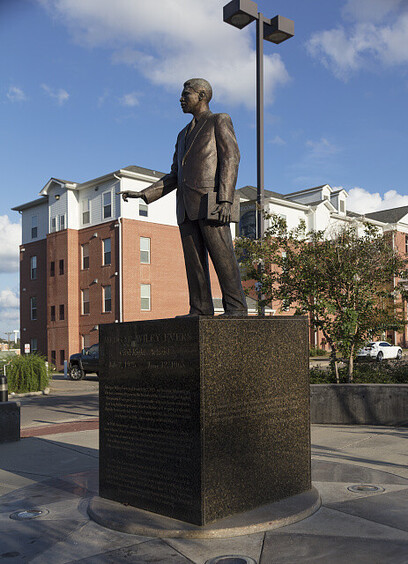
Following his murder, many tributes have been paid to Medgar Evers for his contributions and sacrifice to the civil rights movement. His wife established the Medgar and Myrlie Evers Institute in Jackson, Mississippi, as a means to uphold their shared dedication to social progress. Additionally, one of the campuses of the City University of New York was named after the martyred activist.

10/13

#histodons #BlackMastodon
#Mississippi #BlackHistory
#History

Notably, in 2009, the U.S. Navy honored Medgar Evers by naming one of its vessels after him. Furthermore, in early 2017, President Obama designated the Evers' residence as a national historic landmark, underscoring the significance of recognizing and preserving crucial civil rights sites in Mississippi and across the United States of America.

https://youtu.be/Qpug4Nq6U50

11/13

#histodons #BlackMastodon
#Mississippi #BlackHistory
#History

Myrlie Evers-Williams Delivers Invocation for President Obama's Inauguration

YouTube
How the assassination of Medgar Evers galvanized the civil rights movement

In 1963, the activist and WWII veteran was murdered hours after the announcement of landmark civil rights legislation. It took 30 years to convict his killer.

National Geographic

A few books on the topic

—-Dittmer, John. *Local People: The Struggle for Civil Rights in Mississippi*. Jackson: University Press of Mississippi, 1994.

—-Evers, Myrlie B., and William Peters. *For Us, the Living*. 1st ed. Garden City, NY: Doubleday, 1967. Reprint, Jackson: University Press of Mississippi, 1996.

—-Scott, R. W. *Glory in Conflict: A Saga of Byron De La Beckwith*. Camden, AR: Camark Press, 1991.

#histodons #BlackMastodon
#Mississippi #BlackHistory
#History

13/13

@Deglassco Hi, what biography would you recommend on the life and times of Medgar Evers?

I first learned about Medgar Evers from songs by Phil Oaks. I can still hear the first line from "Love Me, I'm a Liberal", "I cried when they shot Medgar Evers; Tears ran down my spine." Oaks wrote it in '66. I was introduced in a class at UCSB in the late '70's.

I've been curious about Medgar Evers since then. It's time for me to be better educated.

@rdfranke I would start with The Autobiography of Medgar Evers because it is written in his own words. It gives a good overview of the times in which Evers lived —-the resistance and challenges he faced. It provides a lot of context. It is primary source material, but written in a narrative that is quite appropriate for general leadership. Then, there is the foundation for going to other biographies.
@Deglassco Thanks, I just placed an order for "The Autobiography of Medgar Evers", Evers-Williams, Myrlie. I also added: " Remembering Medgar Evers: Writing the Long Civil Rights Movement (Mercer University Lamar Memorial Lectures Ser.)", Gwin, Minrose C.