I think it's interesting that Apple's approach to AR is trying to make it a computer experience, not a metaverse experience. You're not seeing fake people in a fake room. You're seeing a normal teleconferencing interaction that has been elevated because you can turn your head and see different pieces of it and because you can show a large format of your presentation as if you had many screens that could hover anywhere in the room and spatial audio gives you better sound awareness.

The experience they're selling isn't "check out this new universe we've created." It's "look at what we can do when we can put displays anywhere and let you interact with computing in a new way." It's "what if you could be on an airplane with a 70 inch TV?"


#WWDC #WWDC23 #Apple

@LilahTovMoon The funny thing is that in that image, the woman who is doing that teleconferencing is probably going to have her computer's camera off, because she's got a thing stuck to her face and is looking around at things no one else can see.

And if the other people also wear the headset... they *also* probably turn off their camera, which makes it a less immersive experience even for the other AR users. 😆

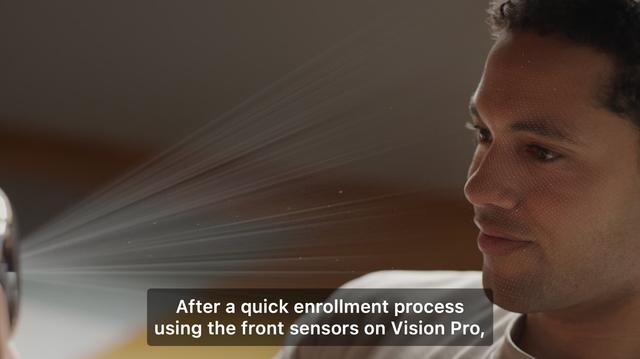
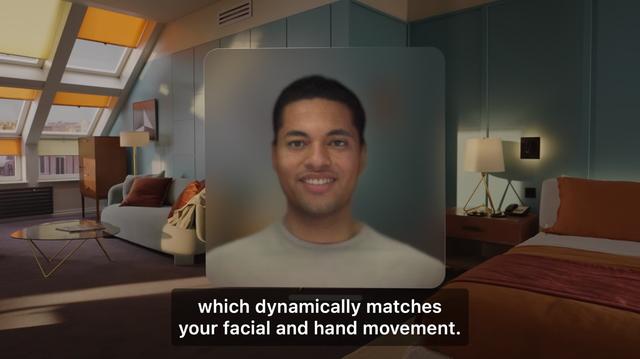
@varx Apple has thought of that. The headset actually maps out your face (kinda like FaceID does) and the headset has sensors that track your facial expressions so that it can offer "video" of you to the other people. I think they said they didn't want it to be a camera pointed at someone wearing a headset.

I'm sure that the software is also showing the presentation to the other people. It wouldn't be as immersive, but having "video" of the person speaking overlaid with the presentation is basically what we have now.

I think that's what made Apple's presentation compelling - the fact that they seem to have thought of many of these cases.

It might not work perfectly, but Apple is addressing seeing the person, their facial expressions, and hand movements in their solution.

One can say that the video of the person looks a little soft-focus, but what makes Apple's announcement so interesting is how they've delved into the details that most companies simply ignore.

@LilahTovMoon Heh, yeah, a few minutes after I sent that I realized "...they're gonna do some weird avatar thingy aren't they."

People seem pretty happy with Zoom's background blurring, so I guess they'll be happy enough with that too.

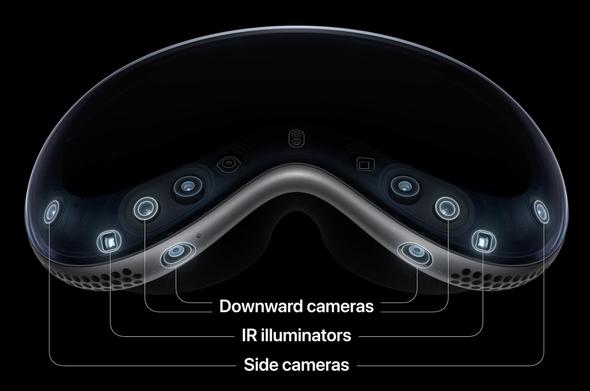
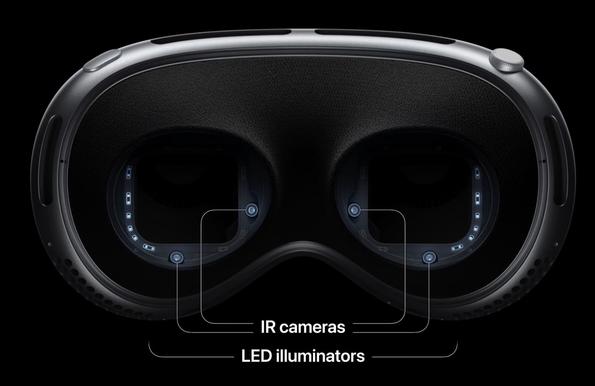
@varx Yea, but it's probably going to be better than normal avatars. The thing has around a dozen cameras in it (2 main cameras, 2 side cameras, 4 downward cameras, 2 TrueDepth cameras (or 1 if you consider it a unit), and 4 IR cameras to do eye tracking), LIDAR, IR illuminators (both for eye tracking and on the room side of things).

We'll see how it works in practice, but Apple is bringing a massive amount of hardware to Vision Pro - including the M2 chip and new R1 processor for dealing with sensor information.

Again, I'm not sold on it. I remain a bit skeptical. At the same time, when Apple introduced iPhone, everyone said it wouldn't sell because touch screens weren't accurate enough to be the main input device. Apple brought a combination of hardware and software that created a new world of smartphones. It might be a flop, but Apple is bringing something that others haven't like they did with iPhone. It still might not be great, but it is well beyond what we've seen in the space so far.