 Sir Rochard 'Dock' Bunson
Josie (6 years old), Bertha (6 years old) and Sophie (10 years old) worked regularly at the Maggioni Canning Company. Work began at 4 AM and the three would make from $9 to $15 a week. Sophie would do six pots of oyster a day and her mother who also worked with her said "She don't go to school. Works all the time."
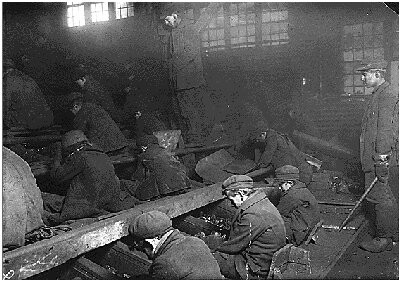
Through such photos, Lewis Hine documented the harsh working conditions borne by thousands of children, who were sent to work soon after they could walk, and were paid based on how many buckets of oysters they shucked daily.
He covered around 50,000 miles a year, photographing children from Chicago to Florida working in coal mines and factories.
These photos helped to raise an outcry against child labor and made the American public become widely aware of the scope of the problem. This resulted in the establishment of organizations such as the National Child Labor Committee, in 1904, which led the fight against child labor.

 MugsysRapSheet Blog ☑️