 Robert McNees
Astronomer Williamina Fleming was born #OTD in 1857. She developed a system to classify stars according to their spectra; cataloged over 10k stars; and discovered numerous novae, nebulae, and variable stars.
Image: Harvard College Observatory
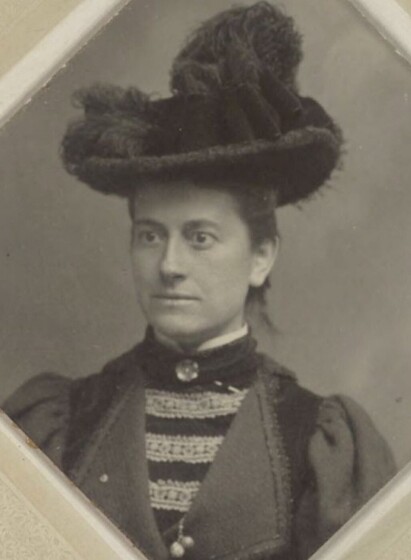
Astronomer Williamina Fleming was born #OTD in 1857. She developed a system to classify stars according to their spectra; cataloged over 10k stars; and discovered numerous novae, nebulae, and variable stars.
Image: Harvard College Observatory
Fleming was born in Scotland, and came to the US with a husband who abandoned her shortly after arriving. Pregnant and looking for work, she found a job as a housekeeper for Edward Pickering, director of the Harvard College Observatory.
There is an apocryphal story that Pickering, fed up with poor work by members of his staff (all men), complained that his housekeeper could do a better job. I don't know if this is true, but in any case he hired Fleming onto the observatory staff in 1881.
Fleming was the first of the Harvard "computers" — women who sorted and processed astronomical data. At the time, observatories were beginning to be overwhelmed by the volume of data they could collect. What they needed more than anything was more processing power.
Women were paid half of what men were paid, so Pickering could employ more of them.
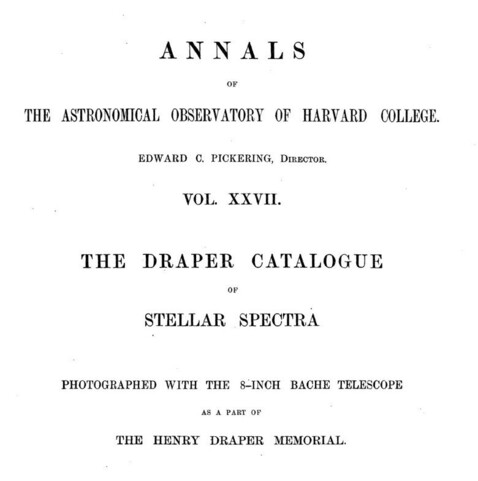
But only Pickering’s name appears of the front of the Draper Catalogue.
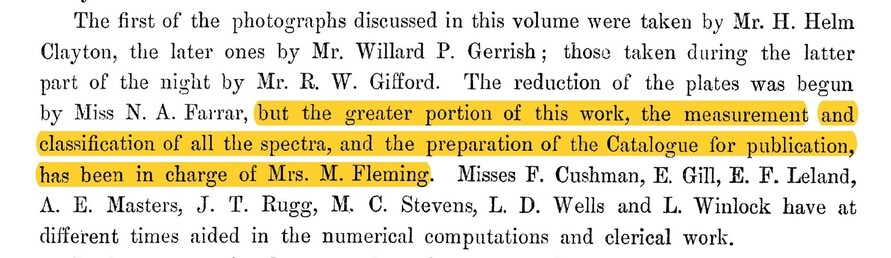
On page 2 he credits Fleming with "the measurement and classification of all the spectra, and the preparation of the Catalogue for publication."
That is quite an “oh by the way...”
https://ui.adsabs.harvard.edu/abs/1890AnHar..27....1P/abstract
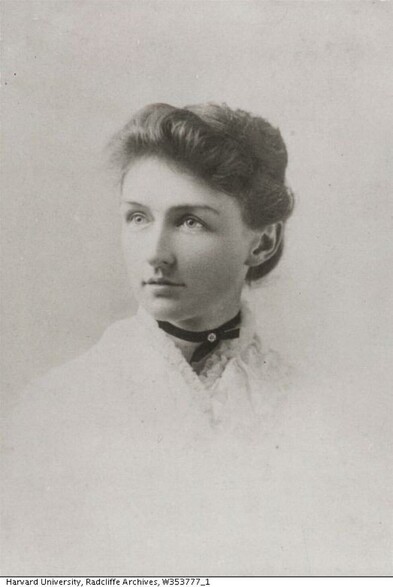
Annie Jump Cannon would later improve on the Pickering-Fleming system. The resulting stellar classification scheme was adopted by the International Astronomical Union in 1922, and is still in use. You can read a thread about her here:
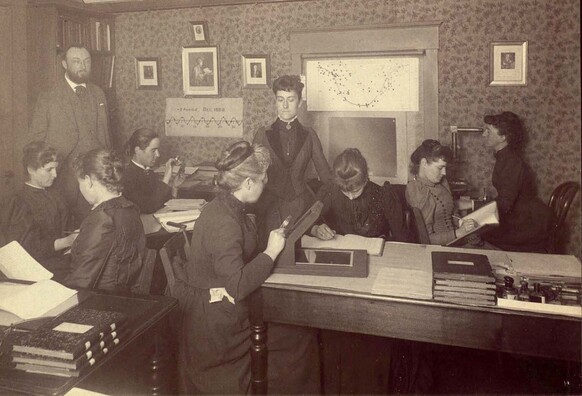
Fleming was put in charge of the Harvard Computers in 1886. Here she is (center) overseeing their work. That's Pickering off to the side.
A number of prominent astronomers entered the field via this sort of work: Henrietta Swan Leavitt, Antonia Maury, and Annie Jump Cannon are all in this photo!
Image: Harvard University Archives (1891)
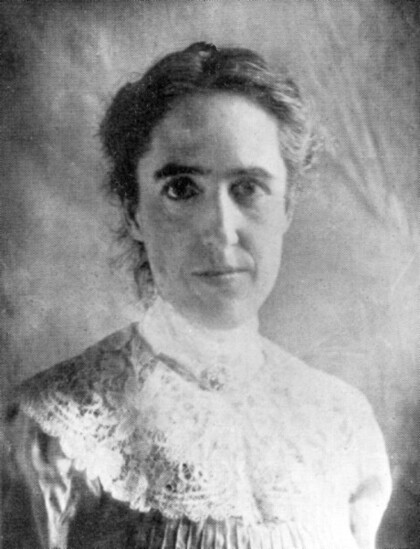
I’ll do a thread on Henrietta Swan Leavitt in a few months, but I've already mentioned her important work on Cepheid variable stars elsewhere:
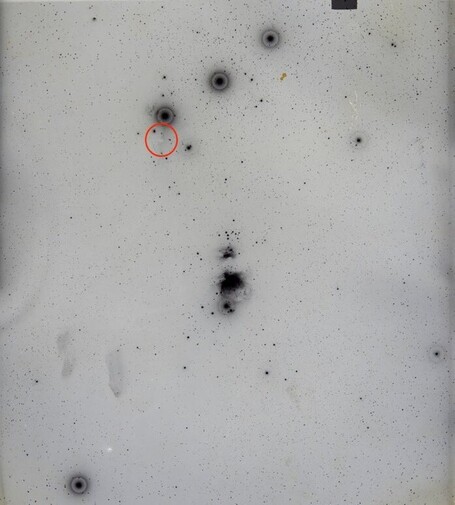
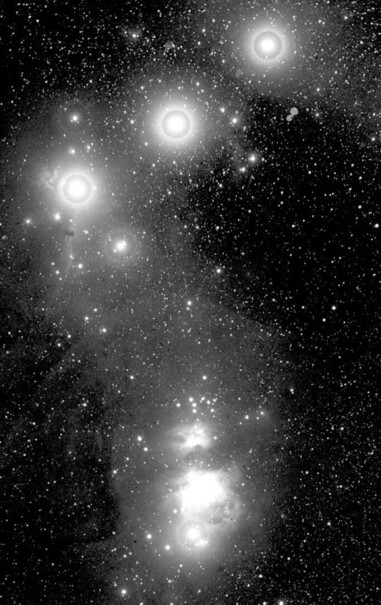
Fleming discovered several astronomical objects throughout her career. Perhaps the best known is the Horsehead Nebula, which she identified on plate B2312 in 1888. But she was denied credit by Dreyer, who compiled the New General Catalog and Index Catalog.
Besides supervising the Computers and conducting her own work, Williamina Fleming was the "production manager" for the observatory. She wrote, edited, and proofed all the papers, tables, and other publications.
Folks drowning in grant proposals can probably identify with this passage from Fleming's journal: “If one could only go on and on with original work..., life would be a most beautiful dream; but you...use most of your available time preparing the work of others for publication.”
One of Fleming’s journals has been digitized by Harvard, you can read it here:
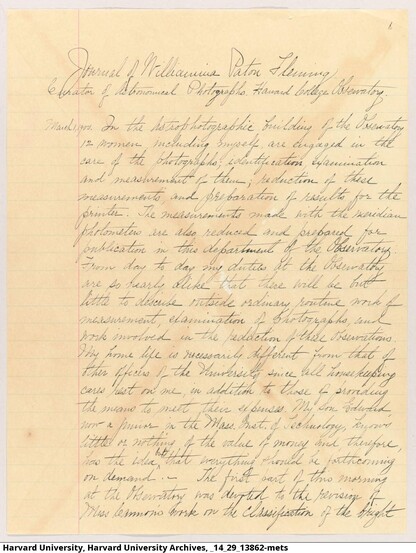
Williamina Fleming was made the Curator of Astronomical Photographs at the Harvard College Observatory in 1898. She was the first woman appointed to this position.
In 1906, she became the first American woman elected to the Royal Astronomical Society.
In 1910, the year before Fleming's death, Pickering asked for her help classifying a star that was puzzling astronomer Henry Norris Russell. It was the faint star 40 Eri B, companion to 40 Eri. She quickly informed him that the star was type "A" in their classification scheme.
This seemed strange for such a dim object. Type A stars were typically much hotter and brighter. Fleming had made the first spectral identification of what we now call a white dwarf star.
Fleming passed away in 1911, from pneumonia.
There are many good articles about Williamina Fleming and the work of the Harvard Computers. Here’s one from Harvard:
https://www.harvardmagazine.com/2017/01/williamina-fleming
And another from the BBC, about digitization efforts:
