 John Ross
I was today years old when I learned that there may be a relationship between pollen counts and viral respiratory infections. Pollen impairs the immune response to viruses, and viruses may also be able to hitchhike deep into the airways on pollen grains. High pollen concentrations in March 2020 may have facilitated the spread of COVID during the first pandemic wave 🤧 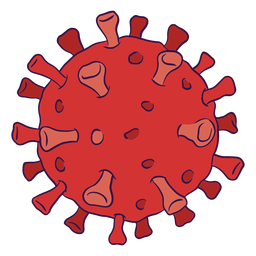
 AstroAttorney 🔭⚖️
@johnrossmd "Sounds like basic common sense." ~Dr. Mom
 Jen, MPH has moved see bio
@johnrossmd “As we cannot completely avoid pollen exposure, we suggest wide dissemination of pollen−virus coexposure information to encourage high-risk individuals to wear particle filter masks during high springtime pollen concentrations.” What an unfortunate time for people to be ditching masks.
 Dagnabbit, Pascaline! 💥
@johnrossmd Good that this news is out! It was known they travel well in polluted air, this is interesting extra information. People stil don'[t realise the virus is everywhere, in the air too.
I think it's common sense to wear a mask. But more research should be done to develop a 'common mask': sustainable design, easy to wash, and safe. All those filters, replacements, et cetera make using masks more of a pain and are a big environmental problem.
 LegalQuilts
@johnrossmd so not only is the pollen trying to kill me (seriously this year is so bad seeing is optional) but it brings along little friends to help with the job.
 Christal
@johnrossmd as a life long chronically ill person with idiopathic urticaria and allergies, I always said it was a primordial soup in there just waiting for one microbe. Of course, what did we know.
 Extinction (our fate)
@johnrossmd I remember reading about those effects in the first year of COVID.
 Kat
Kat@johnrossmd @wordshaper what the heck! i’m guessing allergy medication helps with the former (and people with less hay fever are at lower risk), but for the second it’s a physical mechanism and thus unrelated to the presence of an allergic reaction?
@kat @wordshaper I think you're right about the physical mechanism thing, but I'm not sure whether allergy medicine would affect the former. Pollen grains directly inhibit interferon responses to viruses. Allergy medicines block histamine that is produced in response to pollen, but they *probably* wouldn't reverse the interferon piece.
 Dan Sugalski
@johnrossmd @kat This quote from the beginning of the article "Coexposure to airborne pollen enhances susceptibility to respiratory viral infections, regardless of the allergy status." is interesting, and something I didn't know.
One more reason to wear a mask outside in the spring, I guess. (And here I was mostly doing it because hayfever sucks)