 Raymond
 Ars Technica
AI plus MRI yields the ability to recognize what the mind is hearing
System can also reconstruct speech a person imagines.
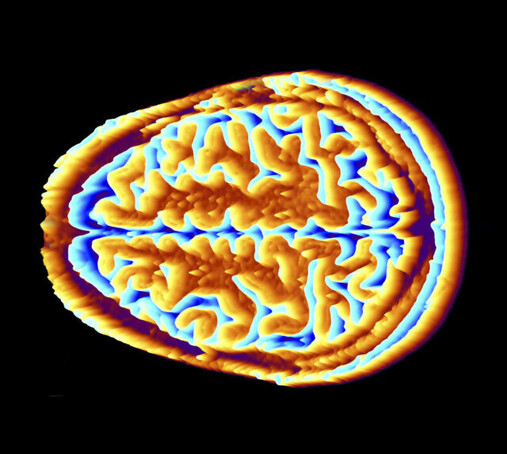
AI plus MRI yields the ability to recognize what the mind is hearing
System can also reconstruct speech a person imagines.
Shares in aluminum mines soar
Yeah, but aluminium is useless for this, the M in MRI stands for Magnetic. They need mu-metal shielding (and lots of it).
I'd be buying up stocks in iron and nickel miners myself.
@arstechnica
I can see some practical uses for this tech (after it matures and has become more accurate). Determining depth of injury for a person who suffered a traumatic head injury, traumatic brain injury, stroke, or Alzheimer's. Determining if a person in a comatose state has any functional cognitive and/or reactive brain activity or if any brain activity is just autonomic in nature.
Interesting subject. Thanks.
It may just give someone with locked-in syndrome a voice. At the moment, those who are locked in have at best a very inefficient eye-gaze method of communication, or in some cases, basically can only indicate very rudimentary yes/no responses.
That said, permanently stationing a patient in a MRI machine is not practical, and a device portable enough to be used say, on a wheelchair could have unintended consequences.

 electrical tape
 Apotropaet
 Stuart Longland (VK4MSL)
 Peter Held
 EvilGinger- Queen of Naps
 Gregnee
 Mori
Mori