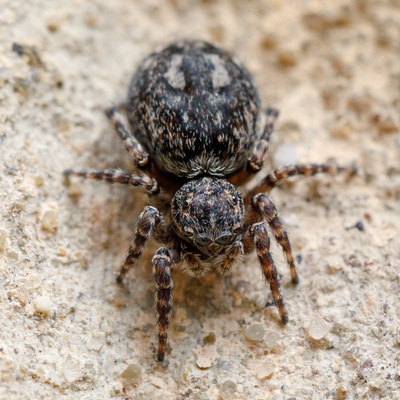
There are no sea shells in the deepest parts of the ocean (at least not big enough for us to see). Shells are mostly made out of calcium carbonate, and beneath 4-5 km depth in the ocean (the Challenger Deep is ~10,902m) the pressure makes the calcium carbonate dissolve. Marine snail shells falling from above will never reach the seafloor – they’ll just dissolve on the way. Anything living in the depths will never see a snail, and only silica-based shells will survive.  #ocean #snails
@helenczerski
Such beauty, a wonderful photo. :)

@helenczerski
Yet another reason to be faintly terrified of - and utterly fascinated by - the deepest reaches of the oceans. Thank you!

(Relatedly, I was reading of deep sea snailfish the other day - fish rather than molluscs, living at the absolute limits of their fishy physiology: https://www.scientificamerican.com/article/deepest-fish-discovered-more-than-5-miles-below-the-sea-surface1/ )

Deepest Fish Discovered More Than 5 Miles below the Sea Surface

A small, bizarre-looking fish was found more than five miles beneath the sea and is considered the deepest fish ever recorded

Scientific American
@helenczerski
I guess acidification from excess CO2 is gradually reducing that 4-5km?
@richardh Yes, but very slowly. And predictions are hard to come by. It’s so deep that it won’t make much difference to most ecosystems, at least not compared with all the other stressors.
@helenczerski I must share this with my son.
@helenczerski Thank you, that was awesome to learn!
@helenczerski That's interesting to know. Thanks for posting.
@helenczerski there you go - some logic to why she only sells sea shells by the sea shore!

@helenczerski

So if there are silica snails then the deep creatures will have seen a snail.