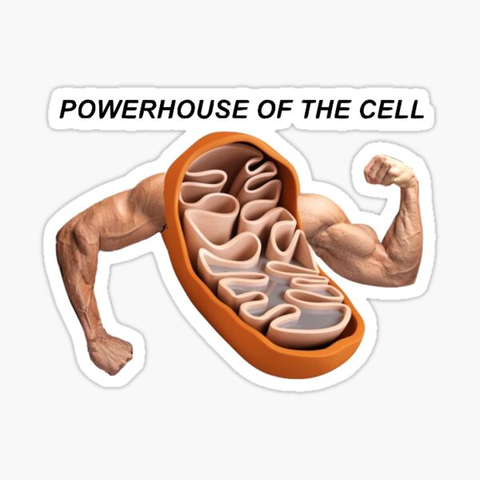
High school didn't teach you how to do your taxes, how to negotiate pay, or the value of creativity, but I bet all of you learned that THE MITOCHONDRIA IS THE POWERHOUSE OF THE CELL.

Let's talk about what you SHOULD have learned about the #mitochondria.
1.
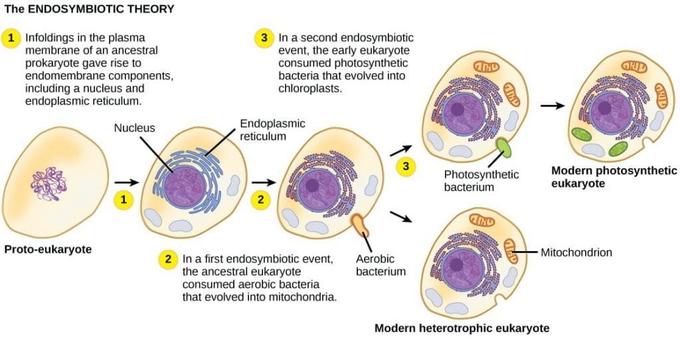
1.45 billion years ago, a prokaryote invaded a eukaryote.

This prokaryote processed a highly corrosive gas, oxygen, to produce 15 times the ATP (energy) of the anaerobic cell it invaded. Over time, it became the mitochondria.

Our bacterial ancestry is in every cell.

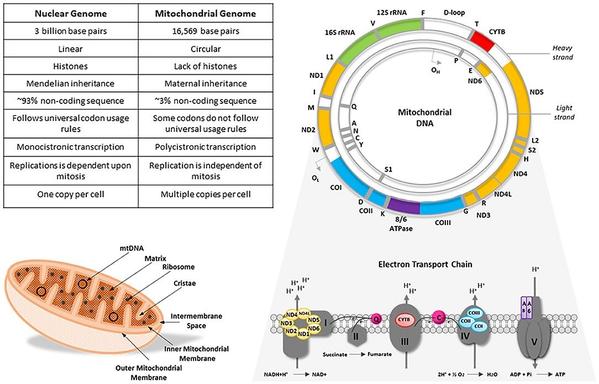
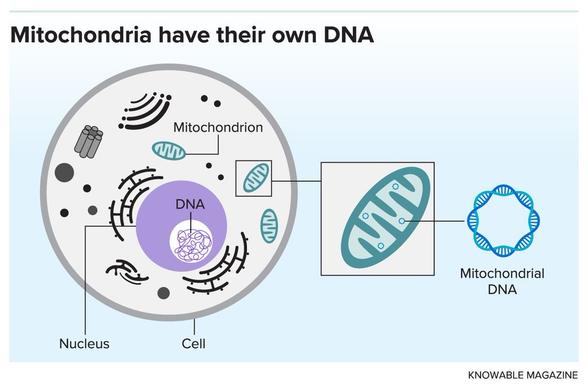
2. The mitochondria has its own genome (mtDNA), a tiny one. For comparison:
mtDNA 16 kilobases
nuclear genome 3,300,000 kilobases (human)

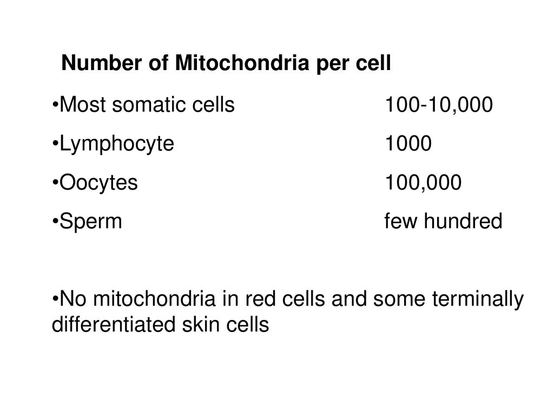
3. The number of mitochondrion per cell in the human body is ~100, but that varies widely.

Red blood cells (80% of all human cells!) have none.

Mature human oocytes (eggs) have ~100,000.

4. Each mitochondria has between 1 and 15 copies of its genome.

That means that a diploid cell might have 2 copies of each nuclear chromosome, but between 10 and 1,000,000 copies of the mitochondrial genome, averaging around 500.

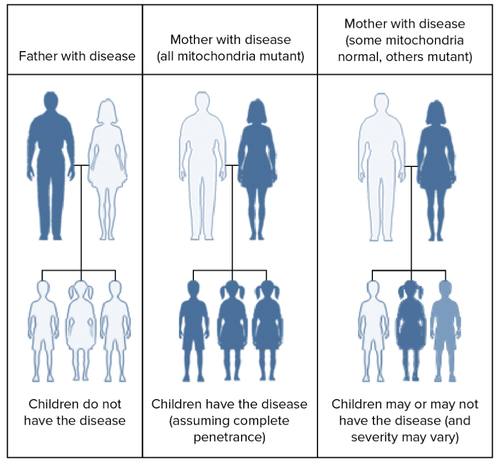
5. Inheritance of your 'mtDNA genome' doesn't follow the rules of nuclear genes.

Because sperm's only mitochondria are discarded in fertilization, convention is that you only inherit your mother's mtDNA, although we are realizing there are some rare exceptions to that rule.

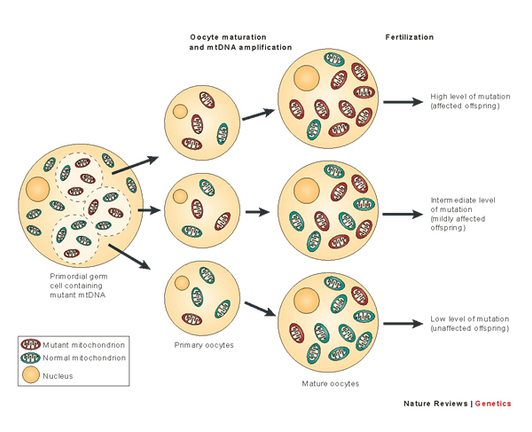
6. The human oocyte (which can have ~100,000 mitochondria, remember) is the "founder population" for all of your cells.

Your cells contain a mixture of any variations in those mitochondria, so if a mutation occurs in mtDNA, it ends up in only some of your adult cells.

7. Identical twins are not genetically identical (which I've discussed in another thread)

They can inherit, by chance, enormous differences in their mitochondrial genetics. One can have a mitochondrial disease or trait that the other does not.

---
RT @c0nc0rdance
Monozygotic ("identical") twins are NOT genetically identical, a fact that has both challenged historical twin studies on heritability of traits and also represents an opp…
https://twitter.com/c0nc0rdance/status/1610035359034867713

c0nc0rdance on Twitter

“Monozygotic ("identical") twins are NOT genetically identical, a fact that has both challenged historical twin studies on heritability of traits and also represents an opportunity for better insights. So why aren't identical twins genetically identical?”

Twitter

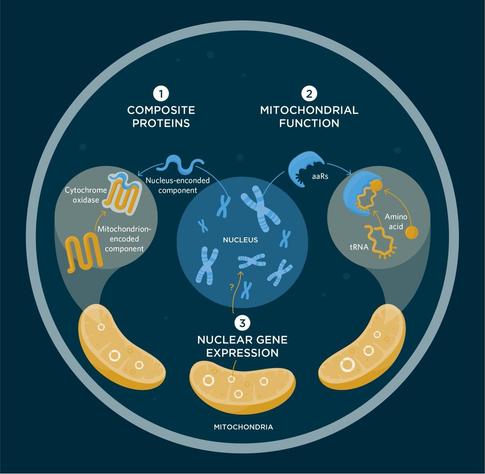
8. Mitochondria aren't self-sufficient.

They have 13 protein coding genes but contain ~3000 proteins, so the genes to MAKE your new mitochondria are in your nuclear genome.

Mitochondria all come from Mom, but new ones are at least partially made from /genes from Dad/.

9. Your mitochondria are short-lived: depending on cell type & metabolic activity, they live between 8 & 30 days before being replaced.

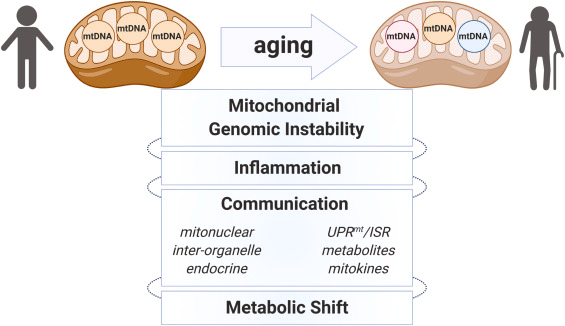
As you age, the number & function of these mitochondria decrease, a key factor in many processes in aging & diseases of older age.

10. Don't believe the pictures you see in textbooks: in reality, they're constantly merging and splitting, in what looks like waves across the cell. There's constant traffic in and out of them, because they're so important in aerobic metabolism.
Better image, showing the flow of mitochondria in a cell: "Mitochondrial movements in mouse embryonic fibroblasts"
Source: https://www.monash.edu/discovery-institute/ryan-lab/research
Research