 Matt Blaze
Who needs a light meter or a histogram? Behold the Posographe, an insanely beautiful 1922 mechanical computer for calculating exposure time based on aperture, time of day, sky conditions, and other variables.
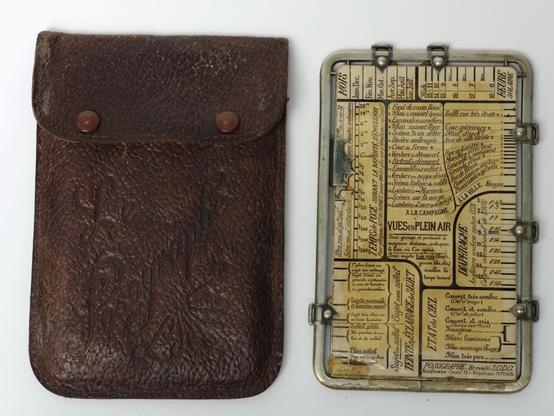
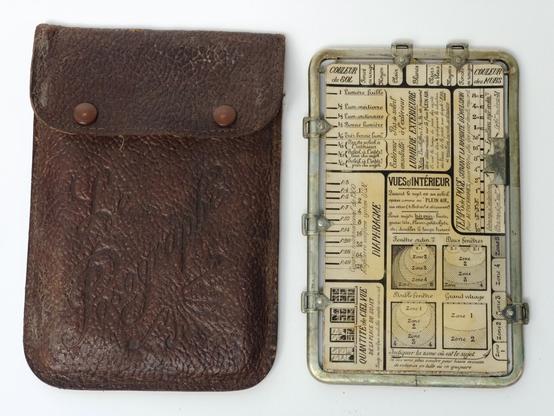
Who needs a light meter or a histogram? Behold the Posographe, an insanely beautiful 1922 mechanical computer for calculating exposure time based on aperture, time of day, sky conditions, and other variables.
Basically: you move the six sliders along the edges to correspond to your aperture and shooting conditions. That moves the exposure slider (which you don’t touch) to the correct shutter speed. There’s an absurdly complex system of internal levers that somehow doesn’t disturb anything other than the exposure slider when you adjust each input.
You can read more about it at https://www.nzeldes.com/HOC/Posographe.htm
I found mine on ebay a while back.
That piece of paper got worn out, when switching from 100 to 200 to 400 film.
I loved taking and developing b&w photos of the deep woods, sans flash, of light and dark, greys and water trickling. It was magic.
Coincidentally
@ct_bergstrom has some lovely feathery pictures just posted.
 Steve Bellovin
 PeaceNick🇨🇦