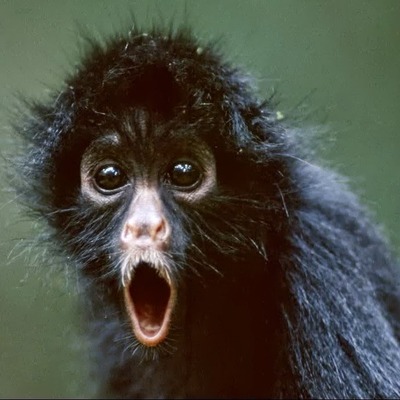
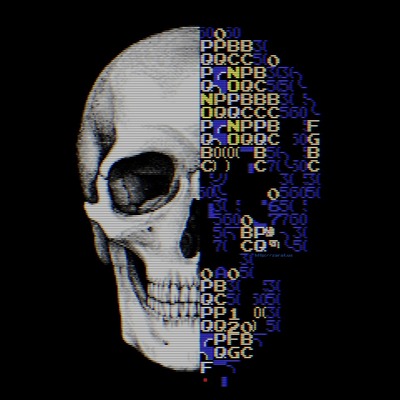
At the front of the house, Alice found two curious characters, both search engines.

"I am Googl-E," said the one plastered in advertisements.

"And I am Bingle-Dum," said the other, who was the smaller of the two, and sported a pout, as to having fewer visitors and opportunity for conversation than the other.

"I know you," said Alice. "Are you to present me with a puzzle? Perhaps one of you tells the truth and the other lies?"

"Oh no," said Bingle-Dum.

"We both lie," added Googl-E.

"But there must be a clue," pouted Alice. "For how else am I to tell when to trust what you say?"

"That's the point!" laughed Bingle-Dum.

"We don't know when we're telling the truth either!" said Googl-E, finishing the other's sentence.

@danhon "Oh well," said Alice, sighing with exhaustion, "I guess if you're both liars, and you're both equally truthful about your propensity to lie, it is still a step up from the ubiquity of human-generated lies — which are just as hard to distinguish from truths, but infinitely more malicious."

@brandonscript @danhon

But a human lie is like an arrow. From its shape and angle of impact, you can tell where it was fired from and for what reason.

AI lies are more like... hailstones. They are launched without shape, or purpose.

@zaratustra @brandonscript @danhon AIs can be trained. Microsoft is not an unbiased source. Their programmers are not unbiased. Their management is not unbiased. Their safety filters are not unbiased (never mind unintended consequences). We're in for an ... interesting ... time.
@stever oh for sure. my facetiousness was that the AI acts out of ambivalence and can only do what it is trained to do vs humans who have the desires to create that bias in the first place. but you are entirely, scarily, correct 😥 @zaratustra @danhon