I recently finished Julie Otsaka's short, powerful first novel _When the Emperor Was Divine_. It's a story of life in the WWII internment camps, told from multiple perspectives.

As a nation we have never adequately grappled with what we did to Japanese-Americans during World War II. We teach it now—at least in Seattle—which is a good thing, but the scope of what we did remains unappreciated.

This book is an essential read.
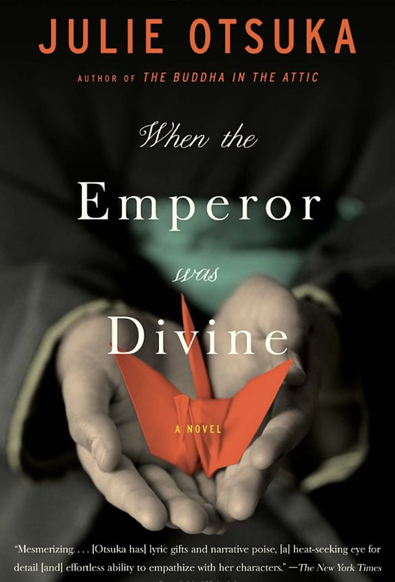
Going to school in the 1980s, I was never taught anything about this racist atrocity. As an adult I've read a fair bit about both the political winds that led the country to this and about life in the camps themselves. Yet this book showed me angles on what happened that were every bit as important, and traumatic as what I'd studied, yet I had not even begun to consider. For example, when allowed to go home, the residents of the camps were not returning to life as they'd known it before the war.

We all have different things that touch us. For some, it's stories on the printed page. For others, songs or spoken narratives. For yet others, photographs.

You may not know that the US government hired Dorothea Lange to photograph the "relocation effort."

She clearly saw the injustice and human tragedy that was unfolding, and documented it unflinchingly.

Her work was censored, and only in 2006 made broadly available.

Take a moment and see what she saw.

https://anchoreditions.com/blog/dorothea-lange-censored-photographs

Dorothea Lange’s Censored Photographs of FDR’s Japanese Concentration Camps — Anchor Editions

The military seized her photographs, quietly depositing them in the National Archives, where they remained mostly unseen and unpublished until 2006.

Anchor Editions
@ct_bergstrom this sentence stood out:
“The very fact that no sabotage has taken place to date is a disturbing and confirming indication that such action will be taken.”
— General John L. DeWitt, head of the U.S. Army’s Western Defense Command