What do you expect opening up a keyboard?
an ARM chip, probably a Cortex-M0? Some 8051-clone? Maybe a some anonymous 8-pin microcontroller, or a blobbed over IC?

HOW ABOUT AN IBM PC? AS IN, IT'S AN 8088-COMPATIBLE RUNNING ACTUAL FUCKING PC-DOS?

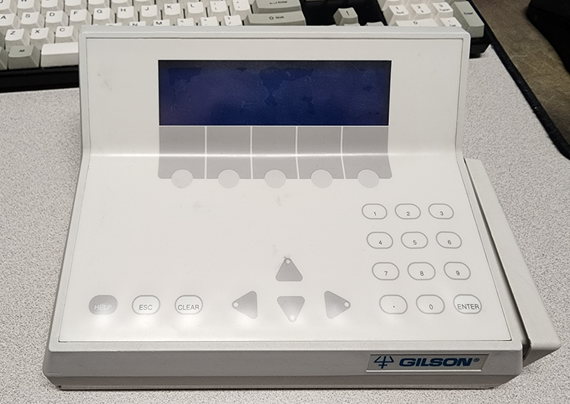
So this is a Gilson keypad, rather than a traditional keyboard. This is a control pad for some kind of automatic liquid handling system. Something like a pick-and-place, but with pipettes.
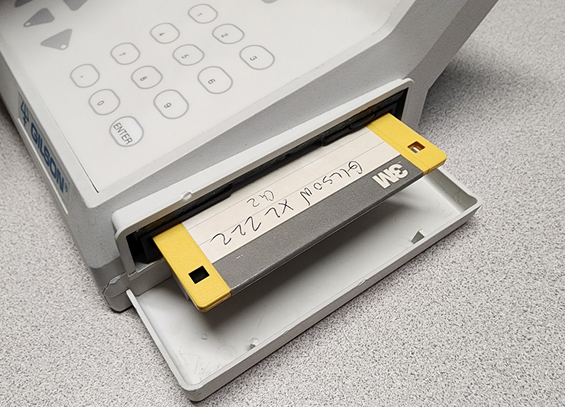
The first hint that this was more than a simple keypad is that it turns out it has a floppy drive.
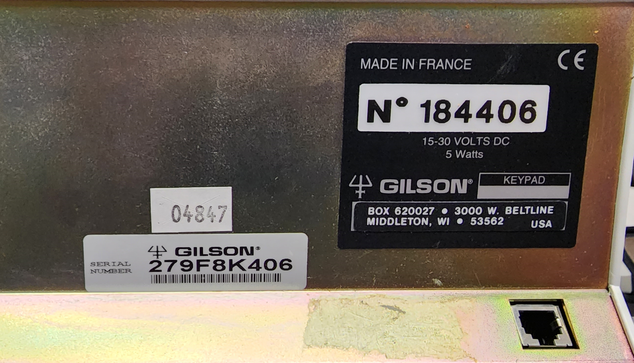
On the back, we've got some numbers. Gilson N184406, 15-30 volts DC, 5 watts, and serial 279F8K406
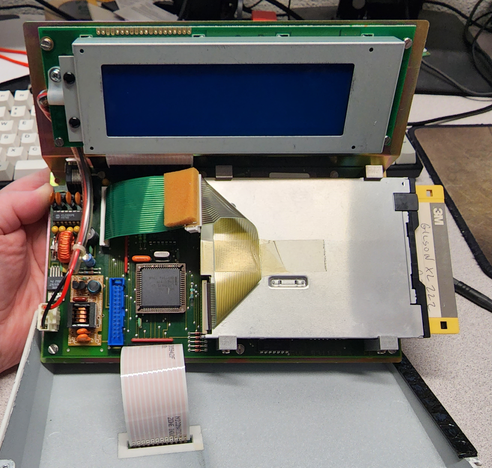
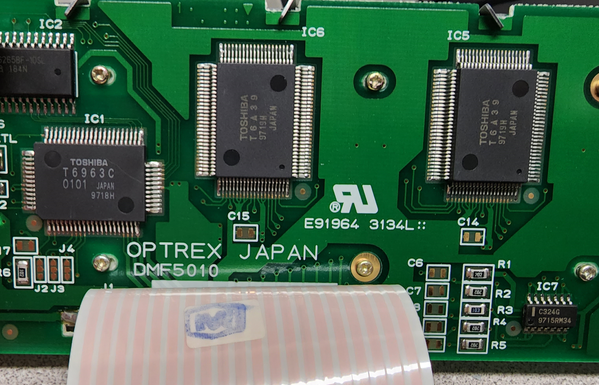
So let's open it up. We've got one main PCB and a separate LCD module, which looks to be off-the-shelf.
The LCD module turns out to be an Optrex DMF5010
That's a 240x64 pixel monochrome display with CFL backlight.
It is also mounted upside down.
Whoops.
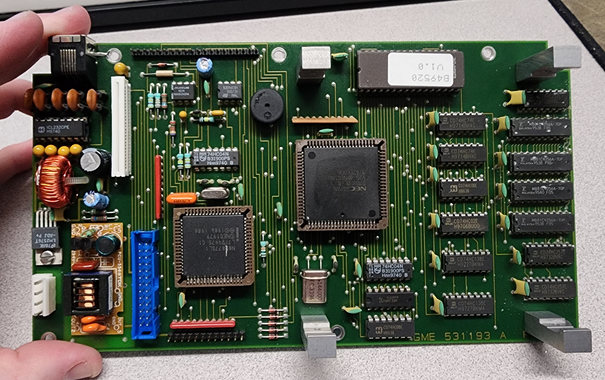
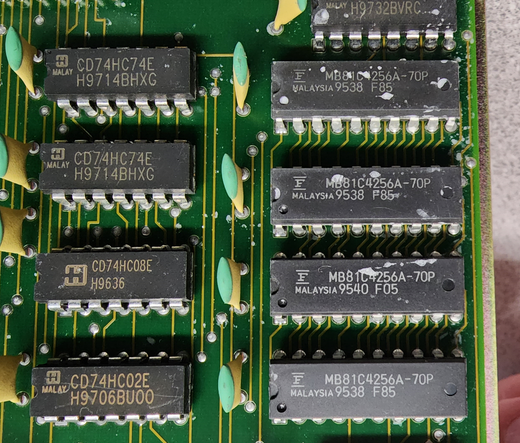
So after removing the compact 3.5" floppy drive, we can remove the main PCB. It's got two big chips and an EPROM.
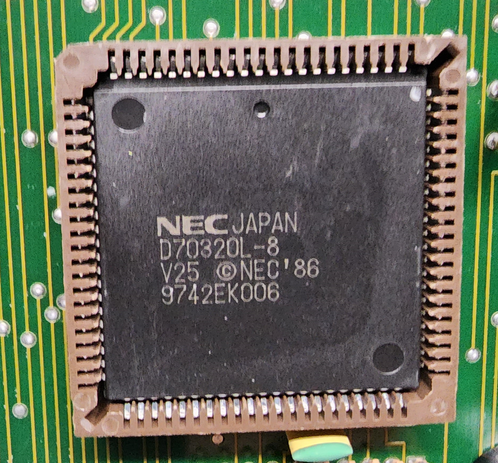
The main chip is an NEC D70320L-8. That's an 8mhz V25, a sort of system-on-a-chip 8088.
It's a 16-bit chip with an 8-bit external bus.
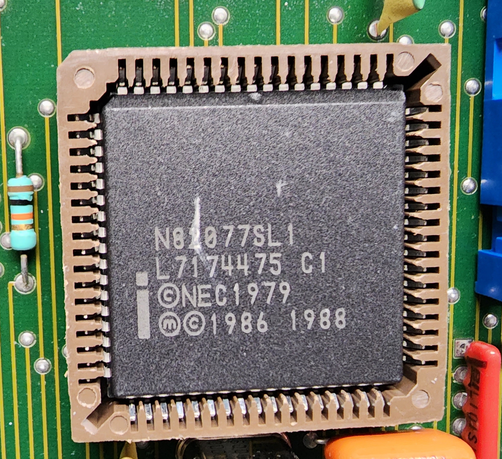
The other big chip is an N82077SL1. That's an NEC-produced version of the classic Intel 82077 floppy disk controller.
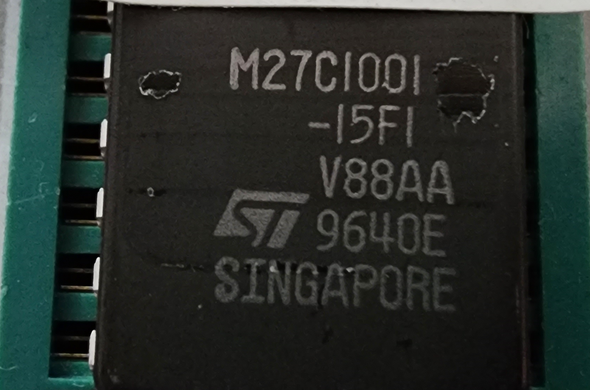
The EPROM is an ST M27C1001, a 128-kilobyte model.
The board has four MB81C4256A-70P DRAM chips. Those are 128 kilobytes each, for a total of half a megabyte.
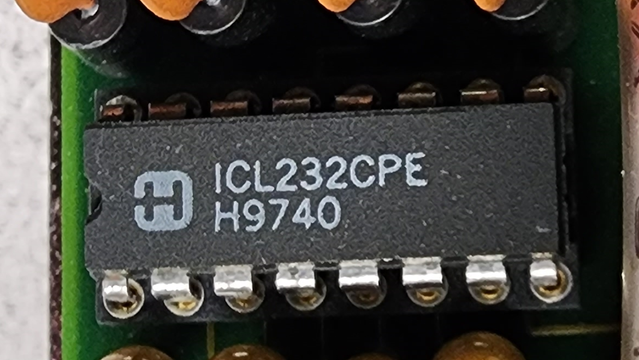
Placed near the 6-pin connector is an ICL232CPE chip.
That's an RS232 transceiver, so apparently this talks serial to the main box.
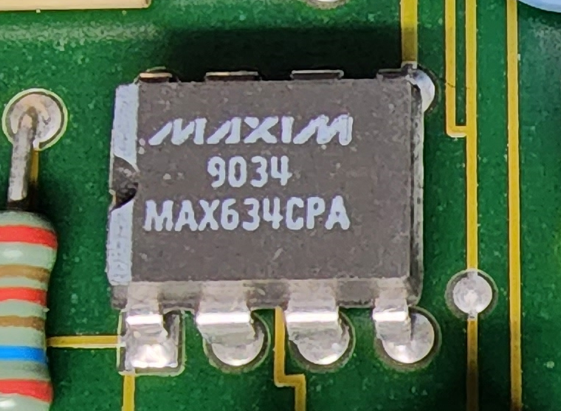
There's a Maxim MAX634CPA near the LCD connector. This generates -18v DC, maybe to power the backlight for the LCD?
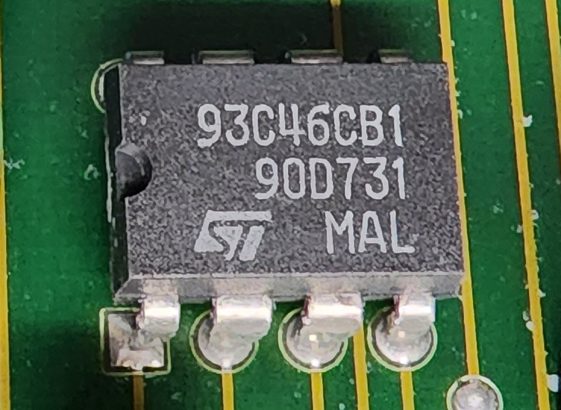
And an ST 93C46CB1 EPROM. 128 entire bytes.
Maybe needed to store the font for the display or something similar?
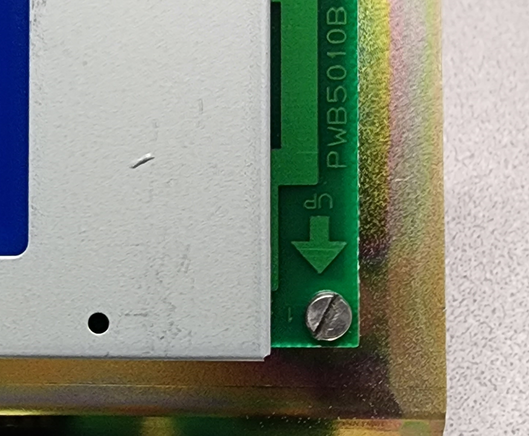
based on the labels on the bottom, I think this board was designed in 1997 and the final build was done in 1998.
Pretty late to be using an DOS PC but maybe this is an evolution of an earlier design, and why reinvent the wheel?
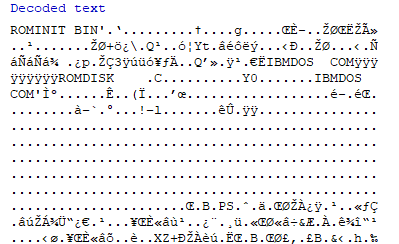
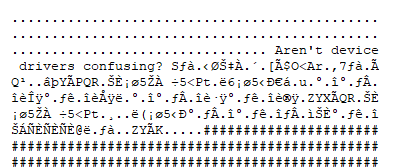
And yeah, after dumping the EPRROM, it has strings in it indicating that it's using a ROM-based copy of IBMDOS (or a licensed clone?)
and there's not a huge amount of other strings in here that suggest there's a full OS on here. I think there's just enough to load a very minimal DOS and then boot the rest of the system off the floppy disk.
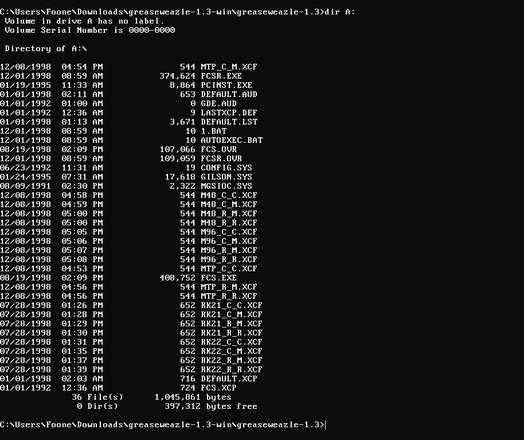
OH LOOK IT'S DOS FORMATTED WHAT A SURPRISE
they sure are
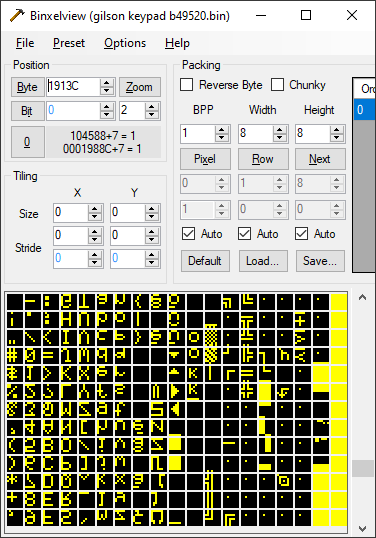
and I found the font! It's in the ROM.
And as expected, it's upside down.
@foone Lol, so, rather than flip the screen (either physically or in software), they just flipped the font? That's hilarious.
@foone Actually, depending on how things were actually displayed, I wonder if this was so that the top of the screen would show the most recent stuff and the older stuff would be pushed down, the reverse of what DOS does by default. It's a very design engineer type of solution rather than a software engineer one.