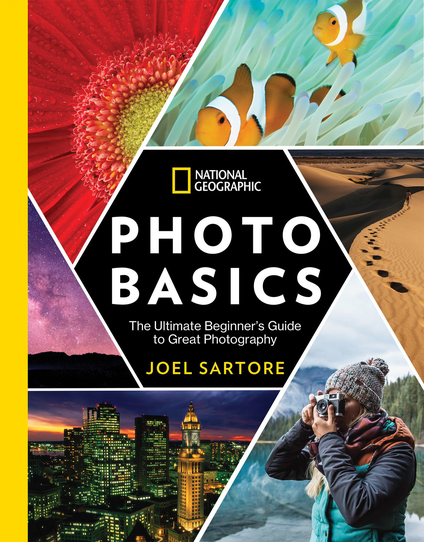
My wife got me the book pictured here (National Geographic Photo Basics) because I said I wanted to learn to take decent pictures of landscapes, mostly.
Now, what camera should I get to begin learning with? I have a phone, but I'd rather use a camera so I can really learn my way around one with this book. I am actively soliciting recommendations. Budget is not of concern at the moment. Thanks in advance!
#photography #camera #photos #beginner #photographer #amateurphotography #naturephotography
@wishx go cheap to start. Learn the basics, then buy up if you outgrow the gear. Shutter priority, aperture priority, manual mode, composition, culling, and editing. Those are the are key skills to know and an inexpensive camera will let you do all that. It’s not the gear, but your knowledge and eye that will serve you best.
@wishx Canon Powershot has a 65x zoom, auto focus, manual settings, filters, video recording options, save settings and more. A bridge camera, so you can learn manual settings but use auto focus and zoom without changing lenses. I use it for wildlife and simple astrophotography. Worth a look-see! Also includes download for Canon photo-editing software, which is extensive.
@jenned Fantastic equipment recommendation. Thanks!
@wishx Sorry, full model name is Canon Powershot SX70 HS.
@wishx This is with Canon Powershot SX70 HS using zoom at moderate distance.

@wishx

I'm going to be the one to recommend post-processing for any digital photo. For years I shot with good quality point-and-shoot cameras using aperture priority and shooting in RAW. But it was in editing software that I learned to correct, adjust and enhance my photos to make them look like from a good DSLR. Not "change" the photo, but enhance them.
Definitely read the book, you will learn a lot. Composition being the most important imho. And then post-process. 😀

@wishx in my experience, the camera you choose is less important than the lenses you begin to collect. So, I'd browse lenses for the type of photography you aspire to and see if they cluster in Canon-mount or Sony-mount. Then, choose your camera body accordingly. These days, mirrorless is the way to go, and the difference in results will be much more influenced by the glass than the sensor, all else being equal.
@wishx
I hope some knowledgeable people answer you because I'd like to know how to get started too.
@wishx I'm going to suggest that you borrow, or rent, an interchangeable lens camera (DSLR or Mirrorless) which is not difficult to use and has both accessible manual settings and manual override settings. The camera you learn on will probably not be the camera you'll want later on, and lenses are expensive! You won't know what lenses you'll need until you learn to use the camera. Kit lenses are, generally, not what you're going to want later on.