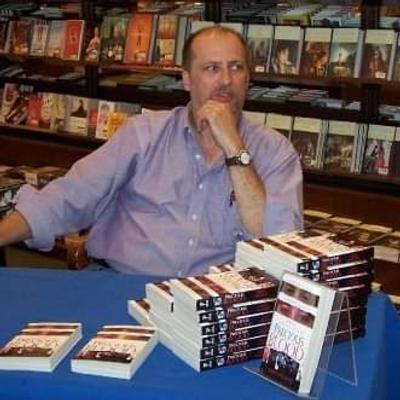
 Sam Adams
I saw mention of Eastern Orthodox Christmas and it reminded me of the now nearly vanished Appalachian tradition of Old Christmas. Few people my age know it, but my grandmother, who was born in 1899, talked about it when I was a child.
Catholics call January 6 the Feast of Epiphany and in Shakespeare's day it was Twelfth Night, but in Appalachia it was and is Old Christmas. A friend celebrates it when her adult children come home for Christmas after celebrating 1/3
#holidayseason #ChristmasEve
Catholics call January 6 the Feast of Epiphany and in Shakespeare's day it was Twelfth Night, but in Appalachia it was and is Old Christmas. A friend celebrates it when her adult children come home for Christmas after celebrating 1/3
#holidayseason #ChristmasEve