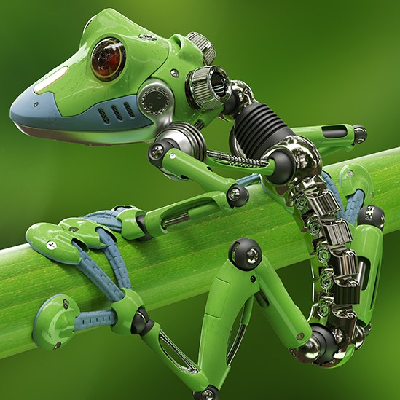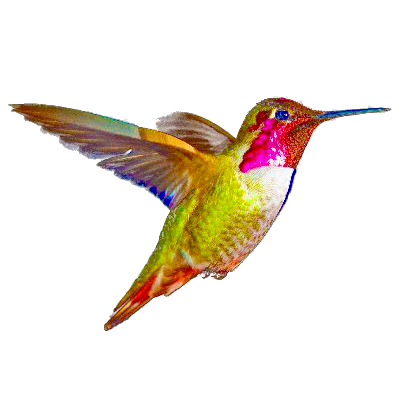
The German language has quite a few animalistic verbs:

fuchsen ("to fox") = to annoy
hechten ("to pike") = to dive
reihern ("to heron") = to puke
dackeln ("to dachshund") = to walk slowly
aalen ("to eel") = to bask
vögeln ("to bird") = to have sex
einigeln ("to hedgehog in") = to curl up
hamstern ("to hamster") = to hoard
schlängeln ("to snake") = to wriggle
stieren ("to bull") = to goggle
unken ("to toad") = to gripe, augur doom
tigern ("to tiger") - to walk tigerishly

Animaljoy our language!
@jensclasen mein Gott, ich glaube das ich nie die Sprache perfekt sprechen werde, egal wie lange ich Deutschland lebe:((
@Musik @jensclasen Das ist doch nicht schlimm, selbst viele Deutsch können kein perfektes Deutsch sprechen...
@MagicLike Danke dir, aber manchmal ist es schon ein bisschen frustrierend:) Gut das ich Musikerin bin, da sprechen wir universelle Sprache:))
@Musik
Davon träumst du 🤣
B/"Cb" = H
Bb/A# = B
🤪
@MagicLike

@Paazraaf @Musik @MagicLike

Bb and A# re not necessarily the same... ...(enharmonic)

@dolorosus
I know there's contextual differences and also on bowed instruments it can make an actual difference... Is there something else I'm unaware of?
@Musik
@Paazraaf @dolorosus no idea. I’m not so strong in the music theory, although I’m violinist ( suppose I’m not the only one 😁).
@Musik
I've tried (and sometimes even learned) quite a few instruments as a kid and gathered some bits and bobs by that.
That said, pretty much all of them were just things I manipulated one way or the other to make them produce noise at certain pitch and time. Voice and the guitar(/bass) were the first things where I actually felt music in them while doing the things. And those are primarily self-taught, so I'm quite limited there, too 😅
@dolorosus