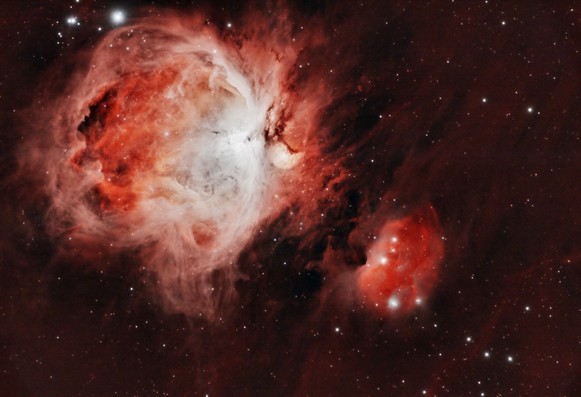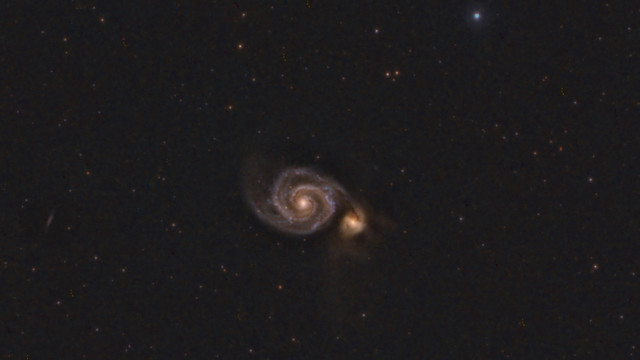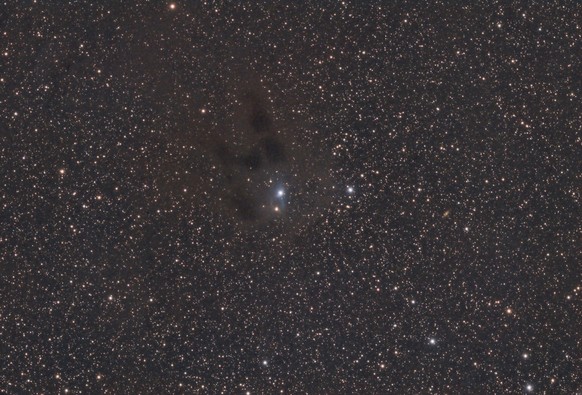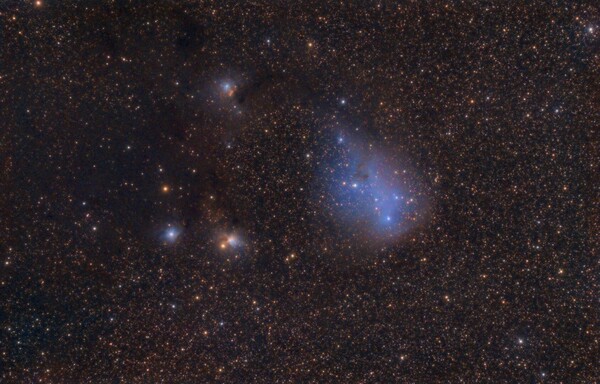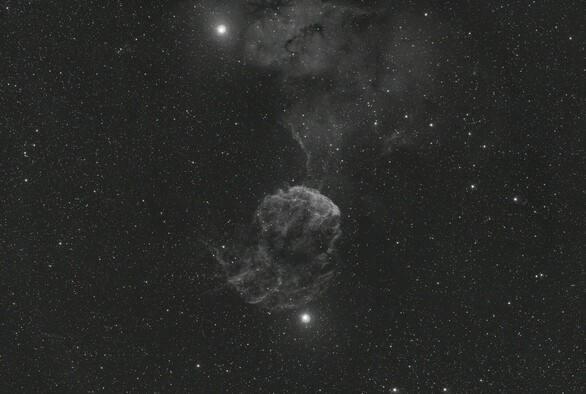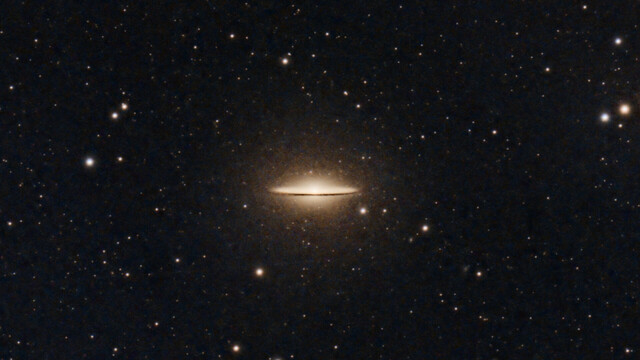
Had more time than normal this past year to operate backyard observatory (for reasons!). Just completed a 2022 summary report (because more reasons) so thought I would share here:

Imaging nights: 98
Targets: 35
Total subs: 4757
Usable subs: 2800
Discarded subs: 1957
(power lines, wx, tracking)
Usable imaging hours: 217
Average time / target: 6.2hrs

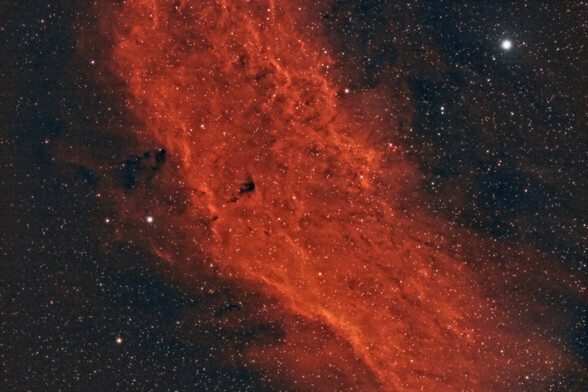
Some results turned out decent, others not so much :=)
These are from January.
#astrodon
#astrophotography
#nlskies2022

Had fun chasing the "galactic wanderer" globular cluster (Caldwell 25, NGC 2419) early Feb 2022. It is located outside our galaxy! Further away than Large/Small Magellanic Clouds.

Here it is 'next' to small galaxy NGC 2424.

Also some other images from early February.

#astronomy #astrodon #astrophotography #nlskies2022

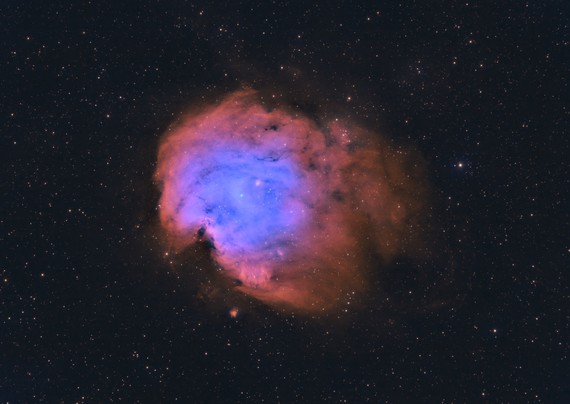
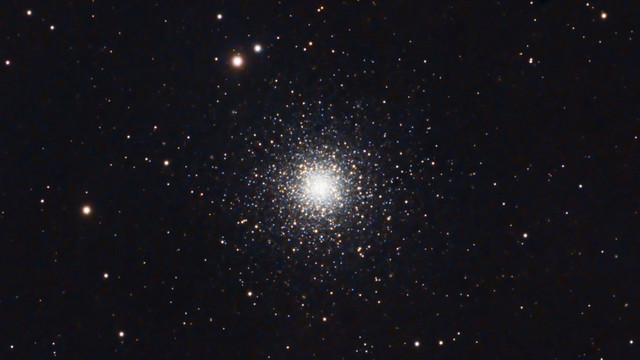
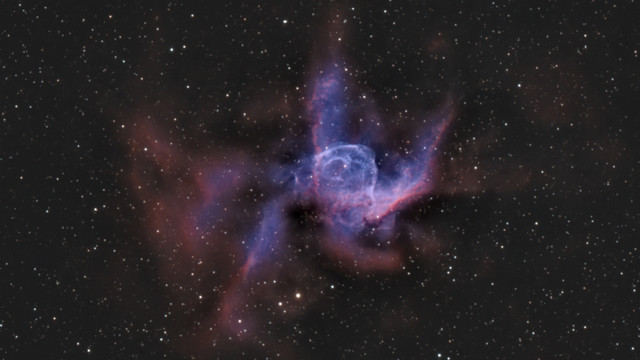
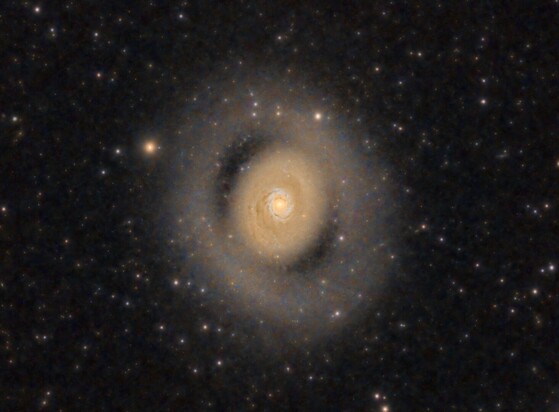
From February and March ... improved my game with respect to processing dual-band filtered images from OSC camera. Specifically L-Extreme and separating Ha, [OIII] channels early in processing workflow.

Here is Monkey Head nebula, M53 globular cluster, Thors Helmet nebula and Croc's Eye galaxy.
Making an effort to add #AltText for all these images. Hope they are sufficient for folks who use them?

#astrophotography #astronomy #astrodon #nlskies2022

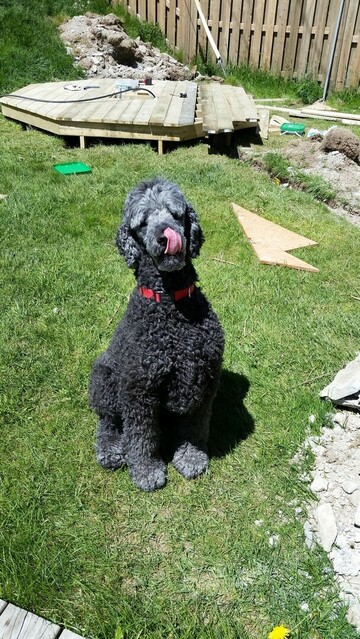
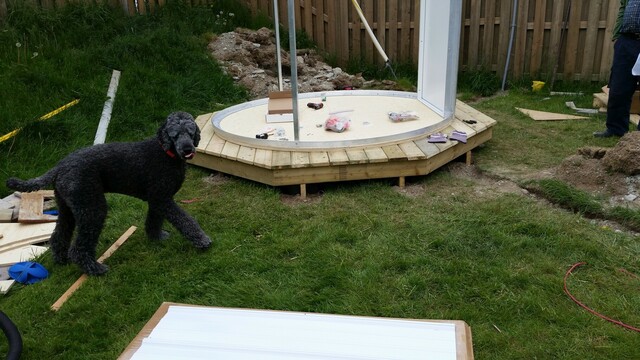
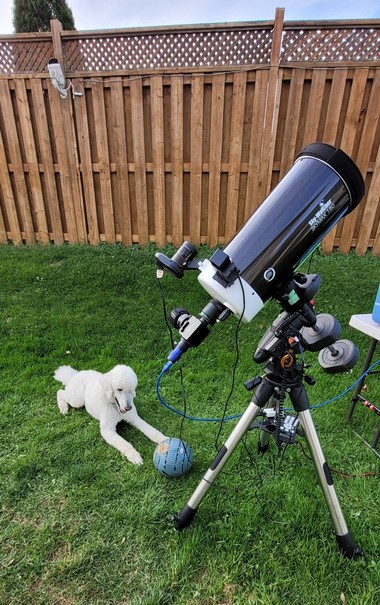
The namesake (and construction supervisor!) for Jack Dog Observatory passed on in 2021. Beginning his journey back to the stars. He is missed. 💕

There is, of course, a new sheriff in town! Louie. 🐩

#DogsOfMastodon #DogsOfAstronomy
#nlskies2022 #astrodon #astronomy

From March and early April.

Try to diversify targets when possible. In this case experimented using dual-narrowband on M97 Owl planetary nebula and nearby galaxy (M108). The galaxy looked terrible after processing (and thusly cropped out!) but the Owl came out decent.

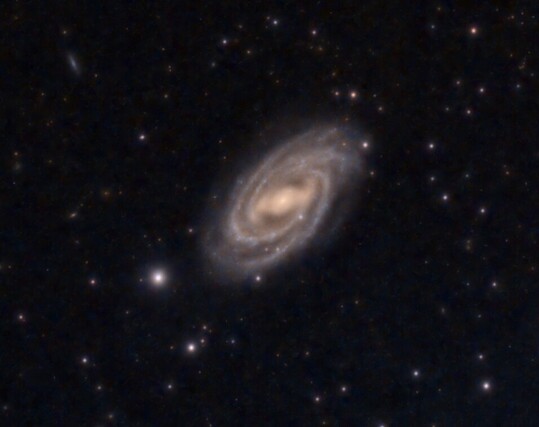
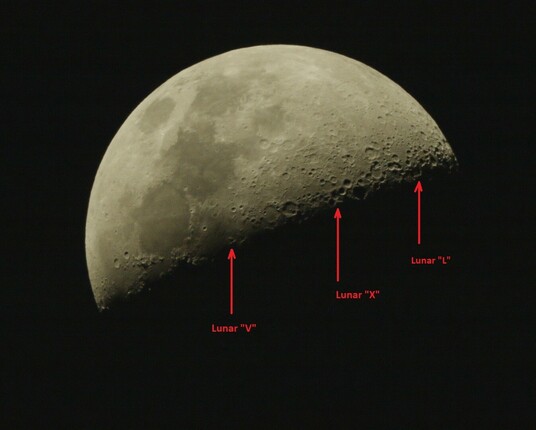
Was particularly chuffed with the M109 barred spiral galaxy result. Moon is a single (and not particularly well focused) image.

#astrophotography #astrodon #astronomy #nlskies2022

Achievements in April:

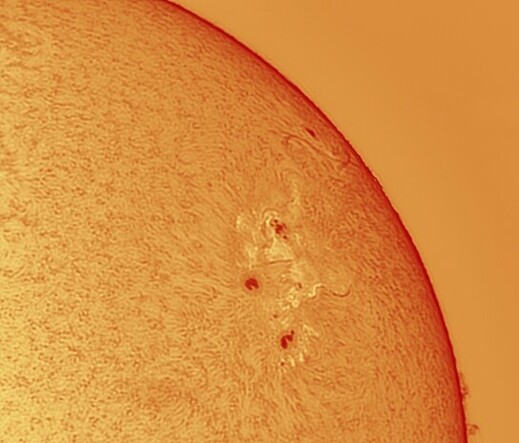
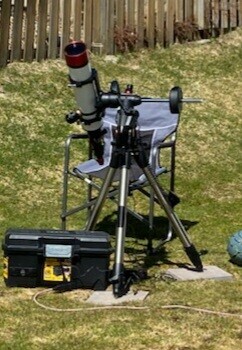
First solar image of the year.

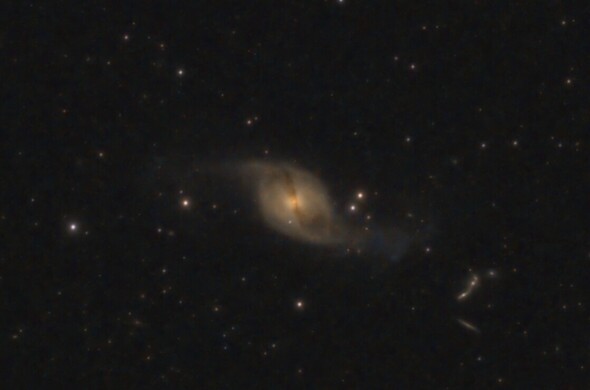
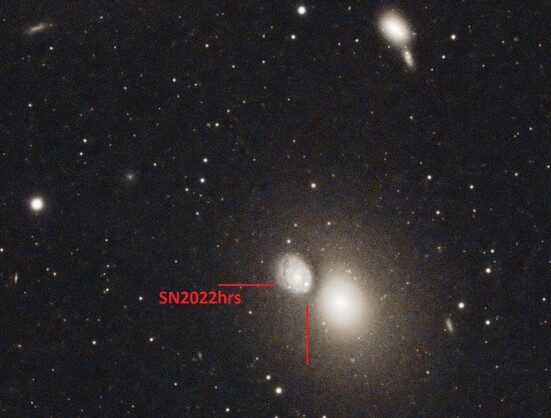
Capture of recently discovered super nova SN2022hrs (in NGC4647, next to M60).

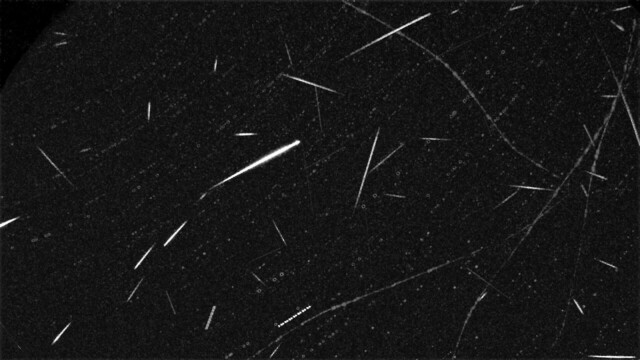
Established 2 meteor cameras as part of the Global Meteor Network project.

The GMN cameras automatically capture 'transients' and forward data to a central server for processing. More info here:
https://globalmeteornetwork.org/

#astrophotography #astrodon #astronomy #nlskies2022 #GMN

What is the GMN? - Global Meteor Network

LATEST RADIANTS AND ORBITS: GMN DATA DASHBOARD + EXPLORER + SQL & REST API: CAMERA STATUS: METEOR TRAJECTORY VIEWER: METEOR SHOWER FLUX: Explore the GMN trajectory data set: SETI Bolide visualizer Join the project by installing a GMN camera! Here is how: Obtaining a camera For schools and educators: Join the GMN outreach program Space

Global Meteor Network - No meteor unobserved

Spring *is* #GalaxySeason so took another stab at Messier 51 Whirlpool. Happy with results - for a OSC camera. Next time, would like to try with a mono cam and add some Ha.

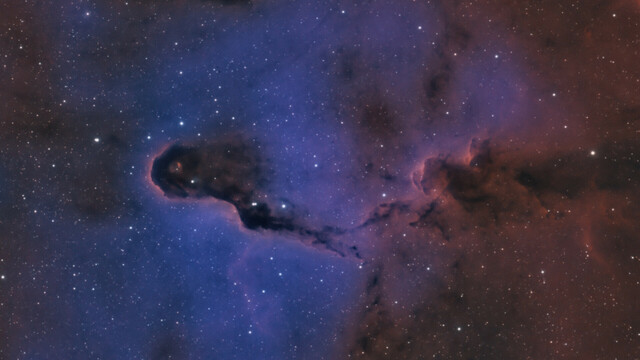
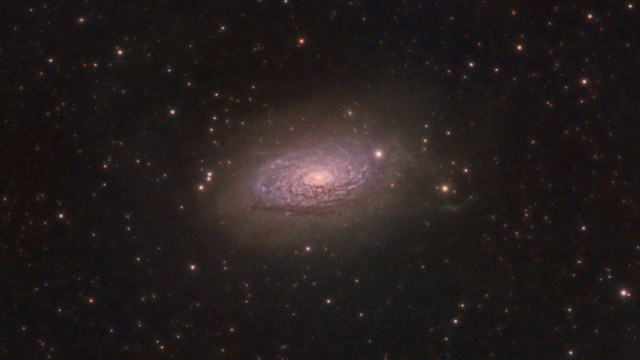
May marked the end of my "Elephant Trunk" project - this is a crop of result. Also took another stab at the Sunflower galaxy.

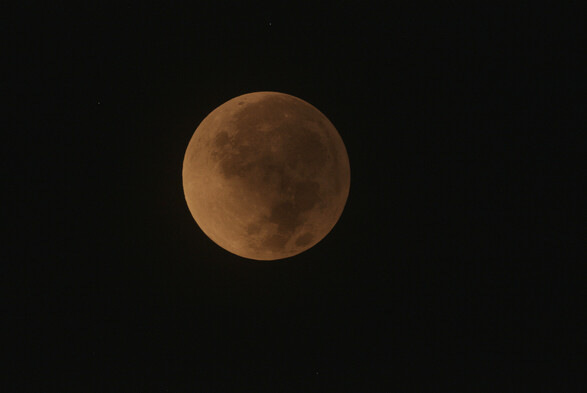
May 15/16 also marked a #LunarEclipse. Here is the moon as it nears full eclipse. This eclipse was noticeably darker than recent past eclipses.

#astrophotography #astrodon #astronomy #nlskies2022

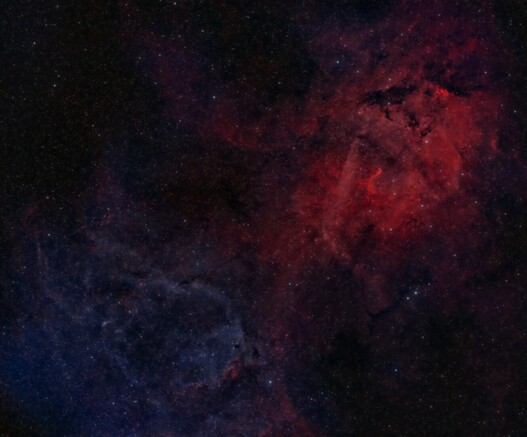
As with most targets of the back yard observatory this year, 🔭 this M101 galaxy and Lion nebula were captured using Esprit 150, QHY128C and 5 minute subs. Processed in PixInsight. Have been trying for longer multi-hour total integration times, to improve signal-to-noise characteristics.

May also marks the start of camping season. Lucky this year to have had a seasonal site at my local #DarkSkyPreserve 🔭 🌃

#astrophotography #astrodon #astronomy #nlskies2022 #TerraNovaNP #ParksCanada

Short summer nights mean limited imaging time, in my neck of the woods. Especially June/July.

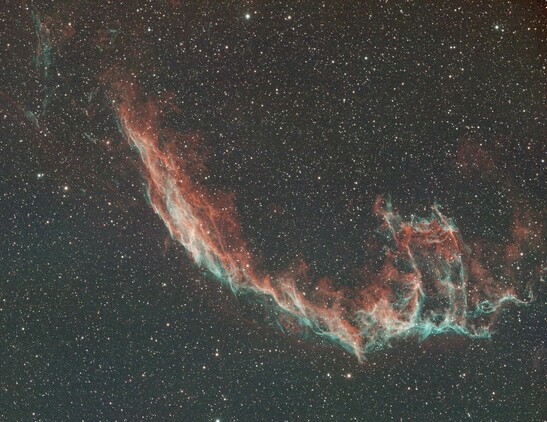
Disappointed w/ Cocoon nebula result - dual narrowband filter not a good match for this target, IMO. Happy w/ the 11x5 minutes on Eastern Veil nebula.

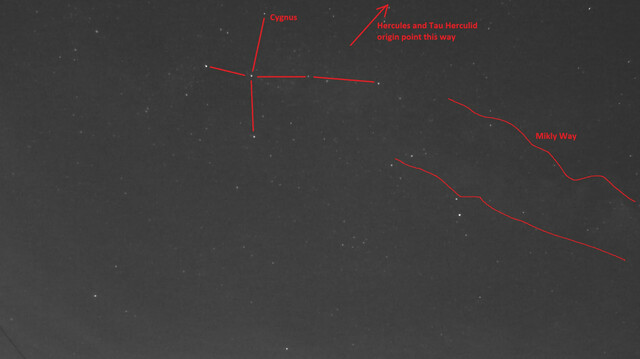
Had fun capturing meteors of "new" Tau Herculid meteor shower May 30/31, for the #GMN. Apparently I "cannot attach video to a post already containing images" so will post that in a reply shortly.

#astrophotography #astrodon #astronomy #nlskies2022

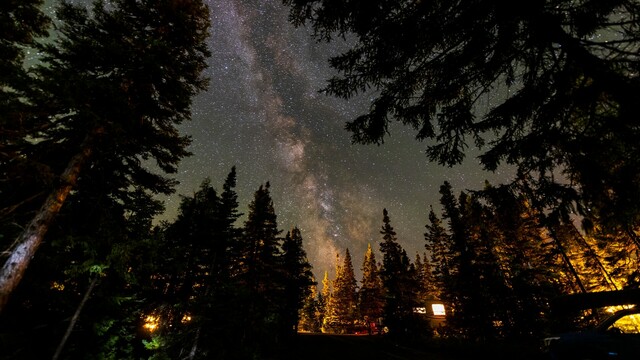
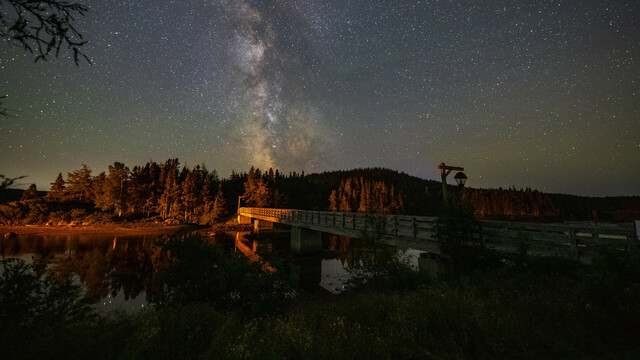
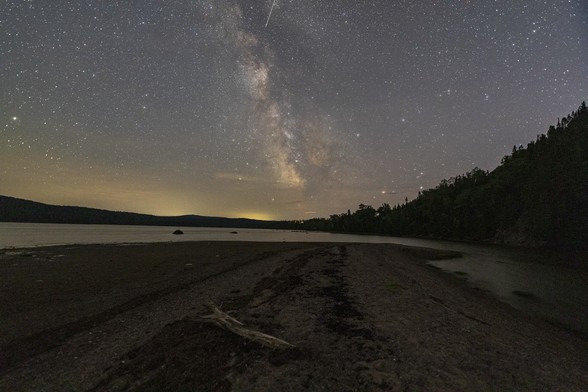
Summer is for camping ⛺ and the Milky Way 🌃 . Under darker skies when possible, so observatory 'sits on the bench' (unless I run it remotely!).

Had a good year for Milky Way shots (for me). These are single images taken with Canon 6D & 14mm lens on a tripod. Generally around 20sec exposure at 3200 or 6400iso. Processed in Lightroom.

#ParksCanada #TerraNovaNP
#astrophotography #astrodon #astronomy #nlskies2022

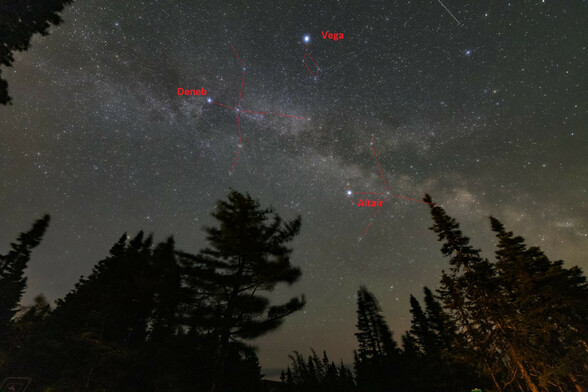
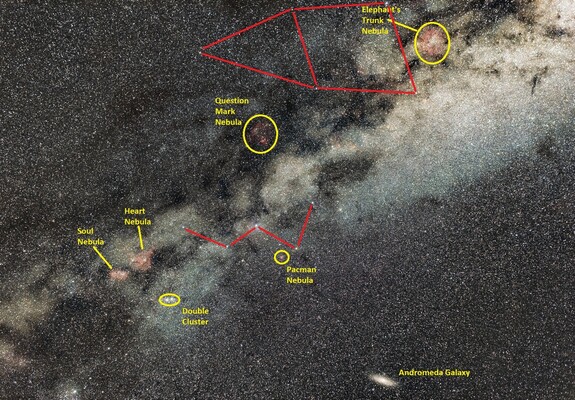
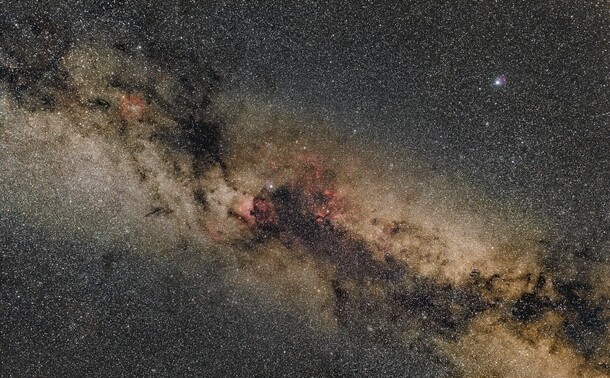
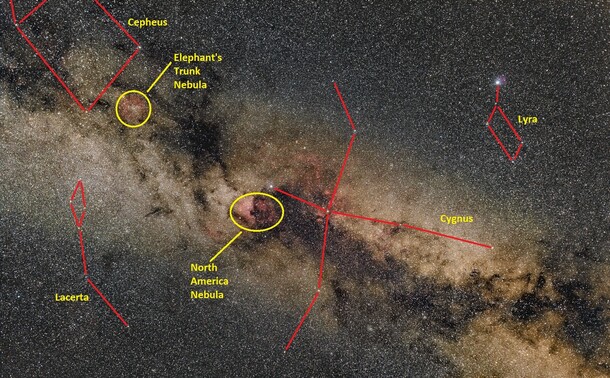
In addition to summer DSLR wide field, I also did some not-so-wide field imaging with my new-to-me 35mm lens. Still aiming for Milky Way, but at constellation-size field of view.

Camera was on a tracking mount and these are stacks of longer exposures (up to a minute) for total of up to 1 hour. Took some fiddling to sort out calibration frames and processing, but I think worth it.

#ParksCanada #TerraNovaNP
#astrophotography #astrodon #astronomy #nlskies2022

@nlskies
Fantastic image.

I take it your camera can take time exposures up to a minute or so? I'm mostly familiar with digital cameras than can only take exposures of a few seconds.

Or is this the situation where an external device can extend the exposure?

@stargazersmith For these I set the camera to "bulb" mode and used an intervalometer (cheap 3rd party version). The intervalometer helps avoid vibration and can be programmed to take continuous images (while I wait for meteors and stare aimlessly at the Milky Way - lol).

@nlskies
I think you gave me some info on that before. It's not something I'm familiar with, in part because I don't think my camera is controllable that way.

I'll do more research

@stargazersmith Not sure what camera you have but if an external intervalometer is not an option you could check for the camera's maximum exposure length (many will go up to 30 seconds) and a count-down trigger (to avoid vibration). Newer smartphones have this - sometimes behind a "Pro" camera mode like my Samsung Galaxy S20. Good luck!

@nlskies
My camera is kind of old (look who's talking) for a digital. But it does have delayed shutter, the ability to take 6 images in sequence, and can expose for up to 16 seconds. The ASA can be up to 3200.

Enough to diddle with on #AstroPhotography, but I need to consider a new model. I see that an intervelometer isn't necessarily very expensive. Now to find a basic #DSLR that has time exposure capability.

@stargazersmith Using equipment you already have is a great place to start. Will help you make better decision if you decide to upgrade. DSLR/Mirrorless cameras of recent years have really come a long way with respect to #astrophotography capability (lower noise, higher sensitivity). Enjoy the journey!