 Robert McNees
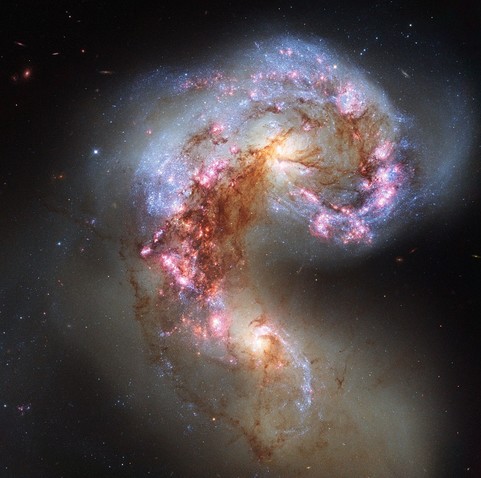
Former spiral galaxies NGC 4038 and NGC 4039 –– the Antennae Galaxies –– are a few hundred million years into a merger that will result in a single, elliptical galaxy.
ImageL: ESA/Hubble & NASA
ImageL: ESA/Hubble & NASA
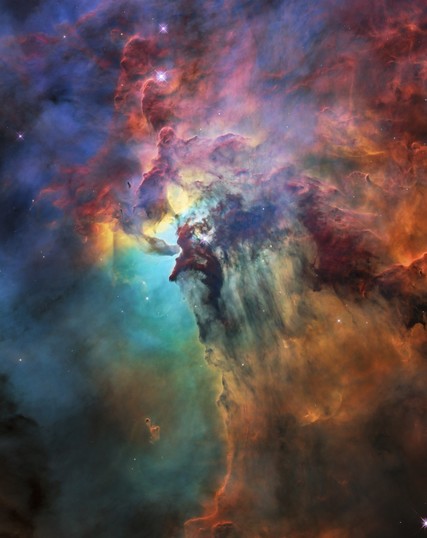
The Hubble Space Telescope captured this image of the Lagoon Nebula for its 28th anniversary in 2018. The image shows a region about 4 light years across; the entire nebula is roughly 55 light years high by 20 light years wide.
The Lagoon Nebula is a bit over 4000 light years away. The light in this image left the nebula around the same time the Middle Kingdom period in Egypt was getting underway.
Image: NASA, ESA, STScI
https://esahubble.org/images/heic1808a/
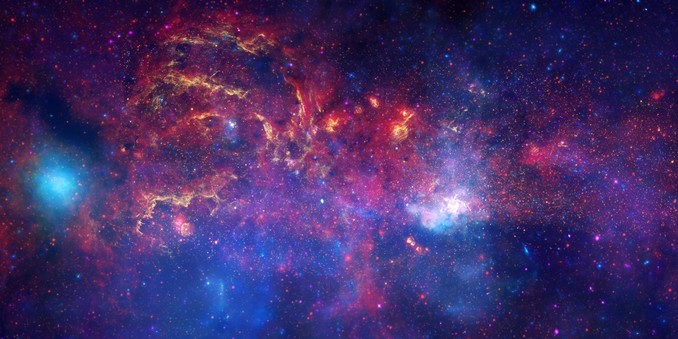
This time-lapse of Hubble images taken between 1994 and 2016 shows the shockwave from Supernova 1987a slamming into and superheating a ring of material ejected 20,000 years earlier.
Credits: NASA, ESA, R. Kirshner (HSCfA, Gordon and Betty Moore Fnd), P. Challis (HSCfA)
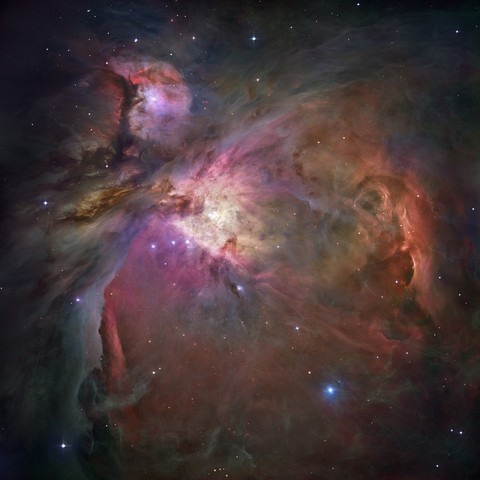
Caldwell 30 (also known as NGC 7331) is a handsome spiral galaxy about 45 million light-years away in the constellation Pegasus. It's mass and dimensions are very similar to our Milky Way.
Credit: ESA/Hubble & NASA / D. Milisavljevic (Purdue University)
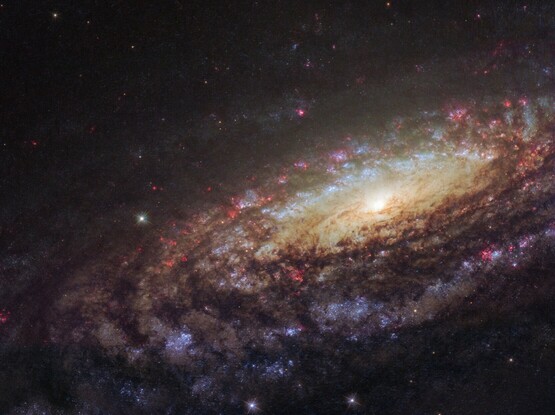
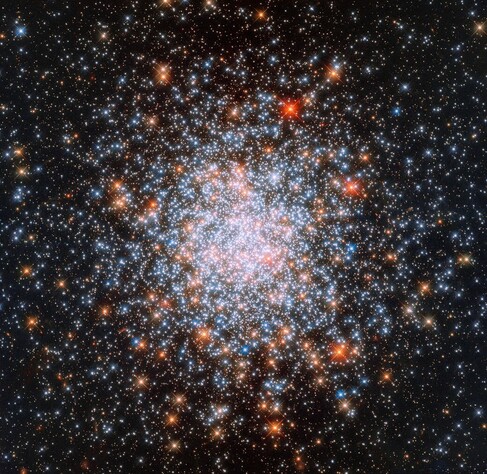
The globular cluster Terzan 4, about 26,000 light years away in the constellation Scorpius. It’s about 12 billion years old, home to around a million mostly old and metal-poor stars.
Image credit: ESA/Hubble & NASA, R. Cohen
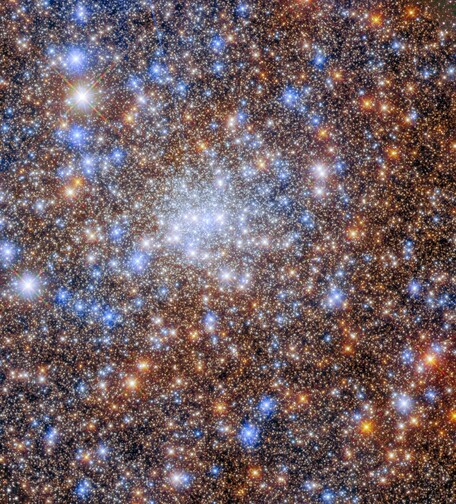
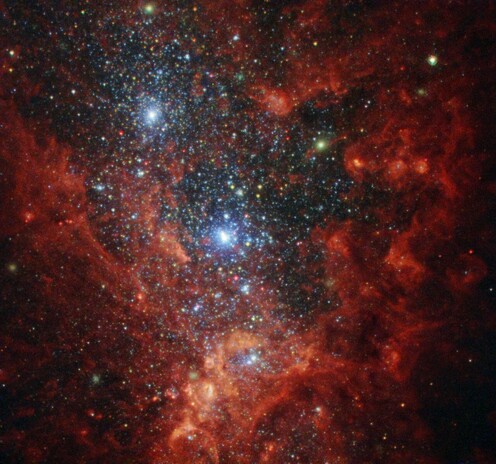
A region in NGC 1569, a little galaxy about 11 million light years away in Draco. Gas in the galaxy is compressed by gravitational interactions with the larger IC 342 galaxy group, driving rapid star formation.
Galaxies like this one are said to be in "starburst," experiencing rates of star formation more than a hundred times greater than a typical galaxy. It's a very poetic term!
Image: ESA/Hubble & NASA, Aloisi, Ford
Acknowledgement: Judy Schmidt (@spacegeck)


 femme anonyme