 Ethan J. A. Schoonover
0
MASTODON’S BREAKFAST CLUB PROBLEM in 10 posts. A Thread.
Here we go:
Mastodon’s UI has issues but it is not the real (or only) risk to adoption right now. It is, instead, what I’m calling the BREAKFAST CLUB problem.

0
MASTODON’S BREAKFAST CLUB PROBLEM in 10 posts. A Thread.
Here we go:
Mastodon’s UI has issues but it is not the real (or only) risk to adoption right now. It is, instead, what I’m calling the BREAKFAST CLUB problem.
1
Twitter users are look for a lifeboat. They go to sign up with mastodon but the federated model is confusing and the main/original servers are full.
2
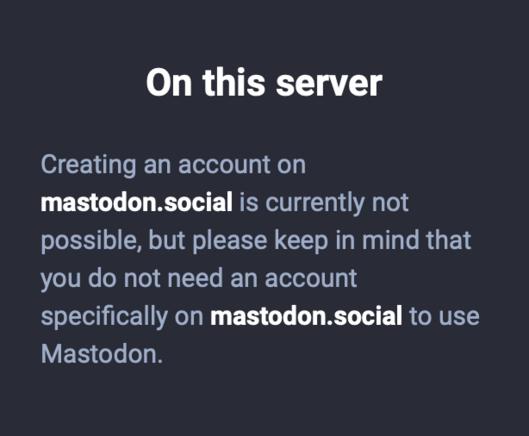
Mastodon's onboarding process literally tells users to pick a server "based on their interests". This is like being asked to pick the lunch table you will sit at for the rest of your life.

3
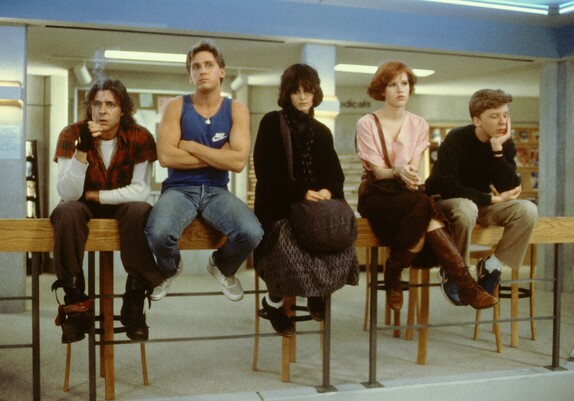
How do you choose a single table to sit at when we’re all the nerd, the jock, the princess, the basket case, and the criminal?
(don't @ me with "you can change servers" I know. The problem is that this is still the first thing you are being asked to do.)
4
Many servers are run by fairly centrist position admins. Some are little hobby farms with high restrictive policies. Both are, in theory, totally fine and compatible with the fediverse.
5
I highly recommend this recent @lawfare podcast where @qjurecic, @arozenshtein, and @klonick dig into the nitty gritty of decentralized social media, mastodon, and how this edge-case server situation could work just fine over time.
https://www.lawfareblog.com/lawfare-podcast-decentralized-social-media-and-great-twitter-exodus
It’s Election Day in the United States—so while you wait for the results to come in, why not listen to a podcast about the other biggest story obsessing the political commentariat right now? We’re talking, of course, about Elon Musk’s purchase of Twitter and the billionaire’s dramatic and erratic changes to the platform. In response to Musk’s takeover, a great number of Twitter users have made the leap to Mastodon, a decentralized platform that offers a very different vision of what social media could look like. What exactly is decentralized social media, and how does it work?
6
But users don’t know this or understand "federated." They are just being told to pick a server. So someone who does a lot of art is like “fine, I’ll reduce my personality to “artist” and choose… mastodon dot art”. Sounds reasonable, right?
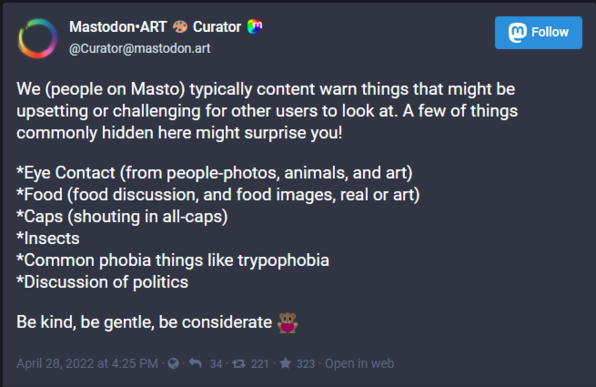
Then they hit the rules…
7
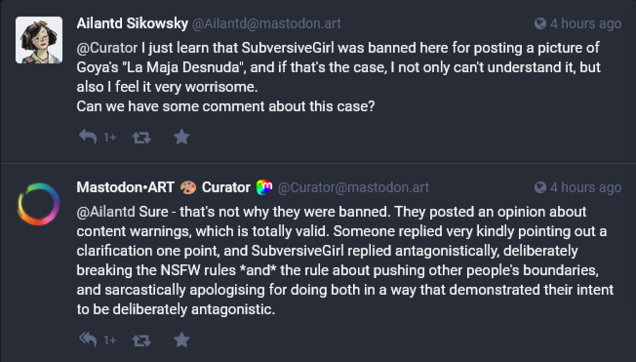
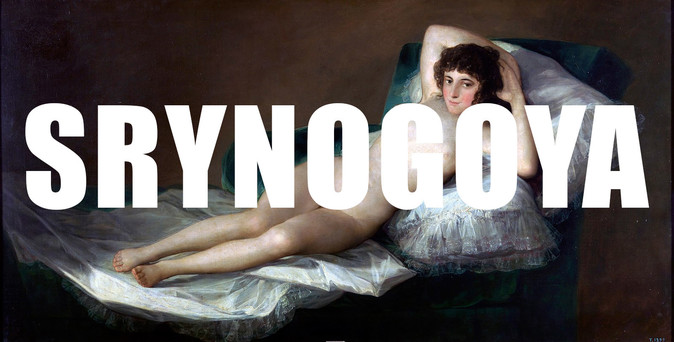
In this case a user got banned for posting… Goya’s La maja desnuda… on an art server.
Now, to be fair, the rules for that server are clear! But the problem is that the reasonble expectation is that posting goya on a server branded as “the mastodon art server” should be ok.
8
So the problem is you have these highly restrictive servers that are little fiefdoms.
Some people will be happy in them!
Many will not be!
(pictured: guy who would be very excited to run a little fiefdom less as a service and more as a power trip)

9
Again, this is all by design in the fediverse and in time this all works out.
The problem is that during this period of onboarding new users this will simply drive people away. It’s very high cognitive load for people looking to migrate from Twitter.
10
The solution?
* Mastodon needs to set up a formal governance model like Wikipedia
* Mastodon needs to change the onboarding process to promote generic instances and not subject specific petty fiefdoms (or at least subject specific servers that are relatively broad in their speech policies)
@RandomCanuck I'm not proposing central governance for instances, rules, users, or anything like that. What I think a governing body should be doing here is limited to the onboarding process of joinmastodon.com and where users are funneled. Right now it's hit or miss if users end up on a server where they understand how different it might be from what they were expecting.
The goal would be giving users a chance to get educated by transitioning to a generic instance.
 DougN
DougN  😷
😷