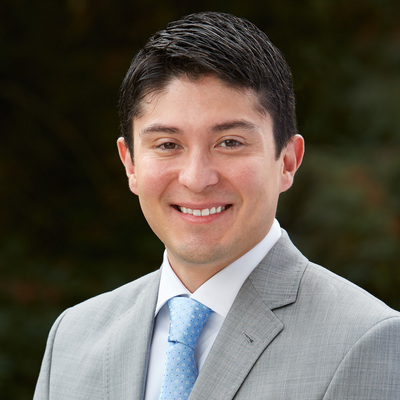
 Dr. Jorge Caballero
Folks dunking on #fedified insist that the "real" way to verify oneself on the fediverse is to buy your own domain name. So, I hereby announce that insulin is free! For details, just visit EIiLiIly.com

@laprice I think you're right, and I can see how some see the verification as a status symbol, but it's not. The events of last week at Twitter offer ample proof of the functional need for actual verification.
Moreover, we've got anti-vaxers and election deniers in nearly every G7 country to disprove the notion that community verification is infallible.
Faith in government institutions is the best (widely accepted) option we have. pre-Nov. 5th Twitter Verification is a proxy for government ID.
@DataDrivenMD Right, I think you're encountering a bit of context collapse though. Twitter verification was a bit murky and opaque and left people unverified who should have been verified under the standards you are describing. I think @danhon has it right in that self-certification ( by orgs running their own instances ) is the way to go.
CDC wants the SG to have an official account? Fire up an instance and have at it.
@laprice @danhon I *generally* agree with this approach, but I can't emphasize this enough— it's very likely that we'll end up with a 2-tiered fediverse. The money and growth will go to the version that adopts community norms & frameworks that enable capitalist pursuits— reputation management and brand integrity are cornerstones.
This will happen regardless of what you, I, or anybody else wants. It's how the world works— a painful lesson I learned while advocating for COVID safety measures.
 Accept purpose.
 Steve In Ashland