 toxicodendron radicans
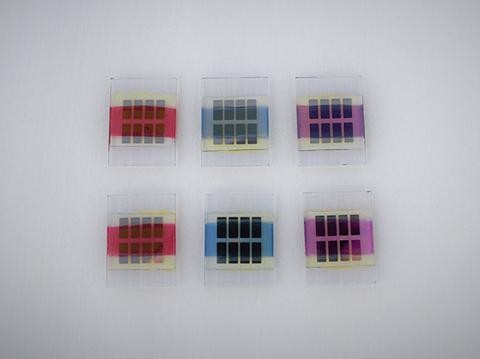
Dye-sensitised solar cells are a type of photovoltaic device which uses a colourful dye to absorb light and cause an electric current, instead of the silicon semiconductors which most regular solar cells use.
It works because chemically, colour is caused by light being absorbed by molecules, which makes their electrons jump about. Dyes used to make solar cells absorb light strongly, and completely give up those electrons, which causes an electric current to flow.
So it turns out, because red grapes are full of molecules which are very good at absorbing light, you can make a working dye-sensitised solar cell using port wine instead of one of the fancy dyes which are normally used.
And honestly, I just thought that was really cool and worth sharing! ☀️
 stampirl